Trying to choose between Coolidge Corner and Brookline Village for your next condo? You are not alone. Both village centers offer walkable streets, strong transit access, and a distinctly Brookline feel, but they live a little differently day to day. If you are deciding where your budget, commute, and lifestyle line up best, this guide will help you compare the two with more confidence. Let’s dive in.
Why this choice matters
Brookline is a compact town about four miles from downtown Boston and only about six square miles in size. The town describes itself as a mature suburban residential community with urban characteristics, and less than 6% of its land is zoned commercial. In practice, that means condo buyers often focus on village centers where shops, services, transit, and daily convenience are concentrated.
For many buyers, Coolidge Corner and Brookline Village rise to the top for exactly that reason. Each has a strong commercial core, each is transit-rich, and each offers a different version of Brookline condo living. The better fit usually comes down to how you want to move through your week.
Coolidge Corner at a glance
Coolidge Corner is Brookline’s principal commercial district. Town business materials identify it as the area with the most restaurants and retail businesses, and the 2024 commercial-area report counted 212 storefronts with a 9.43% vacancy rate.
The commercial heart of the area sits around Beacon Street and Harvard Street. Town planning materials note that it is well served by public transportation, and the area is tied to the C Line, Route 66, and Bluebikes stations. If you want a busier main-street setting with a lot happening close to home, Coolidge Corner tends to deliver that feel.
Brookline Village at a glance
Brookline Village offers a different rhythm. The town identifies it as Brookline’s largest commercial area, and the 2024 commercial-area report says it has the highest concentration of service businesses, along with 204 storefronts and a 10.78% vacancy rate.
Transit access is still a major strength. Brookline Village sits on the D Line and Route 66 corridor, and the town also lists Bluebikes stations and a kiosk there. For many buyers, the appeal is the mix of convenience, historic character, and a lower-rise village-center feel.
Transit and commuting differences
Coolidge Corner transit feel
Coolidge Corner is the natural fit if Beacon Street and the C Line match the way you travel. If your routine pulls you east-west along that corridor, living near Coolidge Corner can make everyday trips feel straightforward.
The area also benefits from Route 66 service and Bluebikes access. That gives you several ways to move around without relying on a car for every errand.
Brookline Village transit feel
Brookline Village is the more direct fit if the D Line works better for your routine. Based on the town’s transit alignments, buyers who expect to use the Longwood Medical Area regularly may find Brookline Village more naturally connected.
Like Coolidge Corner, Brookline Village also sits on Route 66 and has Bluebikes access. The difference is less about whether transit exists and more about which line makes your daily schedule easier.
Street life and daily convenience
Coolidge Corner amenities
If you picture stepping out for coffee, dinner, errands, and browsing local shops in one concentrated area, Coolidge Corner may feel more aligned with your lifestyle. Town materials describe it as Brookline’s principal commercial district, and the 2024 report says it has the strongest restaurant and retail mix.
Local destinations also add to its identity. The town connects Coolidge Corner with the Coolidge Corner Theatre, the Farmers Market, the Coolidge Corner Arts Festival, and the Coolidge Corner Library, which was built in 1955 and renovated in 2019.
Brookline Village amenities
Brookline Village tends to feel more service-oriented in its business mix. According to the town’s 2024 report, it has the highest concentration of service businesses, which can shape the area into a practical day-to-day hub.
The neighborhood also has long-standing civic and cultural anchors. Town pages highlight the Brookline Village Library, built in 1910, the Village Fair, the winter farmers market on Harvard Avenue, and Puppet Showplace Theatre.
Condo stock and building character
Coolidge Corner housing feel
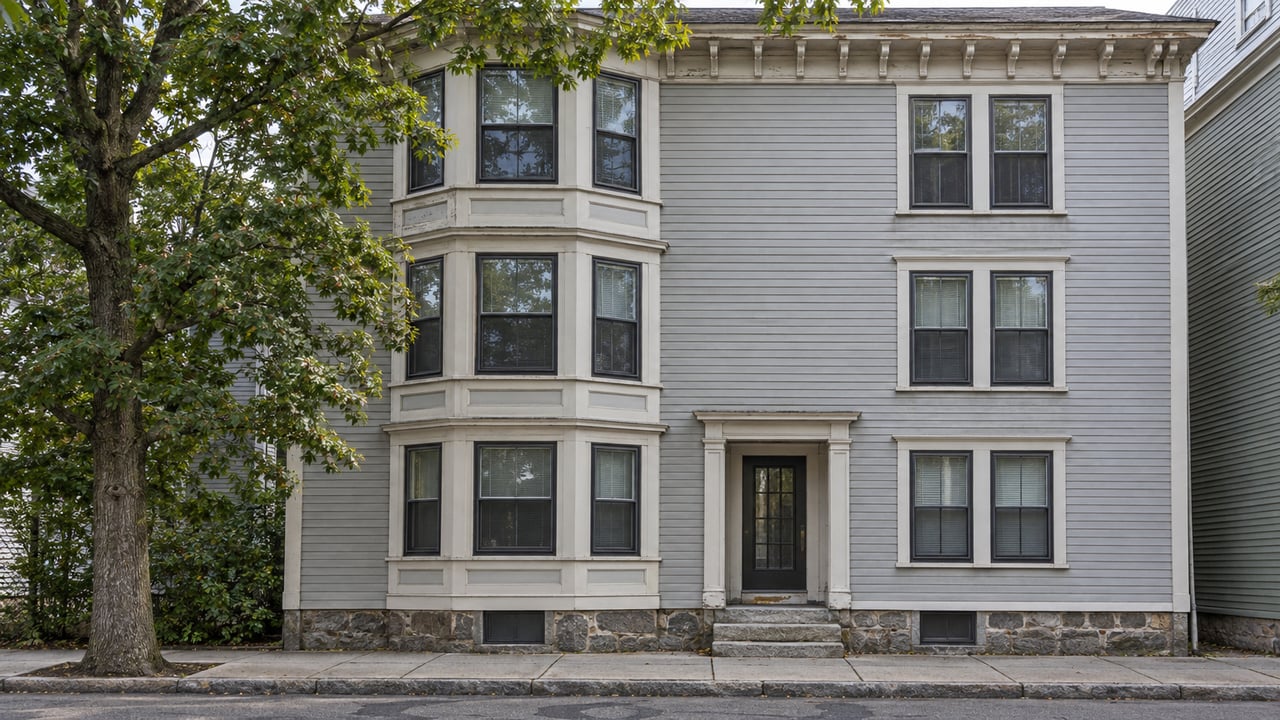
Town planning materials say many existing Coolidge Corner buildings were built between 1890 and 1930, and the district includes a number of historically significant buildings. The same materials also point to redevelopment pressure through larger mixed-use and multifamily proposals.
For condo buyers, that suggests a blend of older prewar housing stock and newer infill. If you like the idea of classic building fabric but also want to see newer projects in the mix, Coolidge Corner may offer more of that contrast.
Brookline Village housing feel
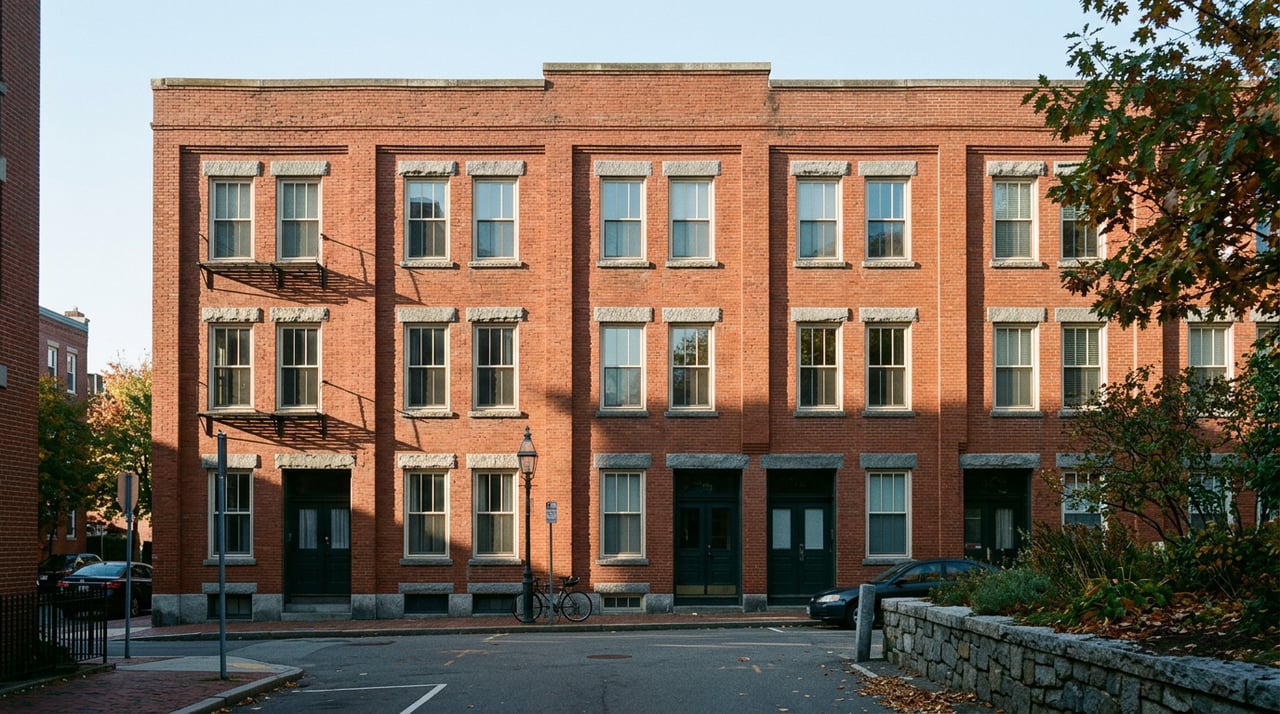
Brookline Village has deep historic roots as a town center. Historic-district materials connect residential development on Harvard Avenue to growth in the 1840s and 1850s, and a 2024 town submission describes the commercial core as a historic center with predominantly three- to four-story brick buildings and active pedestrian street life.
That points to a lower-rise village-center environment with older mixed-use blocks and nearby historic residential streets. If you are drawn to a more traditional street wall and a distinctly historic feel, Brookline Village may stand out.
Parking is worth checking early
Parking can be easy to underestimate when you fall in love with a location. In Coolidge Corner, the town’s parking study inventoried 2,852 public and private spaces in the study area, while also noting that not all spaces are publicly available at all times. Brookline Village has a similar town focus on parking inventory, occupancy, future demand, and curb use.
For condo buyers, the takeaway is simple: verify parking at the building level. Ask whether a unit includes deeded parking, garage parking, or assigned parking, and do not assume street parking will cover your needs.
Which area fits your lifestyle best?
Choose Coolidge Corner if you want
- More restaurant and retail density
- A busier commercial core
- Easy access to the C Line and Beacon Street corridor
- A classic live-near-the-main-street setup
- A mix of prewar buildings and visible infill redevelopment
Choose Brookline Village if you want
- A historic village-center setting
- A more service-oriented commercial mix
- A lower-rise brick streetscape
- Easy access to the D Line and Route 66
- A day-to-day rhythm shaped by civic and cultural anchors
What both areas share
Both Coolidge Corner and Brookline Village offer a strong condo-buyer advantage within Brookline. They are walkable by local standards, well served by transit, and part of a town that balances historic character with commercial vitality.
Both centers also show signs of ongoing public investment. Brookline’s 2024 commercial-area report notes parklets in both locations, and the town’s public-art program has added installations across each area. That supports the idea that both are being shaped as pedestrian-friendly commercial districts, not just pass-through retail zones.
Final thoughts for condo buyers
If you are choosing between Coolidge Corner and Brookline Village, the answer is usually less about which one is better and more about which one fits your routine. Coolidge Corner leans toward a busier retail and restaurant environment with strong Beacon Street energy. Brookline Village leans toward historic character, service-oriented convenience, and a lower-rise village-center atmosphere.
When you tour condos, pay close attention to transit alignment, block-by-block feel, and parking details inside each building. Those practical factors often matter just as much as square footage or finishes. If you want help comparing condo options in Brookline with a sharper eye on location, layout, and long-term fit, reach out to Boston Real Estate Pros.
FAQs
Is Coolidge Corner or Brookline Village better for Brookline condo buyers who want transit?
- Both offer strong transit access, but Coolidge Corner is tied to the C Line while Brookline Village is tied to the D Line. The better choice depends on which route fits your daily commute and errands.
Is Coolidge Corner or Brookline Village better for Brookline condo buyers who want restaurants and shopping?
- Coolidge Corner is more likely to fit if you want the strongest restaurant and retail concentration, since town materials identify it as Brookline’s principal commercial district.
Is Brookline Village a good fit for Brookline condo buyers who want historic character?
- Brookline Village may be a strong fit if you prefer a historic center with predominantly three- to four-story brick buildings and a lower-rise village feel.
Should Brookline condo buyers expect easy street parking in Coolidge Corner or Brookline Village?
- No. Town parking studies in both areas suggest buyers should verify whether a condo includes deeded, garage, or assigned parking rather than assume street parking will be simple.
What do Coolidge Corner and Brookline Village share for Brookline condo buyers?
- Both are walkable village centers with transit access, active commercial streets, and ongoing town attention to pedestrian-friendly public spaces.