Looking for a condo near Kendall Square or Central Square? You are not just choosing a unit. You are choosing a building, an association, and a fast-changing part of Cambridge where transit, redevelopment, and long-term value all play a big role. If you want to buy with more confidence, it helps to know what really matters before you make an offer. Let’s dive in.
Why Kendall and Central Stand Out
Kendall Square and Central Square form a distinct condo market within Cambridge. Kendall has grown from an industrial area into a major biotech, research, and innovation center, while Central sits between Harvard and MIT and serves as an important city and transit hub. Cambridge planning in this corridor has also focused on mixed-use growth and transit-oriented development.
For you as a buyer, that means this is an urban condo market shaped by density, jobs, and ongoing change. Cambridge is renter-heavy citywide, and condos made up 27.6% of dwelling units as of December 31, 2025. The city’s 2024 median market-rate condo sale price was $870,000, which makes smart due diligence especially important.
What Condo Choices Look Like
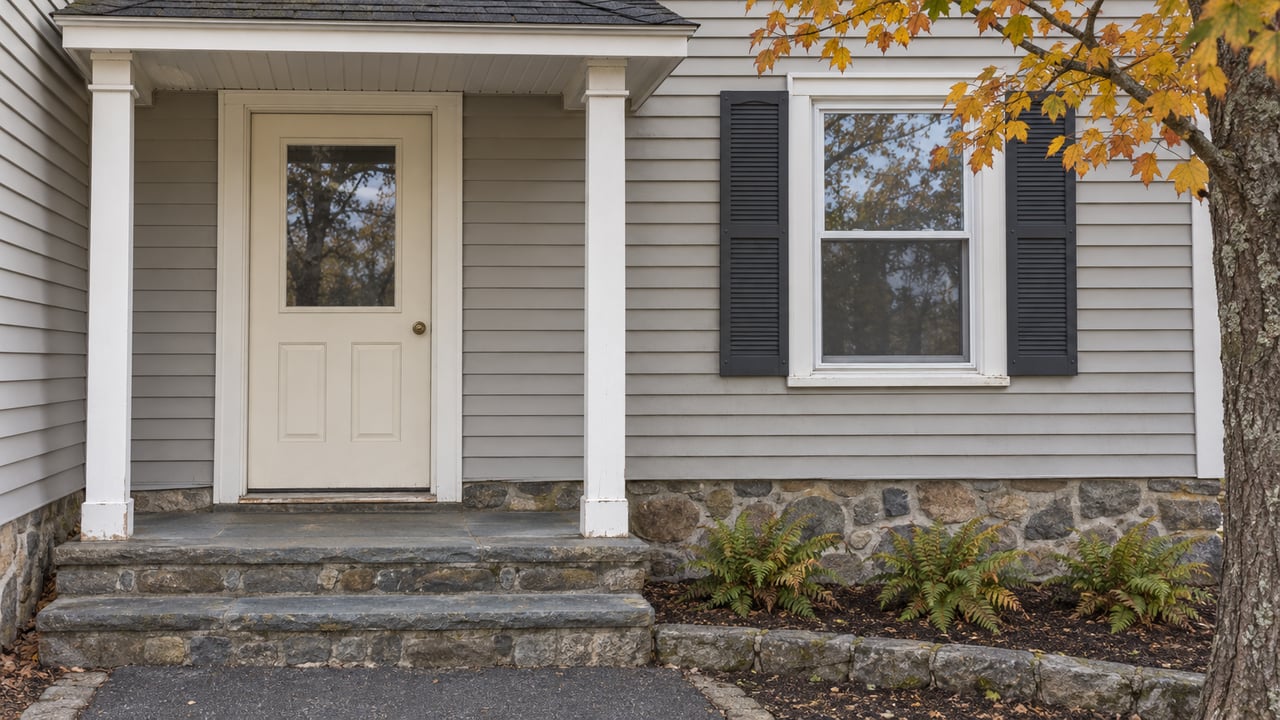
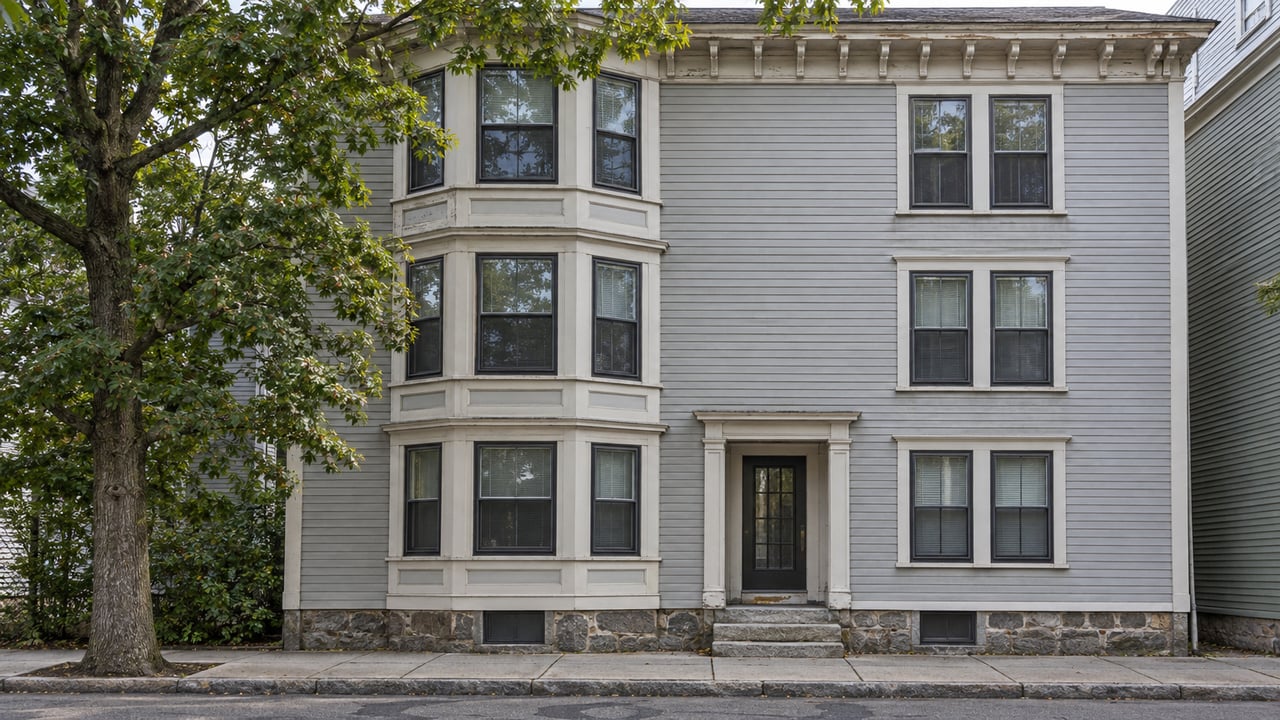
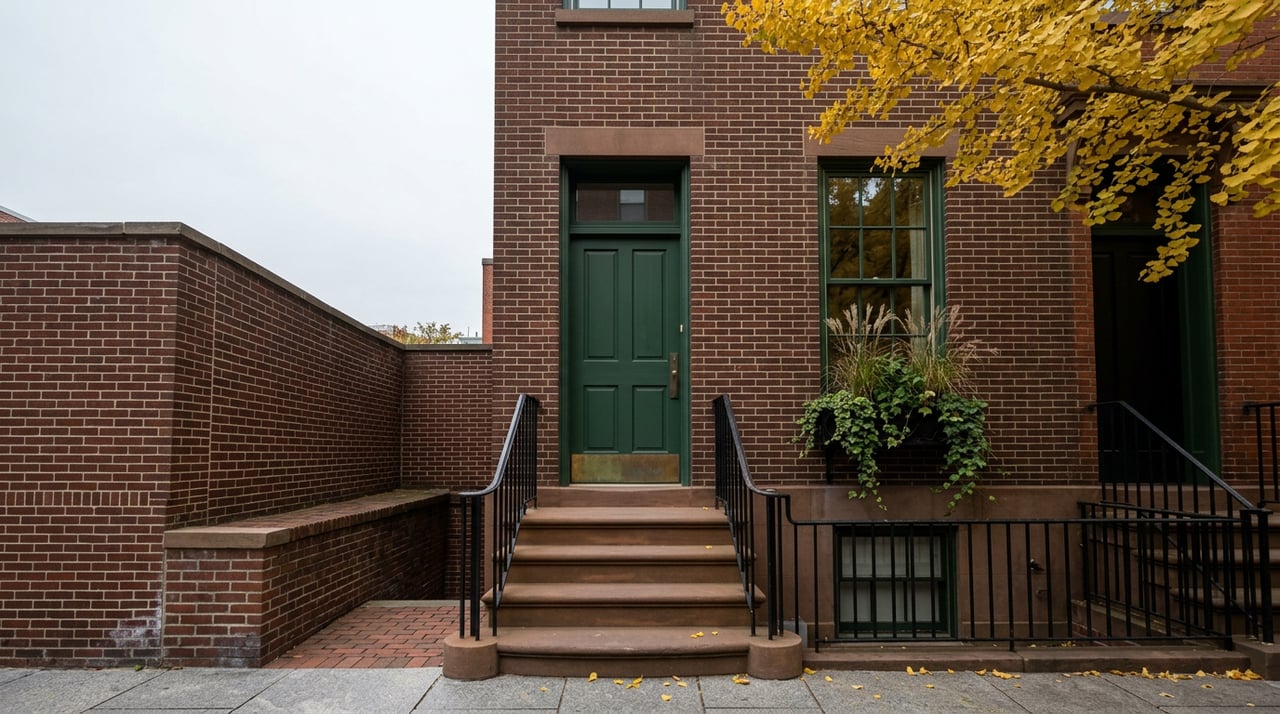
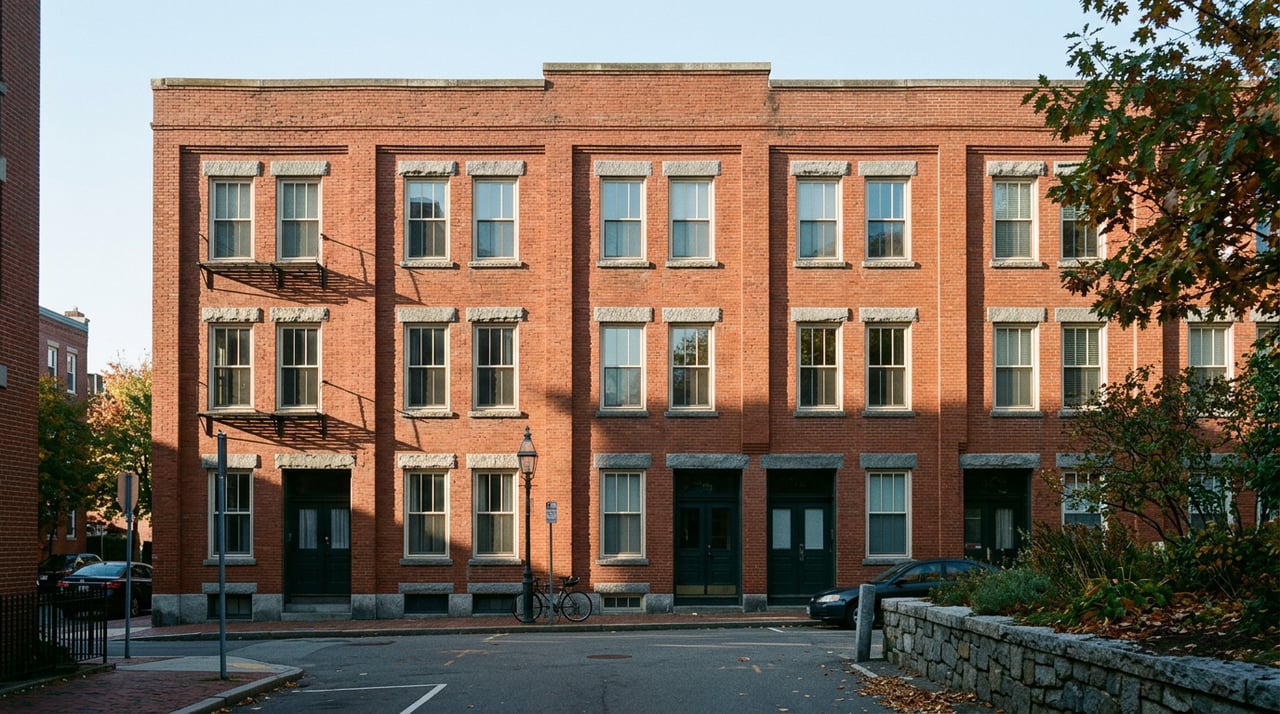
Near Kendall and Central, you will usually compare two broad categories of properties. One is newer mixed-use or larger multifamily buildings. The other is older converted housing in nearby residential areas.
That mix creates real tradeoffs. Newer buildings may offer elevators, bike storage, package handling, parking, shared outdoor space, and in some cases fitness or concierge-style services. Older conversion buildings may have fewer common amenities, but they can offer a smaller association structure and potentially lower overhead.
Compare Amenities Carefully
Amenities can look great on a listing sheet, but the details matter. A parking spot, storage area, or bike room is not equally useful in every building. You want to know exactly what comes with the unit and what does not.
Ask whether parking is deeded, assigned, rented, or waitlisted. Confirm whether storage is private, shared, or not included at all. In a high-demand Cambridge location, those details can affect both your day-to-day convenience and future resale appeal.
Why Zoning and Development Matter
Buying near Kendall and Central also means buying into an area that continues to evolve. Cambridge zoning shapes building use, scale, parking, and when special permits are required. Those rules can influence future construction, nearby activity, and the feel of the block over time.
This is especially important in a corridor with major redevelopment activity. The Volpe site transformation and broader city planning efforts show that nearby supply and construction may continue to shape the market. If you like the energy of a growing urban area, that can be a plus, but it is worth understanding what may change around your building.
Read the HOA Package Like a Buyer
In Massachusetts, condos are privately owned and privately governed through the master deed, bylaws, and Chapter 183A of the General Laws. The state does not regulate condo associations the same way it regulates a licensed industry. For you, that means the condo documents are central to your decision, not just closing paperwork.
A Massachusetts real estate attorney is a normal part of the condo closing process, and the HOA package deserves close review. The key documents usually include the master deed, bylaws, rules and regulations, budget, insurance summary, and recent meeting minutes or reserve information. These records help you understand monthly costs, governance, repair planning, and possible future risk.
Look Beyond the Monthly Fee
A low condo fee can be appealing, but it is not always a sign of value. If reserves are weak or major repairs are coming, lower monthly fees can be followed by special assessments. Under Massachusetts condo law, common-expense obligations and related liens are real and enforceable.
That is why it helps to ask when the fee was last increased and whether the association has had any special assessments in the last three to five years. You should also ask if there is a reserve study or capital plan. In many cases, the health of the association matters just as much as the condition of the unit itself.
Questions to Ask About Building Health
When you tour a condo near Kendall or Central, try to look past the finishes for a few minutes. Updated kitchens and clean staging are nice, but long-term ownership costs often come from the building systems and how the association manages them.
Focus on practical questions like these:
- What does the monthly fee cover?
- When was the fee last increased?
- Has the association had recent special assessments?
- Is there a reserve study or capital plan?
- What do recent board minutes say about upcoming work?
- What is the owner-occupancy ratio?
- Are rentals capped?
- What are the pet rules?
- What is the insurance deductible structure?
For older buildings, also ask what has been done to roofs, windows, façades, plumbing, elevators if applicable, and heating or cooling systems. In some Cambridge buildings, those items will matter more over time than interior cosmetics.
EV Charging Is Worth Asking About
If you own an electric vehicle or think you might in the future, ask about charging early. Massachusetts law addresses electric-vehicle supply equipment in certain unit-owner or exclusive-use areas and limits unreasonable restrictions, subject to conditions. That does not mean every installation is simple or automatic, but it does mean the topic deserves a direct conversation.
Ask whether EV charging is already installed, where it is allowed, whether board approval is needed, and who pays for installation or upgrades. In a dense, parking-constrained location, this can become an important quality-of-life feature.
Newer Buildings vs Older Conversions
One of the biggest decisions in this corridor is whether you prefer a newer building or an older conversion. Each can work well, but they often serve different priorities.
| Building type | Potential advantages | Key questions |
|---|---|---|
| Newer mixed-use or larger building | More amenities, elevator access, package systems, bike space, sometimes stronger convenience factors | How strong are reserves, who controls the association, what is included with the unit? |
| Older conversion building | Smaller association, fewer shared spaces, potentially lower overhead | What major systems have been updated, how is soundproofing, are reserves adequate? |
Newer buildings can offer a smoother daily experience, especially if you value services and shared amenities. Older conversions may feel more intimate and straightforward, but they can come with less obvious maintenance needs. The right fit depends on how you want to live and what risks you are comfortable evaluating.
Pay Attention to Association Control
In newer buildings, it is smart to ask whether the developer still controls the association or whether unit owners have taken over. That transition can affect budgeting, reserve planning, and how decisions get made. It can also shape how quickly owners can address building priorities.
Massachusetts law also allows condo boards to hold meetings and vote electronically. In buildings with busy owners or hybrid work schedules, that can support participation and smoother governance. While it may sound minor, the way a board functions often shows up later in maintenance, communication, and planning.
What Helps Resale in This Area
Kendall and Central benefit from strong fundamentals. The corridor offers major job density, Red Line access, extensive bus service, and EZRide connections linking Kendall Square, Lechmere, North Station, Central Square, and Community College, including expanded midday and weekend service. Those factors support long-term buyer interest.
Still, not every condo performs the same way on resale. The strongest candidates often combine location convenience with a well-run building, clear amenity rights, durable reserves, and a history of maintenance that does not rely on repeated special assessments. If two units feel similar, the better-run building often wins over time.
A Smart Buying Approach
If you are shopping near Kendall and Central, keep your search focused on both the unit and the building. It is easy to fall for layout, light, or finishes. It is smarter to pair that excitement with careful review of the association documents, building systems, and ownership structure.
This part of Cambridge offers real advantages, but it rewards prepared buyers. With the right questions and a clear process, you can choose a condo that fits your lifestyle now and supports your goals later.
If you want experienced guidance on evaluating Cambridge condos, building documents, and the tradeoffs between newer projects and older conversions, connect with Boston Real Estate Pros.
FAQs
What makes condos near Kendall and Central different from other Cambridge options?
- This corridor is shaped by major job centers, transit access, mixed-use growth, and ongoing redevelopment, so buyers often need to weigh building quality, HOA structure, and future neighborhood change more closely.
What condo documents should you review before buying in Cambridge?
- You should review the master deed, bylaws, rules and regulations, budget, insurance summary, and recent meeting minutes or reserve information with your attorney.
What should you ask about HOA fees in a Cambridge condo building?
- Ask what the fee covers, when it was last increased, whether there have been special assessments, and whether the association has a reserve study or capital plan.
What should you confirm about parking and storage in Kendall or Central?
- Confirm whether parking and storage are deeded, assigned, rented, shared, waitlisted, or excluded, because those details can affect value and daily convenience.
Why does resale potential matter when buying a condo near Kendall and Central?
- Resale can be influenced by location, transit access, building reserves, maintenance history, amenity rights, owner-occupancy ratio, rental rules, and how well the association is run.