A buyer under agreement on a Waltham Street brownstone this summer assumed the closing date was the finish line. It was the starting gun. The front-facing windows they planned to swap for something more energy-efficient needed sign-off from a commission that meets once a month and reviews the building as a single unit even when only one owner in a multi-unit condo wants the work done under the South End Landmark District standards.
That is the piece of the South End market that does not show up in a listing sheet or a home-inspection report. The price of a brownstone is public. The timeline to change anything about its exterior is not, and it is the variable that actually separates a smooth first year of ownership from a stalled one.
Your condo neighbors are part of your renovation plan
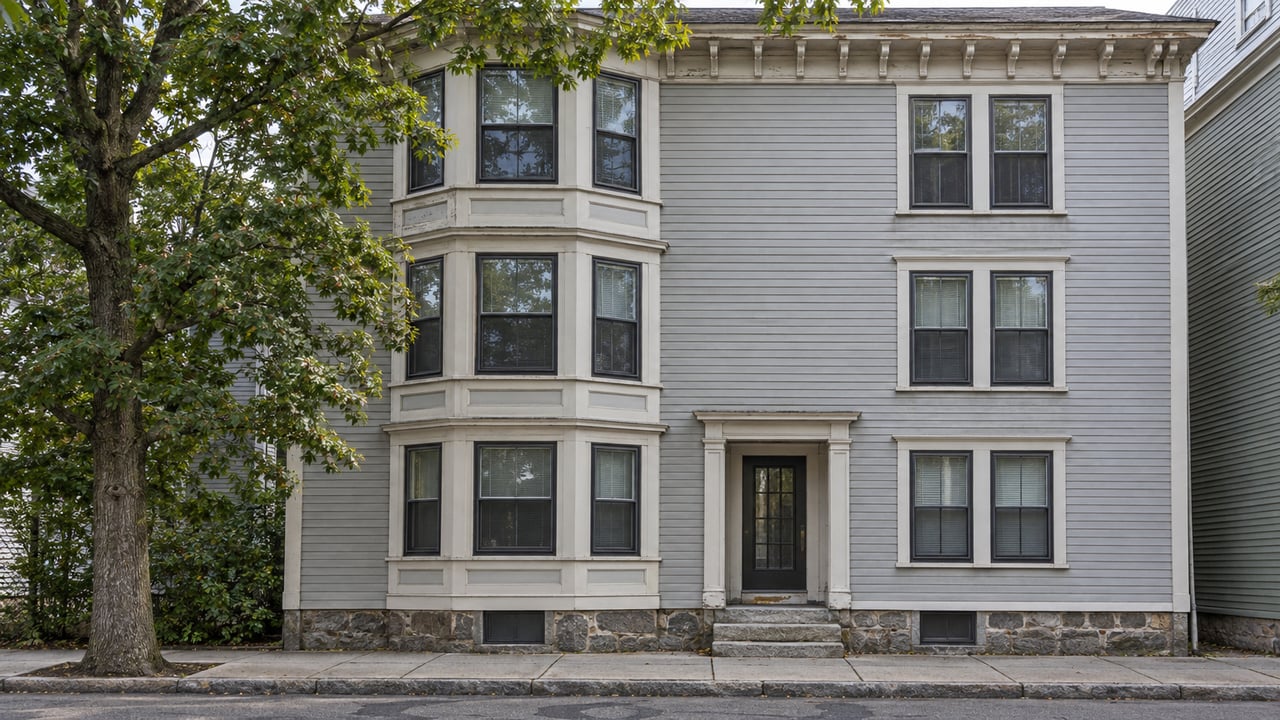
The South End Landmark District Commission, known locally as SELDC, treats a multi-unit building as one applicant. If you own the parlor-floor unit and want to replace your windows, but other owners share the building, the standards call for the entire building to be considered and treated uniformly, even when the work proceeds in stages. That single rule reshapes what "I bought a condo, I can renovate my unit" actually means in this district. It means a conversation with your condo trustees before it means a conversation with a contractor.
The Boston.gov docket for the South End Landmark District Commission from this summer makes the pattern visible. A filing at 85 Waltham Street proposed replacing a front-facing vinyl window with white metal trim for a Pella Reserve wood and aluminum-clad double-hung window, plus six additional non-historic casement windows swapped for Pella Lifestyle wood and aluminum-clad units with a black powder-coated finish. The same docket carried a filing at 91 Waltham Street to replace one non-historically accurate window with a wood and aluminum-clad double-hung version. Neither is a cosmetic swap you schedule for a weekend. Both are formal Design Approval Applications.
Why renovations here involve more than design review
The ground the South End sits on raises another renovation concern, beyond its Victorian streetscape. The neighborhood was built on filled marshland in the mid-1800s, and its rowhouses rest on wooden pilings driven into that fill. Those pilings stay sound only as long as they remain submerged in groundwater. The Boston Groundwater Trust, which has monitored water levels across the South End, Back Bay, and several other filled neighborhoods for four decades, exists because dropping water tables have exposed and rotted pilings under real buildings.
That history is why the city layered a second, separate review on top of the Landmark Commission's design review. Article 32 of the zoning code creates a Groundwater Conservation Overlay District. A rear addition, a new roof deck footprint, or a gut renovation can trigger this review even when the exterior looks unchanged from the street.
The paint color is not yours to choose
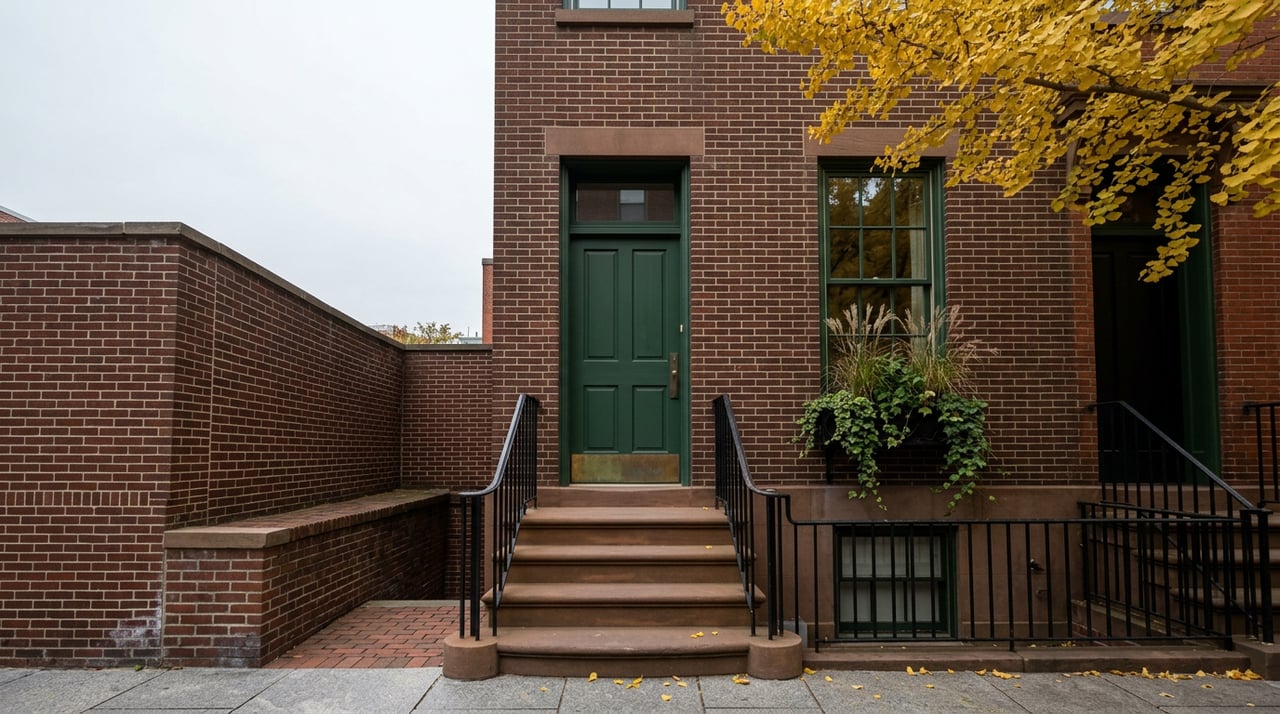
Masonry work tells the same story from a different angle. A filing at 79 West Brookline Street and 328-330 Shawmut Avenue asked to repaint stone window sills and lintels to the approved brownstone color and paint the stone entrance surround to match. Another, at 190 West Canton Street, was an emergency repair after falling bricks and water leaks, calling for repointing with a specific soft mortar mix, brick replacement to match the original profile, and brownstone sills restored using a product called Mimic in brownstone coloring, finished with Benjamin Moore HC69. These are not suggestions. The district's standards call for repair-in-kind as the default position, with sandblasting prohibited outright and any masonry cleaning method submitted for review before work starts.
If you are buying with plans to freshen up a stoop or repoint a facade, the color chip and the mortar mix are effectively pre-selected by four decades of commission precedent, not by you.
What this actually costs in time
SELDC holds its public hearing on the first Tuesday of each month. According to Boston.gov's South End Landmark District page, a complete application has to be on file at least 15 business days before that hearing date to make the agenda, and an incomplete one gets bumped to the next cycle. Miss that window by a few days and the wait is not a week, it is a month.
Layer in the reality that some projects need more than SELDC. A roof deck and rear terrace facing a public street may also require a variance from the city's Zoning Board of Appeal, a separate hearing process on its own calendar. None of these run in parallel by default. Each is its own line item in a project schedule that a buyer rarely sees until they are already the one filing.
Here is how the paths typically stack up, based on the commission's own filings and standards:
| Type of exterior work | Review required | Realistic added timeline |
|---|---|---|
| Like-kind window replacement (wood or approved clad) | SELDC Design Approval, monthly hearing | 4 to 8 weeks from complete application |
| Roof deck or rear terrace addition | SELDC review, often plus Zoning Board of Appeal variance | Several months across two hearing calendars |
| Masonry repair, repointing, brownstone color match | SELDC review with approved materials and methods | 4 to 8 weeks, longer if emergency repair triggers additional documentation |
What the sale price doesn't include
The South End's own sales data hints at this friction without naming it directly. Over the three months ending May 2026, the median sale price in the South End ran near $1.3 million, up slightly year over year, while the median price per square foot climbed about 9 percent over the same period. Homes that sold moved quickly, averaging roughly three weeks on market. But a separate market report tracking currently available South End condos as of mid-August 2026 put average days on market for active listings at 91, a much longer figure than what closed sales show.
That gap between a fast-selling closed sale and a slow-moving active listing is not a contradiction. It is two different populations of property. Turnkey units with already-approved windows, already-repointed facades, and no pending exterior work sell in weeks. Units still carrying a renovation wish list, or sitting in a building where the condo association has not yet agreed on an exterior plan, sit longer while buyers weigh a timeline they cannot fully see until they are inside the process. One market snapshot even noted that well-priced, renovated properties on corridors like Concord Square routinely go under agreement in under two weeks, while the broader neighborhood absorbed a meaningful jump in available inventory over the same year, giving buyers more room to be selective about which of those two categories they are willing to buy into.
A few questions worth asking before you write an offer
Does painting my brownstone trim require commission approval? Painting of wood trim is exempt from SELDC review under the district's standards, but changes to masonry color, including repainting stone or brownstone surfaces, are not automatically exempt and typically require review.
If I only own one unit in a converted brownstone, do I still need the whole building's buy-in? Generally yes. The commission's standards direct that changes to a condominium or other multi-owner building be considered and treated uniformly, even if the physical work happens in phases.
Is there a way to speed up a SELDC hearing? The main lever is submitting a complete application at least 15 business days ahead of the first-Tuesday hearing. Staff cannot add an incomplete application to that month's agenda, which pushes the whole timeline to the following cycle.
None of this makes a South End brownstone a bad purchase. It makes the renovation calendar part of the deal you are actually agreeing to, right alongside the price and the condo fee. Buyers who ask about pending SELDC applications, existing condo trustee agreements on exterior work, and whether a planned project crosses the Article 32 threshold walk into closing with a realistic runway instead of a guess.
If you are weighing a South End brownstone or condo conversion and want a clear read on what a specific building's renovation path looks like before you make an offer, Debbie Adamidis at Boston Real Estate Pros has spent two decades working through exactly this kind of approval process with South End buyers, sellers, and developers. Schedule a consultation to talk through your specific address and what it will actually take to get your project approved.
This article is general information, not legal, tax or financial advice. Consult a qualified professional about your situation.