If you have been watching Boston multifamily prices climb and wondering where real opportunity still exists, Fort Hill probably keeps coming up. This pocket of Roxbury offers classic small multifamily housing, strong rent support, and a location tied to major transit and public investment. If you are trying to decide whether Fort Hill deserves a closer look, this guide will help you weigh the upside, the tradeoffs, and who this market fits best. Let’s dive in.
Why Fort Hill stands out
Fort Hill, also known locally as Highland Park or Roxbury Highlands, is not a brand-new luxury submarket. It is a historic area of roughly 170 acres with older housing stock, steep terrain, and a built environment shaped long before today’s larger apartment projects were common. According to the City of Boston’s Highland Park Architectural Conservation District page, that historic character now comes with review requirements for certain exterior changes, demolitions, major alterations, landscape changes, and new construction.
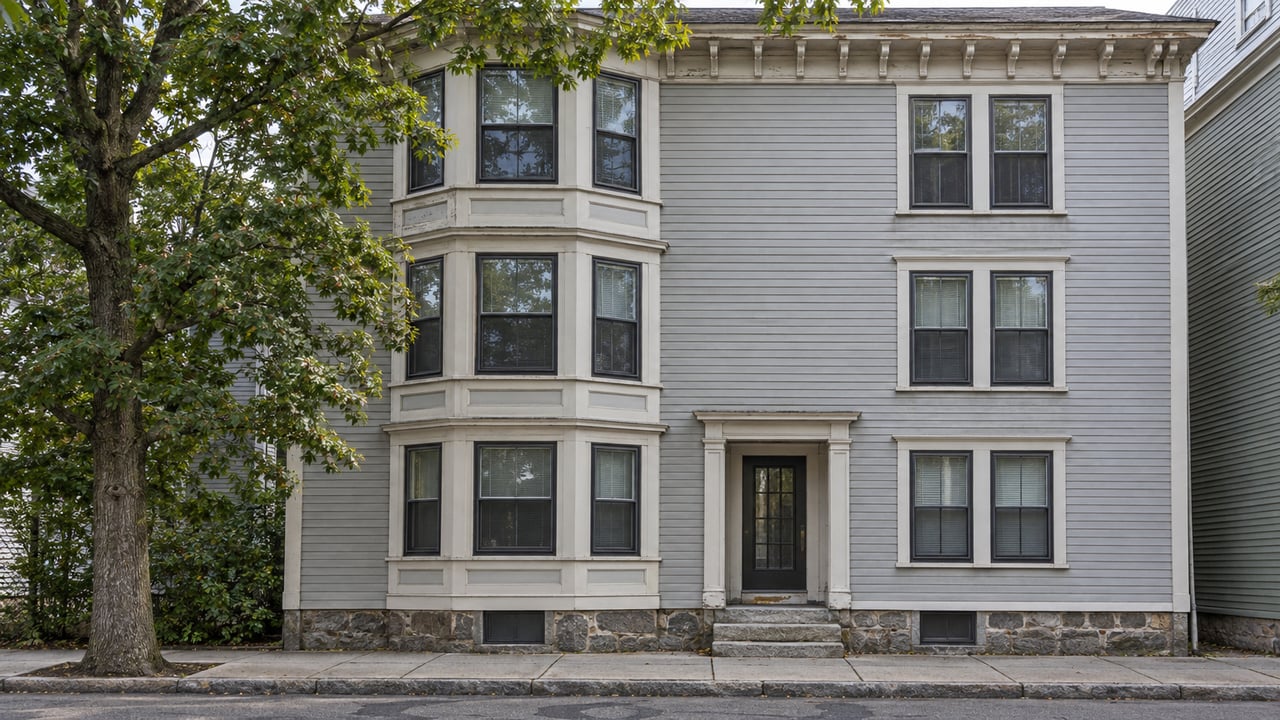
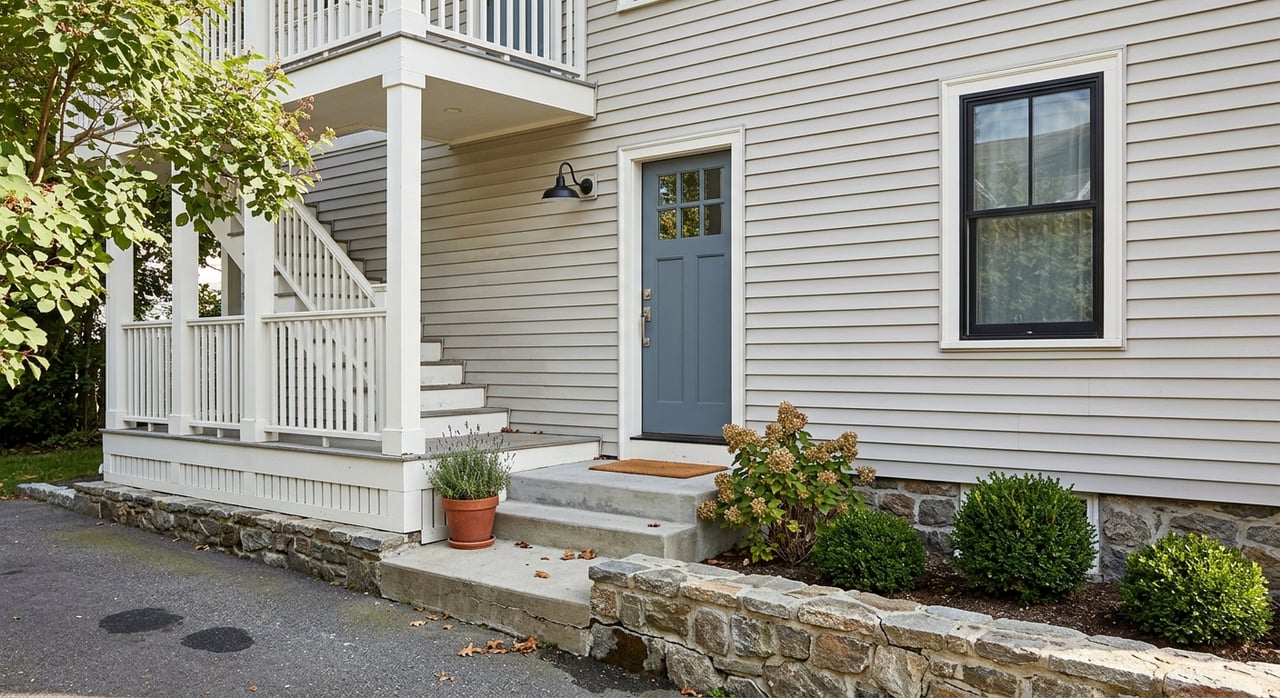
That matters because Fort Hill’s appeal is very specific. You are not looking at a neighborhood defined by big institutional apartment towers. You are looking at a place where classic Boston small multifamily properties, including triple-deckers, are part of the local housing fabric, as shown in the Highland Park district study report.
What makes it a multifamily market
For many buyers, the real draw is the type of housing available. Current 02119 inventory includes 2-family, 3-family, and even some larger small-scale multifamily options, along with condos and townhouses, based on the current 02119 multifamily listings snapshot. That gives owner-occupants and small investors more relevant options than they may find in condo-heavy or ultra-luxury pockets of Boston.
The pricing also supports the idea that this is a true income-property conversation. Redfin shows 17 multifamily homes for sale in 02119 with a median listing price of $1.13 million and a median time on market of 62 days, while 17 condos in the same ZIP code show a much lower median listing price of $569,000 on the 02119 condo market page. In other words, buyers are already valuing these buildings differently because of their income potential.
Price entry looks more approachable
Fort Hill is not cheap, but it still looks more accessible than several nearby Boston ZIP codes. On Zillow’s February 28, 2026 market snapshot, 02119 had a typical home value of $632,837, compared with $1.31 million in 02116, $953,000 in 02118, $853,000 in 02127, and $788,000 in 02130.
That relative pricing is one reason Fort Hill gets attention from buyers looking for a lower-cost entry point into Boston real estate. You are not paying premium Back Bay or South End pricing, but you are still buying into a close-in Boston neighborhood with solid rental support. For investors and house-hackers, that spread matters.
Rent support remains important
Lower price entry only matters if the rental side of the equation holds up. Here, Fort Hill has a compelling story. Zillow’s same 02119 snapshot shows an average rent of $3,846, which sits above 02116 and 02130, slightly above 02127, and below 02118.
That does not automatically make every deal a home run. Still, it suggests that rent levels have remained supportive even while home values have been relatively flat year over year at -0.1%. For buyers underwriting a small multifamily purchase, that combination can be more attractive than chasing a market where prices have already run much further ahead.
There is also a broader trend worth noting. The 2025 Greater Boston Housing Report Card core metrics show Boston-metro home values rising faster than rents since 2015, though the home-value line flattened in 2025. The same report’s rent data shows 02119 rents moving from $2,756 in 2022 to $3,207 in 2025, which supports the view that the market has continued absorbing rent growth.
Who Fort Hill fits best
Not every buyer wants the same thing, and Fort Hill is a better match for some strategies than others. Based on Roxbury housing data from the Boston Planning & Development Agency neighborhood profile, the area is 78.3% renter-occupied and 21.7% owner-occupied, with a housing mix that leans toward 2-bedroom and 3-bedroom units.
That profile tends to support two main buyer groups:
- Owner-occupants who want to live in one unit and rent the others
- Small investors looking for practical layouts with broad rental appeal
This is especially true for buyers who understand older Boston buildings and are comfortable with ongoing maintenance, systems upgrades, and the realities of legacy housing stock. If you want a polished new-construction product with minimal exterior constraints, Fort Hill may feel like a mismatch.
Historic rules are part of the deal
This is one of the biggest reasons Fort Hill is promising, but not simple. Because the area includes the Highland Park Architectural Conservation District, exterior flexibility may be more limited than in other neighborhoods. The city notes that certain demolitions, major exterior alterations, major landscape changes, and new construction can require review through the district process.
For a multifamily buyer, that means due diligence matters. Before you assume you can expand a building footprint, rework a facade, or make major exterior changes, you need to understand what approvals may be required. This does not make projects impossible, but it does mean your renovation strategy needs to fit the district rather than fight it.
Walkability and transit help demand
A small multifamily market often depends on everyday usability. In Fort Hill, that includes walkability and transit access. Redfin classifies 02119 as fairly walkable, with a Walk Score of 83, which is meaningful for tenants and owner-occupants who want flexibility without relying entirely on a car.
Transit infrastructure is another key watch item. The city’s Roxbury transportation corridors project covers Malcolm X Boulevard, Warren Street, and Melnea Cass Boulevard and is designed to prioritize public transit and non-vehicular travel, with concept designs due by the end of 2026. Columbus Avenue also already includes center-running bus lanes from Jackson Square to Walnut Avenue, with additional work continuing toward Ruggles Station.
The MBTA is also investing in nearby transit nodes. The MBTA awarded contracts page lists an $80 million Ruggles Station Improvements Phase 2 contract and a $25.3 million Jackson Square Station Accessibility Improvements contract. For buyers focused on long-term multifamily demand, these are the kinds of infrastructure signals worth watching.
Public investment adds momentum
Fort Hill also benefits from being part of a neighborhood that is seeing ongoing public and private attention. On the city’s Roxbury neighborhood page, Boston describes the area as being in the midst of a renaissance, with new businesses and housing initiatives renewing major districts such as Dudley Square, Crosstown, and Grove Hall.
That language does not guarantee appreciation. What it does suggest is that Fort Hill sits within a broader area where city planning, transportation work, and housing efforts are active. For buyers trying to identify neighborhoods with momentum, that matters.
There is also nearby development activity to monitor. The Boston Planning Department advanced Drexel Village at 175 Ruggles Street, a project that includes 217 units, 190 income-restricted units, retail, bike parking, and public open space. Projects like this can support neighborhood activity and housing supply, even if they also bring short-term construction and parking friction.
The case for Fort Hill
So, is Fort Hill Boston’s next multifamily hot spot? The evidence suggests it has many of the ingredients buyers usually look for before a submarket becomes more competitive.
Those ingredients include:
- Older small multifamily housing stock
- Lower typical home values than several nearby Boston ZIP codes
- Strong rent support
- A renter-heavy local housing profile
- Good walkability
- Ongoing transit and public infrastructure investment
That is a strong setup for owner-occupants who want to offset costs with rental income, and for smaller investors who prefer practical buildings over larger institutional assets. Fort Hill does not feel like a fully priced premium submarket yet, which is part of the appeal.
The tradeoffs to keep in mind
At the same time, this is not a friction-free opportunity. Historic-district oversight can affect project timelines and renovation plans. Older housing stock can bring higher maintenance and capital needs. Tight lots, steep terrain, and parking limitations can also shape how you evaluate a property.
That means Fort Hill may be less ideal if you are looking for:
- New-construction luxury inventory
- Easy exterior redevelopment flexibility
- Minimal maintenance ownership
- A purely passive, low-touch asset
The best opportunities here usually go to buyers who can look past surface imperfections, evaluate building fundamentals carefully, and match their strategy to the neighborhood’s character.
How to evaluate a Fort Hill deal
If you are considering a purchase in Fort Hill, focus on a few basics early:
- Confirm the property type and layout. Two-family and triple-decker formats can perform very differently depending on unit size and condition.
- Review current and market rents carefully. Strong rent support helps, but each building still needs its own numbers.
- Understand exterior restrictions. Historic review may influence renovation scope, timing, and cost.
- Assess systems and deferred maintenance. Older Boston multifamily properties often need a closer look at roofs, foundations, windows, heating systems, and common areas.
- Think about transit and everyday livability. Walkability and access to Jackson Square, Ruggles, and major corridors can affect long-term appeal.
If you want help sorting through Fort Hill multifamily opportunities, Boston Real Estate Pros offers hands-on guidance for owner-occupants, investors, and renovators who want a clear view of the numbers, the property, and the neighborhood before making a move.
FAQs
Is Fort Hill in Boston a good area for small multifamily buyers?
- Fort Hill appears well suited to small multifamily buyers because 02119 offers older 2-family, 3-family, and similar income-producing properties, along with strong rent support and lower typical home values than several nearby Boston ZIP codes.
Are Fort Hill Boston home prices lower than nearby neighborhoods?
- Yes. Zillow’s February 2026 snapshot shows 02119 at $632,837, which is below 02116, 02118, 02127, and 02130.
What type of property is common in Fort Hill Boston?
- Fort Hill is known for older small multifamily stock, including triple-deckers as part of the local architectural mix, rather than being defined mainly by new luxury apartment buildings.
Do Fort Hill Boston properties have historic district restrictions?
- Some do. The Highland Park Architectural Conservation District can require review for certain demolitions, major exterior alterations, major landscape changes, and new construction.
Is Fort Hill Boston walkable for renters and owner-occupants?
- Yes. Redfin classifies 02119 as fairly walkable, with a Walk Score of 83, which can support demand from people who want to rely less on a car.
What makes Fort Hill Boston worth watching in 2026?
- The combination of lower relative pricing, steady rents, renter-heavy housing demand, nearby transit upgrades, and broader public investment in Roxbury makes Fort Hill a neighborhood many buyers will continue to watch closely.