Staring at a Back Bay condo fee and wondering if it’s fair for what you get? You’re not alone. In Boston’s Back Bay, fees vary widely by building type, services, and how the association funds big repairs. Once you know how to read the line items and compare apples to apples, you can spot value and avoid surprises. Let’s dive in.
What drives Back Bay fees
Building type and services
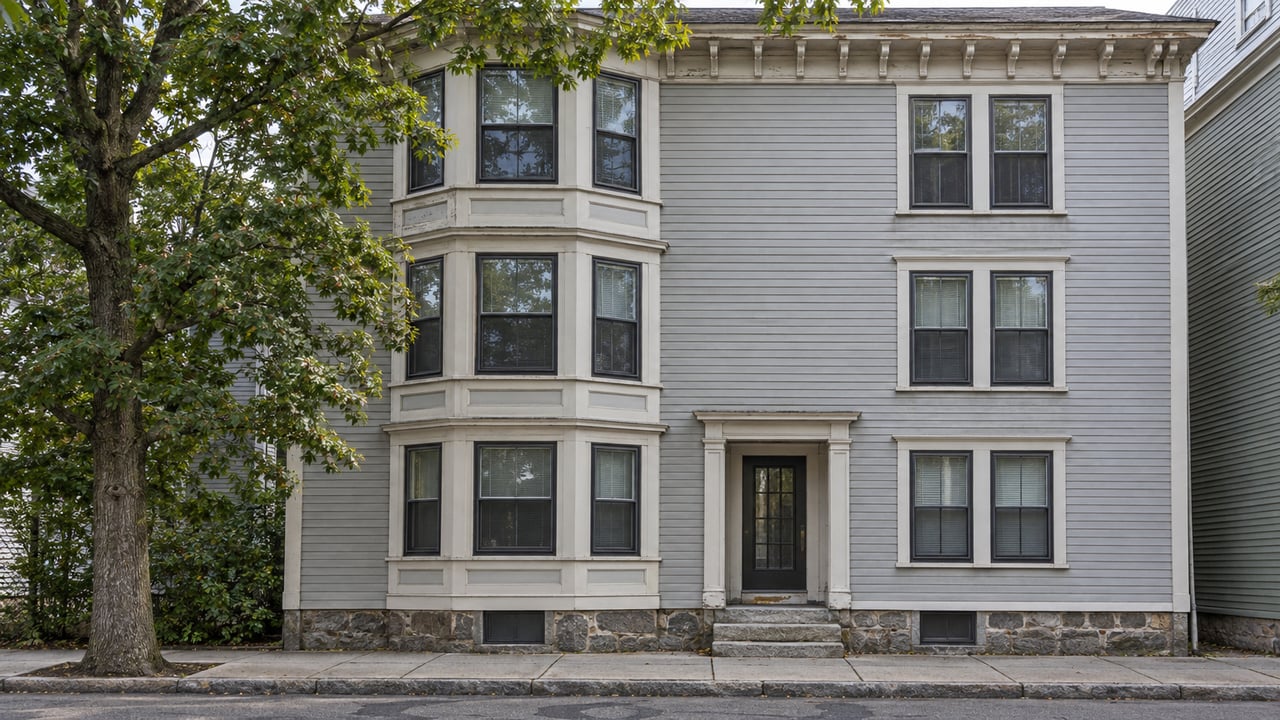
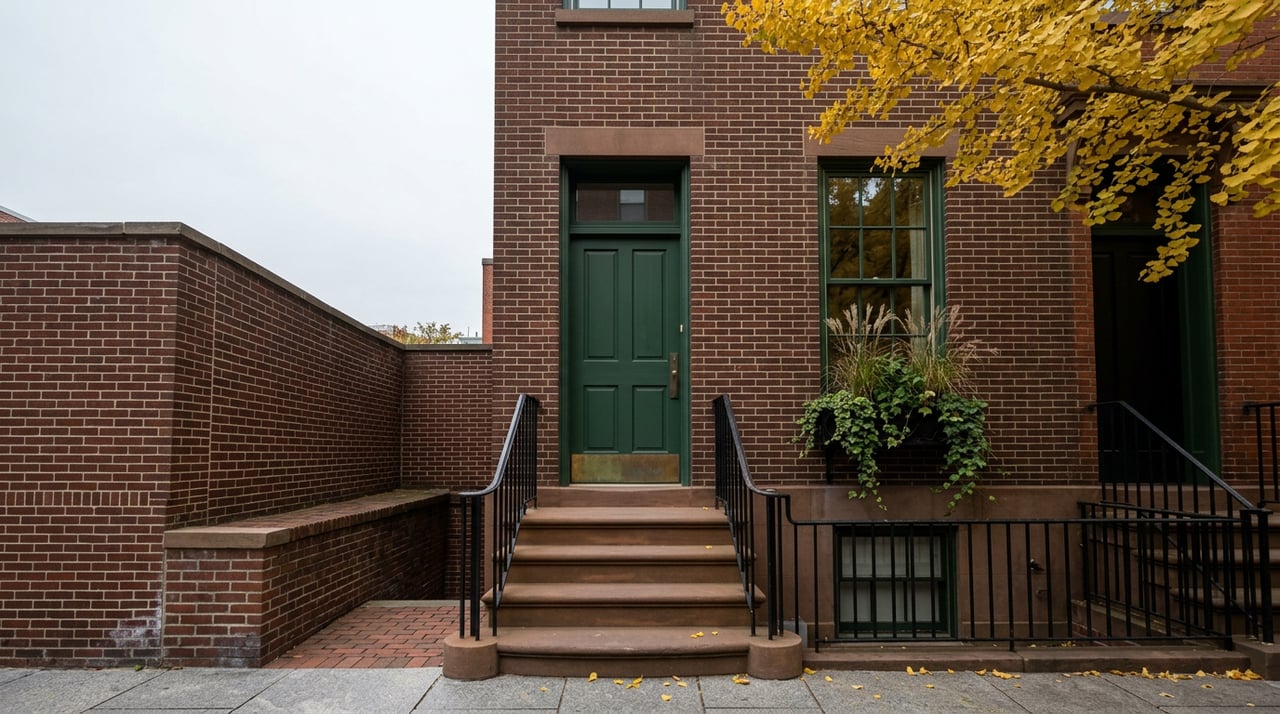
Back Bay offers a mix of historic brownstones, mid-century elevator buildings, and newer luxury high-rises. Smaller brownstone associations tend to have fewer amenities and sometimes lower monthly fees. Luxury buildings with full-time staff and extensive amenities often carry higher fees that reflect those services. Fee levels should be read in the context of what the building actually provides.
Parking and location costs
Parking is limited and in high demand. Some buildings include deeded spaces, others offer valet or licensed spots with separate charges. Proximity to downtown also raises expectations for services like concierge and porter coverage, which shows up in the operating budget.
Climate and upkeep
Boston winters mean snow removal, freeze protection, and higher maintenance needs. Older buildings may have shared mechanical systems that require ongoing contracts. These realities can push operating costs higher than in milder markets.
Read the monthly fee line by line
Use the budget and fee breakdown to understand what you’re paying for. Ask what is included, what is excluded, and how usage is allocated.
- Master monthly assessment: Routine operating expenses for the association. Ask what it covers and what you pay separately.
- Utilities: Common-area gas, water/sewer, electricity, and occasionally unit utilities. Confirm whether your unit is individually metered and if there is a chargeback policy.
- Heating and hot water: Central systems are common in older buildings. Ask how costs are allocated among units.
- Insurance, master policy: Property and liability coverage for the association. Request the policy summary and deductible levels, and clarify what is your responsibility inside the unit.
- Reserve contributions: Savings for roof, elevators, façade, piping, and other capital items. Ask for the most recent reserve study and whether contributions match recommendations.
- Management and admin: Professional manager fees or self-management costs. Confirm who manages the building and the stability of the relationship.
- Maintenance, janitorial, grounds, snow, trash: Routine upkeep. Ask if seasonal costs like snow removal are smoothed across the year.
- Elevator and mechanical contracts: Major recurring line items in elevator buildings. Review contract scope and term.
- Security, concierge, doorman: Wages and benefits for staff. Ask about staffing levels, union status, and coverage hours.
- Parking: Deeded spaces, licenses, or valet often carry separate charges or assessments. Confirm the structure and whether your unit includes a space.
- Amenity operations: Gym, pool, roof deck, guest suites, storage, clubroom. Ask who uses them, how they are maintained, and whether they generate revenue.
- Legal and professional fees: Routine counsel, accounting, and tax prep. Large or recurring spikes can signal disputes or governance issues.
- Taxes (if applicable): In mixed-use buildings, allocations can be complex. Ask how taxes are handled for common areas.
- Special assessments: One-time charges for capital projects or shortfalls. Review history and ask about upcoming work.
Compare apples to apples
Normalize to fee per square foot
To compare across buildings and unit sizes, convert fees to a common denominator.
- Convert the monthly fee to an annual number: monthly × 12.
- Divide by unit square footage to get an annual fee per square foot.
- Use this number for cross-building comparisons, then adjust for amenities and parking.
A simple example: if a unit’s fee is 900 per month and the unit is 900 square feet, the annual fee is 10,800 and the annual fee per square foot is 12. This makes it easier to compare against a different building with a different unit size.
Separate core services from amenities
Create a two-part view of the fee: core operating services versus amenity premium.
- Build an amenity ledger. List concierge, doorman, valet, gym, pool, roof deck, guest suites, and storage. Note which costs are included in the fee.
- Estimate amenity cost per unit. If the gym costs X per year and there are Y units, the per-unit cost is X ÷ Y. Add similar allocations for other amenities to see your amenity burden.
- Compare against alternatives. If you rarely use the gym or guest suite, that portion is effectively overhead. If you will use them often, the convenience may be worth the premium.
Treat parking separately
Parking can distort comparisons.
- Confirm whether parking is deeded, a separate condo unit, a license, a lease, or included.
- If a unit includes a space, add the parking fee or allocation to your comparison. If it does not, remove parking from the other building’s fee to level the field.
- Consider marketability. In Back Bay, the structure and availability of parking is a major resale factor.
Factor reserves and assessment risk
Two buildings can have similar fees but very different risk. A low fee with underfunded reserves can lead to large assessments later.
- Ask for the most recent reserve study and current reserve balance.
- Compare annual reserve contributions to the study’s recommendation to gauge whether funding is on track.
- Review assessment history and meeting minutes for hints of upcoming projects. Frequent or large assessments can be a red flag.
Documents to request before you buy
Ask for these items early in the process or during due diligence so you can evaluate financial health and risk.
- Current year operating budget plus the prior 2–3 years
- Most recent reserve study and reserve fund balance statements
- Financial statements and accountant-prepared balance sheet and income statement
- Condominium master deed, declaration, bylaws, and your unit deed
- House rules and pet, tenant, and rental policies
- Board meeting minutes for the last 12–24 months
- Insurance summary and master policy declarations, including deductibles and coverage limits, plus fidelity bond coverage for management
- Management contract if professionally managed
- List of pending or planned capital projects, with proposals or bids
- Assessment history for the past 5–10 years and any current special assessments
- Litigation disclosures and any insurer non-renewal issues
- Condo questionnaire or estoppel for lender review
Red flags to watch
- Low or stagnant reserves relative to the reserve study
- Repeated or recent large special assessments
- Significant or recurring legal fees
- High owner delinquencies relative to total assessments
- Master policy with high deductibles or major exclusions
- Management turnover or restrictive short-term contracts
- Minutes that reveal disputes, deferred maintenance, or unfunded projects
- Rental restrictions that conflict with your plans
Financing and resale impacts
Lenders review a project’s budget, reserves, insurance, and questionnaire. Your monthly condo fee is counted in debt-to-income calculations, so include realistic fees in your pre-approval planning. Some mortgage programs also have project eligibility requirements that the association must meet.
Appraisers consider amenity packages and fee burden when selecting comparable sales. If you pay a premium for services like full-time concierge and valet, your agent should identify comps that reflect similar features. On resale, very high fees relative to unit size can narrow the buyer pool, while deeded or well-structured parking often boosts marketability in Back Bay.
Tax-wise, portions of condo fees tied to capital reserves are generally not deductible for homeowners, though rental-use allocations may be. Always consult a tax advisor for your situation.
Your buyer checklist
Use this quick list to stay organized at each stage.
Before you write an offer
- Request the current budget, reserve balance, and master insurance summary
- Ask about recent or pending special assessments and planned projects
- Confirm parking status and any monthly parking fees or allocations
- Clarify utilities included in the fee and request unit utility history if applicable
During due diligence
- Obtain the condo questionnaire or estoppel for your lender
- Review 12–24 months of meeting minutes and recent financials
- Get the reserve study and funding plan, focusing on the next 1–5 years
- Have your attorney review governing documents for insurance, assessment, and rental policies
- Ask for explanations on any large or fast-rising line items in the budget
Questions for the manager or board
- What are current reserve balances and how do they compare to the reserve study?
- What capital projects are planned in the next 1–5 years and how will they be funded?
- What is the history of special assessments and the current delinquency rate?
- What are the terms of staffing and management contracts, and are costs expected to rise?
- Are there any litigation matters or insurer non-renewal risks?
How we can help
You want a clear, confident read on Back Bay condo fees before you commit. With 20-plus years working Boston condos, conversions, and downtown listings, we help you evaluate fee structures, request the right documents, and compare buildings on a true cost-per-square-foot basis. We coordinate with your lender and attorney, highlight reserve and assessment risks, and identify comps that support the amenities you value.
If you are weighing two or three buildings, we will build an amenity ledger, normalize fees, and outline trade-offs so you can choose with confidence. Ready to move forward on a Back Bay condo with eyes wide open? Schedule a consultation with Boston Real Estate Pros.
FAQs
What should a Back Bay condo buyer look for in fees?
- Focus on fee per square foot, what utilities and services are included, reserve contributions compared to a reserve study, and any history of special assessments.
How do reserves impact my monthly fee and risk?
- Strong reserve funding can keep special assessments down, while low reserves may signal higher risk of one-time charges for major repairs.
Are higher fees in concierge buildings worth it?
- If you value full-time staff, security, and on-site amenities, the premium can be justified; if not, it is overhead you may not use.
How should I compare parking costs in Back Bay condos?
- Confirm whether parking is deeded, licensed, or valet and price it separately when comparing units to avoid skewing the fee-per-square-foot analysis.
Which documents are essential before buying a Back Bay condo?
- Ask for the current and recent budgets, reserve study and balances, financials, meeting minutes, master insurance summary, assessment history, governing docs, and the lender questionnaire.