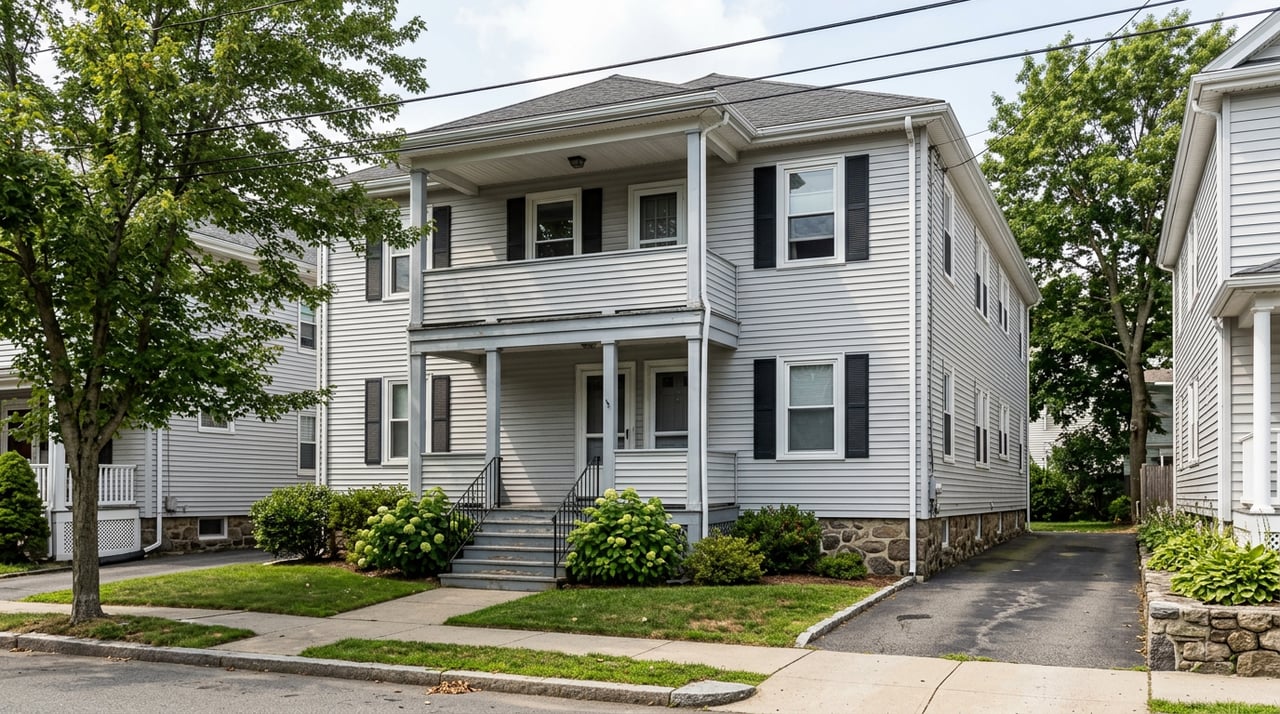
Thinking about buying a triple-decker in Jamaica Plain, either to live in one unit or as a small investment? You are not alone. These classic three-families can deliver rental income, long-term equity, and a walkable Boston lifestyle if you buy and manage them well. In this guide, you will learn what makes JP triple-deckers unique, where they are most common, what to inspect, how local zoning and permits work, and how to underwrite a deal with a simple pro forma. Let’s dive in.
What a JP triple-decker is
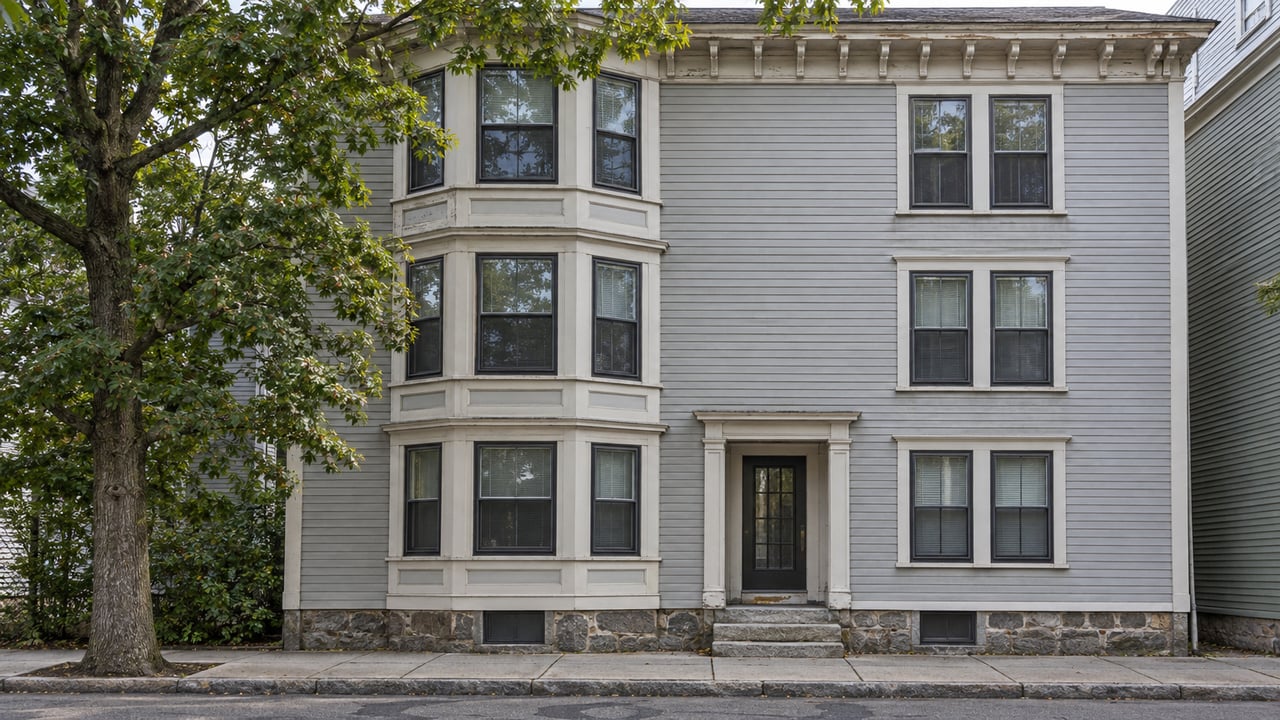
A Boston triple-decker is a wood-frame, three-story building with one dwelling per floor, most built between the 1880s and 1930s. You will recognize stacked porches, bay windows, and vertically aligned kitchens and baths that simplified early plumbing. They were designed to be attainable for owners while producing rental income, which is why house-hacking a triple-decker still makes sense today. For a concise history and defining features, see this overview of Boston’s triple-deckers from the Boston Preservation Alliance (short history of Boston’s triple-deckers).
Where they sit in JP
You will find many triple-deckers in subareas like Forest Hills, Centre Street/Hyde Square, Egleston, and Stony Brook. These locations often sit near transit and green space such as the Southwest Corridor and the Arnold Arboretum. That mix of access and neighborhood scale is part of JP’s draw for both owner-occupiers and small investors.
Layouts, systems, and common repairs
Typical floor plans
Most buildings have one unit per floor with 1 to 3 bedrooms, an eat-in kitchen, and living/dining rooms. Basements typically hold the heating system, hot water, laundry, and storage. Kitchens and baths commonly stack vertically, which simplifies plumbing but makes one vertical line a potential single point of failure if it leaks.
Mechanical red flags and big-ticket items
- Heating. Many buildings started with oil or steam heat and were later converted to gas hot water or steam. Boiler replacements, oil-to-gas conversions, and chimney lining are meaningful costs. Confirm fuel type, age, service history, and permits before you bid.
- Electrical. Older wiring, including knob-and-tube, is still found in some JP triple-deckers. Full rewiring is often a five-figure project. Industry cost guides cite ranges that can exceed $12,000 to $36,000 or more depending on access and finishes (knob-and-tube cost overview).
- Roofs and porches. Expect flat or low-slope roof membranes and stacked porches to be recurring capital items. Porch rebuilds and new roofs are two of the most common large projects on these buildings (triple-decker features and upkeep).
- Lead paint, asbestos, and exterior approvals. Many JP triple-deckers predate lead rules. Plan for lead-safe work or abatement as needed, and check for older boiler insulation or other suspect materials. Some blocks fall under historic or conservation review for exterior work. Use licensed pros and follow permit rules.
Maintenance rhythm to budget
- Annual: gutter cleaning, chimney and roof checks, boiler service, paint and trim touch-ups, porch and guardrail inspection.
- 5 to 15 years: roof membrane replacement, major porch and structural carpentry, window replacement if original, gas boiler replacement depending on age and use.
Zoning and permits in Jamaica Plain
Article 55 basics
Jamaica Plain is governed by Article 55 of the Boston Zoning Code. Rules vary by mapped subdistrict and cover uses, density, parking, and open space. Always confirm the parcel’s subdistrict on the official code site and check the tables before planning a conversion or exterior change (Boston Zoning Code, Article 55).
ADUs and overlays
Boston has piloted Additional Dwelling Units in several neighborhood articles, including rules that have touched JP. If you are considering a basement unit or small addition, review current ADU language, any local overlay requirements, and design review steps (City of Boston ADU zoning update page).
Historic areas and exterior work
Some JP streets are in conservation or historic subdistricts. Exterior changes such as siding, windows, and porch configurations may require review. Build those timelines and potential material standards into your budget and schedule (Article 55 reference).
Permitting in practice
Routine items like boilers, roofs, and electrical upgrades require permits with Boston Inspectional Services. Larger changes, including use changes and basement conversions, can trigger design review or Zoning Board hearings. Start by confirming the parcel’s zoning, then plan for review time and community input where applicable.
Rents, vacancy, and underwriting in JP
Rent comps to anchor your pro forma
Neighborhood trackers show typical JP averages in the mid $2,000s to mid $3,000s for one- and two-bedroom units. Apartments.com reports around $2,700 for 1-bedrooms and over $3,200 for 2-bedrooms as a starting point. Your triple-decker’s actual rents will vary by unit size, finishes, laundry, parking, and proximity to transit (Jamaica Plain rent trends).
Market context and vacancy
Greater Boston multifamily has run with mid-single-digit vacancies and institutional cap rates in the low 5 percent range in recent years. Small 2 to 4 unit buildings, however, price and operate differently, so base your underwriting on local comps and small-owner assumptions, not tower metrics (Greater Boston multifamily trends).
Practical rules of thumb
- Vacancy and loss to lease: 4 to 7 percent. A 5 percent starting point is common for JP.
- Operating expenses for older small multifamily: often 35 to 45 percent of effective gross income. Older stock and smaller scale push ratios higher than large assets.
- Capital reserves: set aside 3 to 5 percent of gross income or about $300 to $600 per unit per month on older triple-deckers, given porches, roofs, and boilers are recurring needs (common triple-decker upkeep).
A simple JP triple-decker pro forma
Below is an illustrative snapshot using a hypothetical JP purchase at $1,300,000 and sample market rents. Update these with live comps, inspection findings, and current lender quotes.
Assumed monthly rents:
- Unit A (2BR): $3,300
- Unit B (2BR): $3,200
- Unit C (1BR): $2,700
Gross scheduled rent (GSR) = $9,200/month = $110,400/year
Financing example for reference: owner-occupied, 5 percent down, ~6.5 percent 30-year fixed. Estimated debt service about $7,800/month or $93,600/year.
| Line item | Conservative | Base | Optimistic |
|---|---|---|---|
| GSR | $104,880 | $110,400 | $115,920 |
| Vacancy/concessions | -$7,342 (7%) | -$5,520 (5%) | -$4,637 (4%) |
| Effective gross income | $97,538 | $104,880 | $111,283 |
| Operating expenses | -$43,892 (45%) | -$41,952 (40%) | -$38,949 (35%) |
| Net operating income | $53,646 | $62,928 | $72,334 |
| Est. annual debt service | -$93,600 | -$93,600 | -$93,600 |
| Cash flow before taxes | -$39,954 | -$30,672 | -$21,266 |
What to notice:
- At today’s rates, many small JP deals do not cash flow on low down payments unless you have higher rents, significant value-add, or a larger down payment.
- Returns hinge on three drivers: your price, your financing terms, and the building’s real repair needs. Tighten each one and rerun the math before you offer.
Financing: house-hack vs. investment
Owner-occupied options
- FHA for 2 to 4 units: Low down payments are possible for owner-occupants. For 3- and 4-unit properties, FHA uses additional tests, including a self-sufficiency standard that relies on the appraiser’s market rent estimate. Lenders typically count only a portion of rents for qualifying and may require reserves. Review the FHA handbook and speak with lenders on exact tests (FHA 4000.1 reference).
- Conventional (Fannie Mae) for 2 to 4 units: Since late 2023, Fannie Mae made several owner-occupied 2 to 4 unit programs more accessible with lower down payment options in many cases. Lenders still apply overlays, so get pre-approved early and ask about specific 3-family guidelines, loan limits, and reserves (Fannie Mae selling guide archive).
Fully rented investment loans
Investor loans for 3- and 4-units usually require higher down payments and may use different underwriting tests, rates, and amortizations. Confirm whether the property can meet lender cash flow standards without heavy owner subsidy.
Tenant law and rent control basics in MA
Massachusetts does not allow local rent control ordinances under current state law. Tenants still have protections around notices, security deposits, and eviction procedure, and local policy proposals can change. Review current state guidance before you plan major rent or occupancy changes (state law reference on rent control).
Your JP triple-decker checklist
- Pull fresh rent comps within 5 to 10 blocks for the exact unit mix and finishes (Jamaica Plain rent trends).
- Order a full home inspection plus specialists for roof, porches, electrical, chimney/boiler, and a lead test. Budget for potential rewiring and a future roof or boiler (knob-and-tube cost guide).
- Confirm zoning: find your subdistrict in Article 55 and check use, density, and parking rules (Article 55 overview).
- If you plan a basement or small-unit addition, review current ADU language and any design review steps (City ADU zoning page).
- Get two lender quotes: compare FHA vs. conventional 2 to 4 unit options and ask about down payments, reserves, and income treatment (Fannie Mae guide).
- Underwrite three ways: conservative, base, and optimistic. Use 4 to 7 percent vacancy, 35 to 45 percent OpEx, and a capex reserve. Stress test rents and rates before you offer.
If you are weighing a JP triple-decker, a clear plan and local knowledge are your edge. From reading the zoning table to running a realistic pro forma and budgeting for porches and roofs, the details decide your returns. Ready to explore on-market and off-market opportunities or to sanity-check a deal you are eyeing? Connect with the team at Boston Real Estate Pros to schedule a consultation.
FAQs
What is a triple-decker in Jamaica Plain?
- A triple-decker is a three-story, wood-frame building with one home per floor, many built from the 1880s to 1930s, known for stacked porches, bay windows, and vertically aligned kitchens and baths.
How much do JP triple-decker units rent for today?
- Neighborhood trackers show typical averages near $2,700 for 1-bedrooms and over $3,200 for 2-bedrooms; actual rents vary by size, finish, and transit access.
What big repairs should I expect on a JP triple-decker?
- Common large items include flat roof membranes, porch framing, boiler replacements or oil-to-gas conversions, electrical rewiring, and lead-safe work on older finishes.
How do zoning and permits affect JP renovations?
- Article 55 sets use, density, and dimensional rules by subdistrict; exterior changes and unit conversions can require permits and sometimes design or historic review.
Can I add an ADU or finish a basement in JP?
- It depends on subdistrict rules and current ADU language. Confirm Article 55 and any applicable overlays, then discuss your plan with Boston Inspectional Services.
What financing works best for an owner-occupied 3-family?
- Many buyers compare FHA and conventional 2 to 4 unit loans. FHA adds tests for 3- and 4-unit deals, while recent Fannie Mae updates improved some conventional options. Get pre-approved and compare terms early.