If you want a Boston neighborhood where you can walk to transit, green space, restaurants, major institutions, and one of the city’s most iconic sports venues, Fenway probably already has your attention. It is a neighborhood with real energy, and that can be a huge advantage if you want convenience and activity built into daily life. At the same time, it helps to know where that energy shows up most, what housing looks like here, and what tradeoffs come with the location. Let’s dive in.
Fenway at a glance
Fenway is part of the City of Boston’s larger Fenway-Kenmore planning district, which includes East Fenway, West Fenway, Kenmore Square, and nearby subareas. According to the City of Boston neighborhood overview, the area is anchored by Fenway Park, the Back Bay Fens, and a dense mix of arts, education, nightlife, and medical institutions.
That mix shapes what daily life feels like. The neighborhood is lively, highly active, and tied closely to the rhythm of the city around it. The Boston Planning & Development Agency notes that Fenway’s main commercial hubs include Kenmore Square, Lansdowne Street, Brookline Avenue, and Boylston Street, while nearby institutions along Huntington Avenue add another major layer of activity and foot traffic.
What the neighborhood feels like
Fenway often feels like two neighborhoods at once. On one hand, you have major destinations, nightlife, transit connections, and event-day crowds. On the other, you have calmer residential blocks, especially closer to the Fens and farther from the busiest entertainment corridors.
That contrast is a big part of Fenway’s appeal. You can have access to restaurants, museums, concerts, and ballgames within a short distance, while still finding stretches that feel more residential. If you like being near the action without needing to be in the middle of it every moment, Fenway can offer that balance.
It also helps to know that this is not a quiet, tucked-away part of Boston. BPDA describes the area as energetic, student-heavy, and event-driven rather than purely residential, which is an important expectation to set if you are comparing Fenway with more low-key neighborhoods.
Green space stands out here
One of Fenway’s biggest lifestyle advantages is its access to outdoor space. The Back Bay Fens is part of Boston’s Emerald Necklace, the city’s 1,100-acre chain of parks.
That matters because it gives Fenway a softer side. Even though the neighborhood is dense and busy, the Fens adds walking paths, open views, and a break from the surrounding city streets. Boston has also continued to invest in pedestrian-friendly public spaces in the area, including projects like New Edgerly Plaza.
For many buyers and renters, that blend of urban access and nearby green space is a major reason Fenway stands out. You are not choosing between city living and outdoor access quite as much as you might in some other neighborhoods.
Housing in Fenway
Fenway is a renter-heavy neighborhood. Boston’s 2025 By the Numbers report says owner occupancy is lowest in Fenway at 8.9%, and the city’s 2023 fair housing analysis found 2,089 income-restricted units out of 16,676 total housing units in Fenway/Kenmore, or about 13%.
In practical terms, that means the housing stock is shaped more by apartments and condos than by traditional owner-occupied single-family homes. If you are looking in Fenway, you are generally looking at an urban housing market with a strong rental presence and a condo-oriented ownership side.
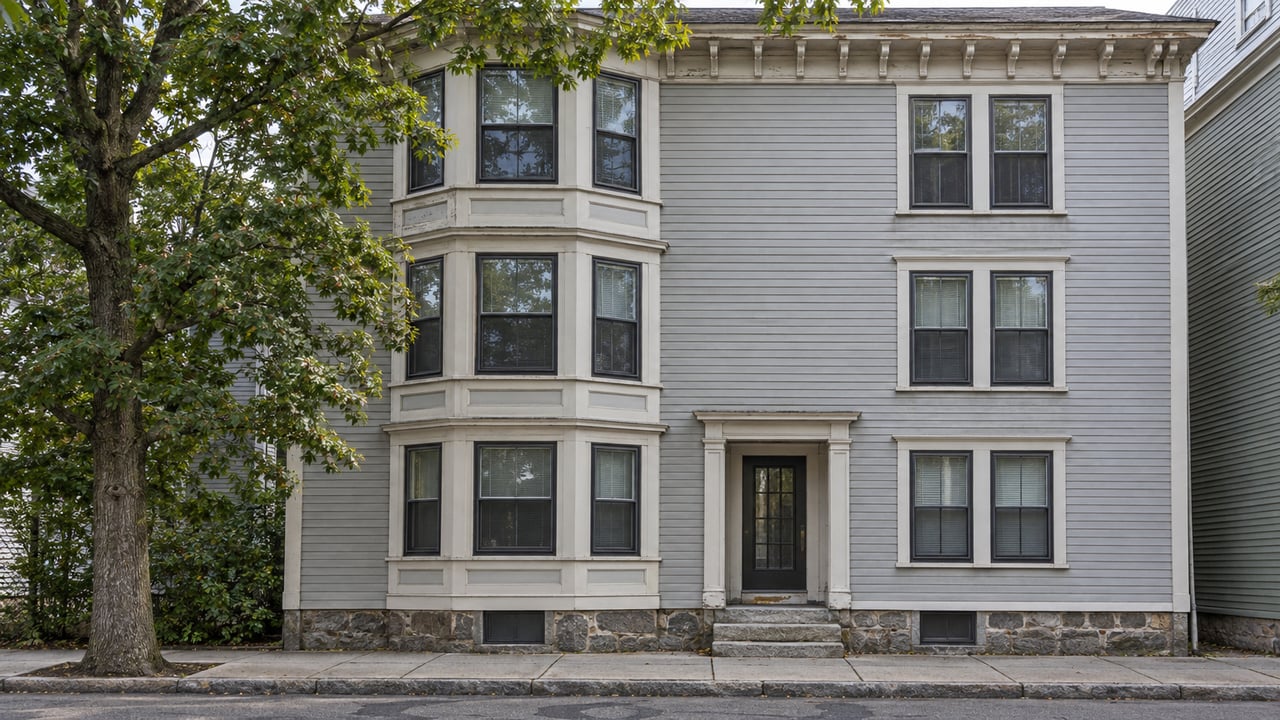
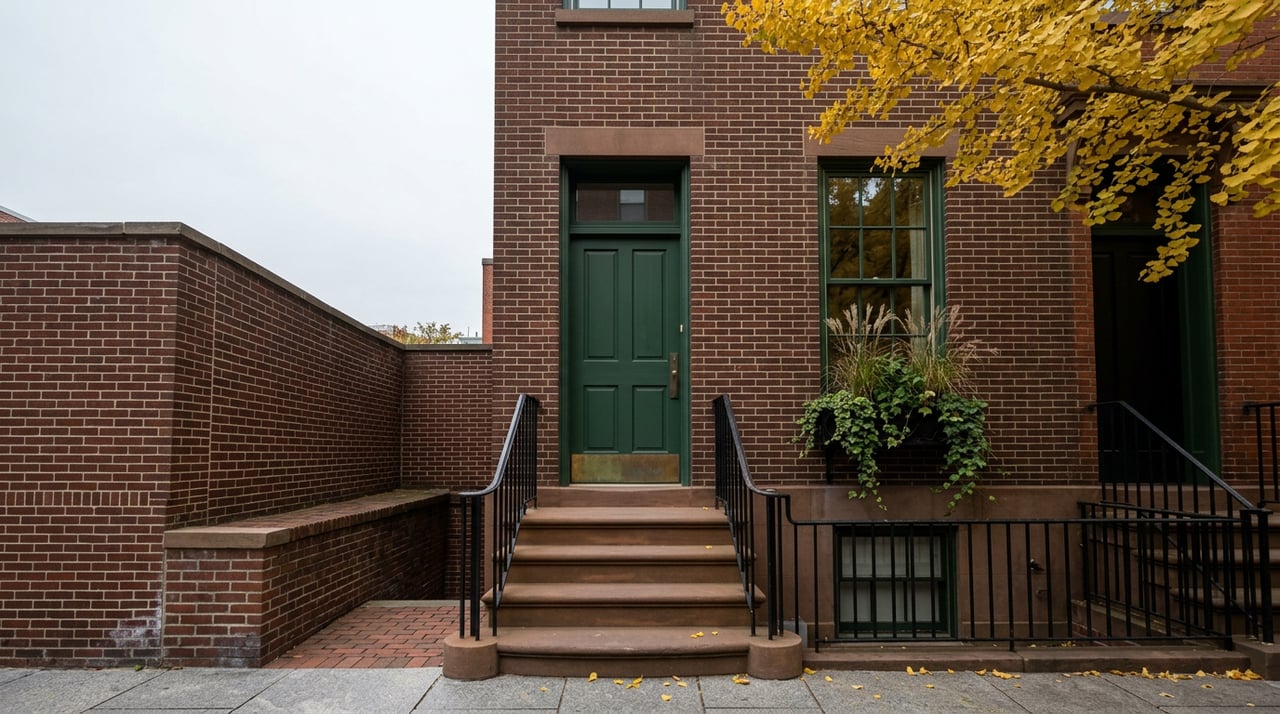
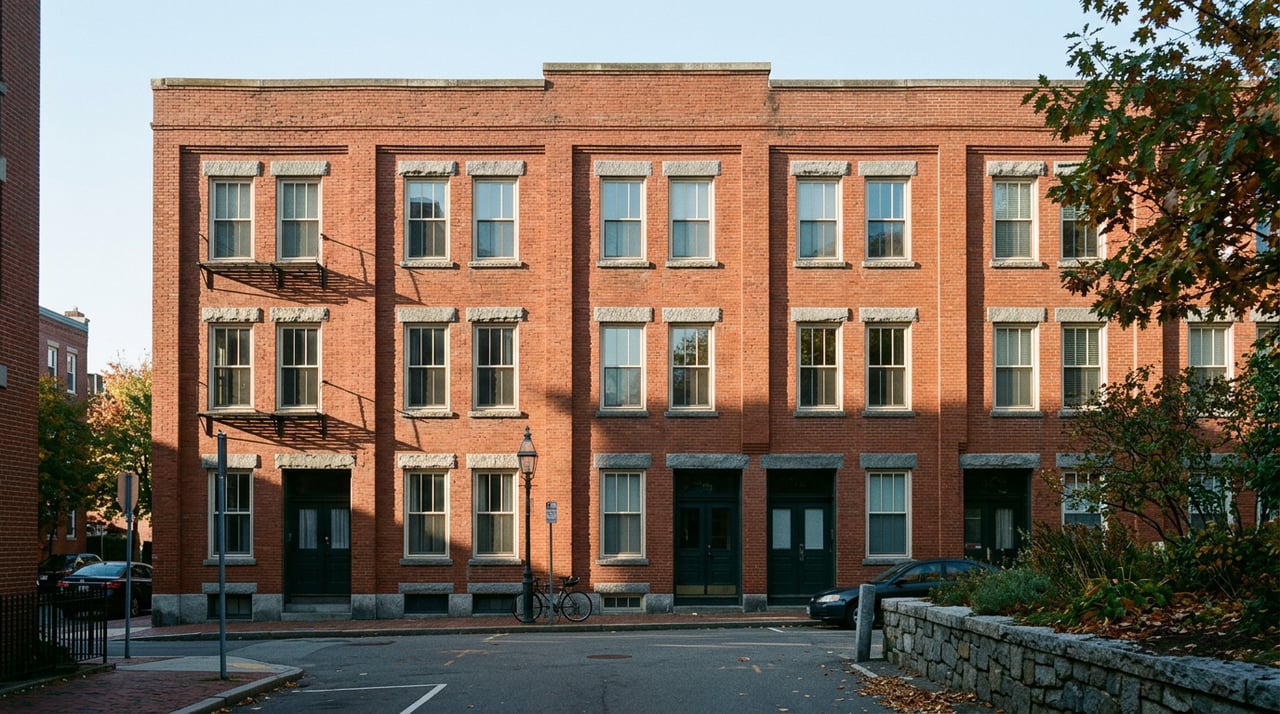
According to BPDA, the housing mix includes historic brick row houses along the Fens and newer residential towers near Fenway Park. That gives the neighborhood a fairly wide range of building styles, from older Boston architecture to more recently developed buildings.
What renters can expect
Fenway is considered a premium rental market. Current neighborhood market pages from RentCafe place average rent at about $3,992 per month overall, with one-bedroom apartments averaging around $3,776 and two-bedroom apartments around $4,569.
The same source says roughly 79% of Fenway-Kenmore rentals are priced above $3,000 per month. That tells you quickly that convenience, location, and neighborhood amenities come at a price here.
If you are renting in Fenway, the upside is access. You are paying for proximity to transit, major employers and institutions, entertainment, parks, and central Boston destinations. The tradeoff is that your budget may not stretch as far here as it would in some other parts of the city.
What buyers can expect
For buyers, Fenway is largely a condo market. Redfin’s Fenway-Kenmore market page reports a recent median sale price of $1.2 million and about $1,190 per square foot.
That pricing reflects the neighborhood’s central location, limited ownership inventory, and condo-heavy housing stock. If you are shopping here, you are usually buying for walkability, location, and lifestyle rather than yard space or private parking.
This is one reason Fenway tends to attract buyers who want an urban home base close to daily conveniences. It can also appeal to buyers who see long-term value in a centrally located Boston neighborhood with strong demand and a well-established identity.
Transit and getting around
Fenway is one of the easier Boston neighborhoods to navigate without a car. The Red Sox transportation page says public transit is the easiest and most convenient way to reach Fenway Park, with Kenmore Station nearby, multiple MBTA bus routes serving the area, and Worcester Line access at Lansdowne Station.
That transit-first setup supports everyday life well beyond baseball season. Whether you are commuting, meeting friends, or heading across the city, the neighborhood gives you a lot of options without requiring you to drive.
RentCafe gives Fenway-Kenmore a Walk Score of 95, Transit Score of 95, and Bike Score of 92. Boston is also improving bicycle and pedestrian connections through projects such as the Fenway Path and related Green Links work, including completed segments and a planned connection to Lansdowne Station.
Parking is the biggest tradeoff
If Fenway has one consistent practical downside, it is parking. Boston has warned that illegal use of Fenway/Kenmore resident parking spaces during events can lead to a $100 fine, and the Red Sox note that parking near Fenway can cost up to $40 on game days.
That does not mean driving is impossible here. It means that if you rely heavily on a car, you should go in with realistic expectations about cost, availability, and event-day inconvenience.
For some people, this is not a major issue because the neighborhood is so transit-oriented. For others, especially buyers who want easy vehicle access and simpler parking routines, it may be a meaningful factor in the decision.
Game days and neighborhood noise
Fenway’s energy is one of its selling points, but it is also one of its biggest tradeoffs. The Red Sox say Fenway Park gates open 90 minutes before game time, and Jersey Street fills with pregame activity, which gives you a good sense of how the area changes during events.
If you live close to the ballpark or near Lansdowne Street, you should expect more crowd activity, more noise, and more traffic at certain times. A Boston University housing guide based on student reviews also describes Fenway/Kenmore as strong for transit and nightlife, while noting that baseball days can be crowded and street noise can be frustrating.
That does not make Fenway a bad choice. It simply means the neighborhood works best when your lifestyle matches the environment. If you enjoy being near activity, it can feel exciting and convenient. If you want a consistently quiet setting, you may need to be more selective about the exact block or building.
Who Fenway is a good fit for
Fenway tends to work especially well for people who want walkability, transit access, and built-in entertainment. The neighborhood also has a strong concentration of students and young professionals. Boston’s housing report notes that Fenway/Kenmore has 5,080 off-campus students, one of the city’s largest concentrations.
You may find Fenway especially appealing if you want:
- A condo or apartment in a central Boston location
- Easy access to the T, buses, biking, and commuter rail
- Nearby parks, museums, restaurants, and nightlife
- A neighborhood with steady activity and an urban feel
Fenway may be less ideal if your top priorities are:
- Abundant parking
- Larger private outdoor space
- A quieter, more consistently residential atmosphere
In other words, Fenway is less about retreat and more about access. For the right buyer or renter, that is exactly the point.
Why block-by-block matters
One of the most important things to understand about Fenway is that your experience can vary a lot within a relatively small area. Blocks closer to Lansdowne Street, Boylston Street, Brookline Avenue, and the ballpark usually feel more active. Areas nearer the Back Bay Fens and farther from those commercial corridors may feel calmer.
That is why local guidance matters here. If you are renting, buying, or considering an investment property, the building type, street position, and daily noise pattern can make a real difference in how the neighborhood feels once you move in.
If you are weighing Fenway against other Boston neighborhoods, it helps to look beyond the map and think about how you want your day-to-day life to function. If you want help comparing condo options, evaluating a purchase, or figuring out whether Fenway fits your goals, Boston Real Estate Pros can help you make a more informed move.
FAQs
Is Fenway in Boston better for renters or buyers?
- Fenway is more renter-heavy, with owner occupancy at 8.9%, so the neighborhood is generally more dominated by rentals than owner-occupied housing.
Is Fenway in Boston noisy on game days?
- Yes, the busiest blocks near Fenway Park and Lansdowne Street can get noticeably louder and more crowded during games and other events.
Is Fenway in Boston easy to live in without a car?
- Yes, Fenway is highly walkable and transit-oriented, with access to the MBTA, bus routes, biking infrastructure, and commuter rail at Lansdowne Station.
What kind of homes are common in Fenway Boston?
- Fenway mainly has apartments and condos, along with older brick row houses and newer residential towers.
Are there quieter parts of Fenway Boston?
- In general, blocks closer to the Back Bay Fens and farther from Lansdowne Street, Boylston Street, and Brookline Avenue may feel calmer than the busiest commercial and event areas.