If you are selling a Back Bay condo, one decision matters more than almost anything else: how you price it on day one. In a neighborhood known for historic buildings, building-by-building value differences, and serious buyer expectations, the right strategy can help you protect value and avoid a stale listing. This guide will show you how pricing and timing work together in Back Bay so you can plan your sale with more confidence. Let’s dive in.
Why Back Bay pricing is different
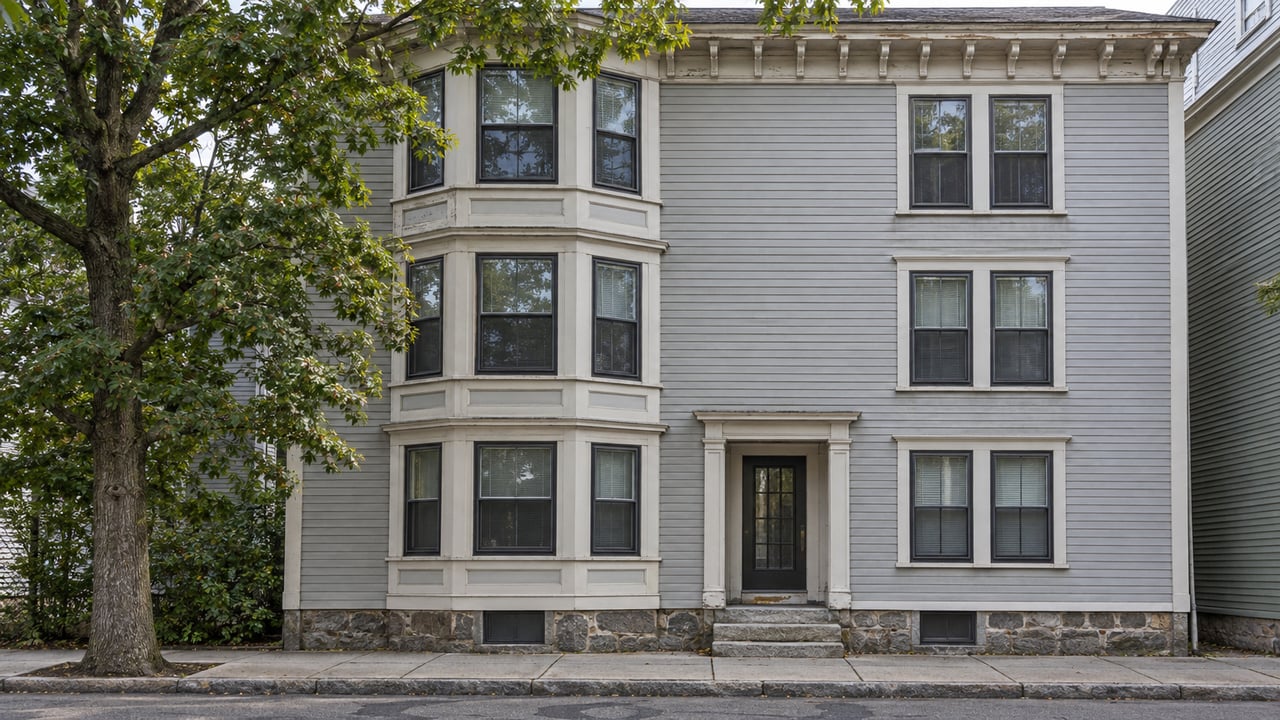
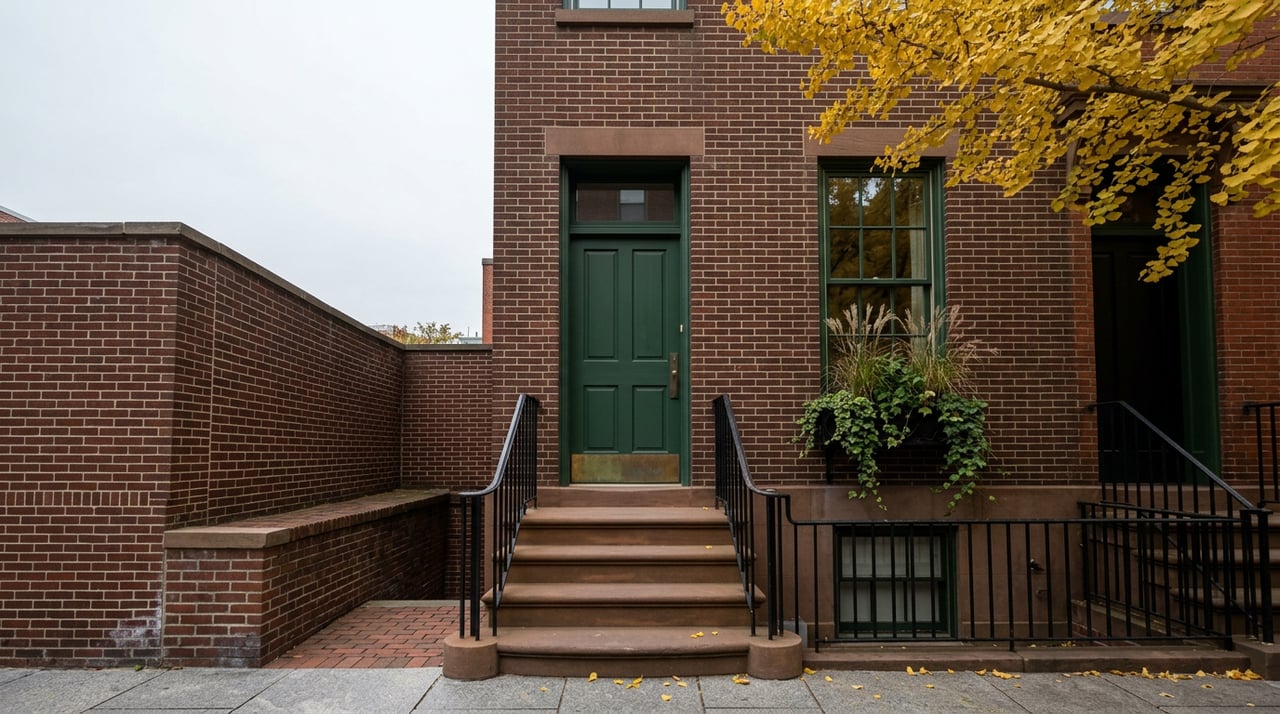
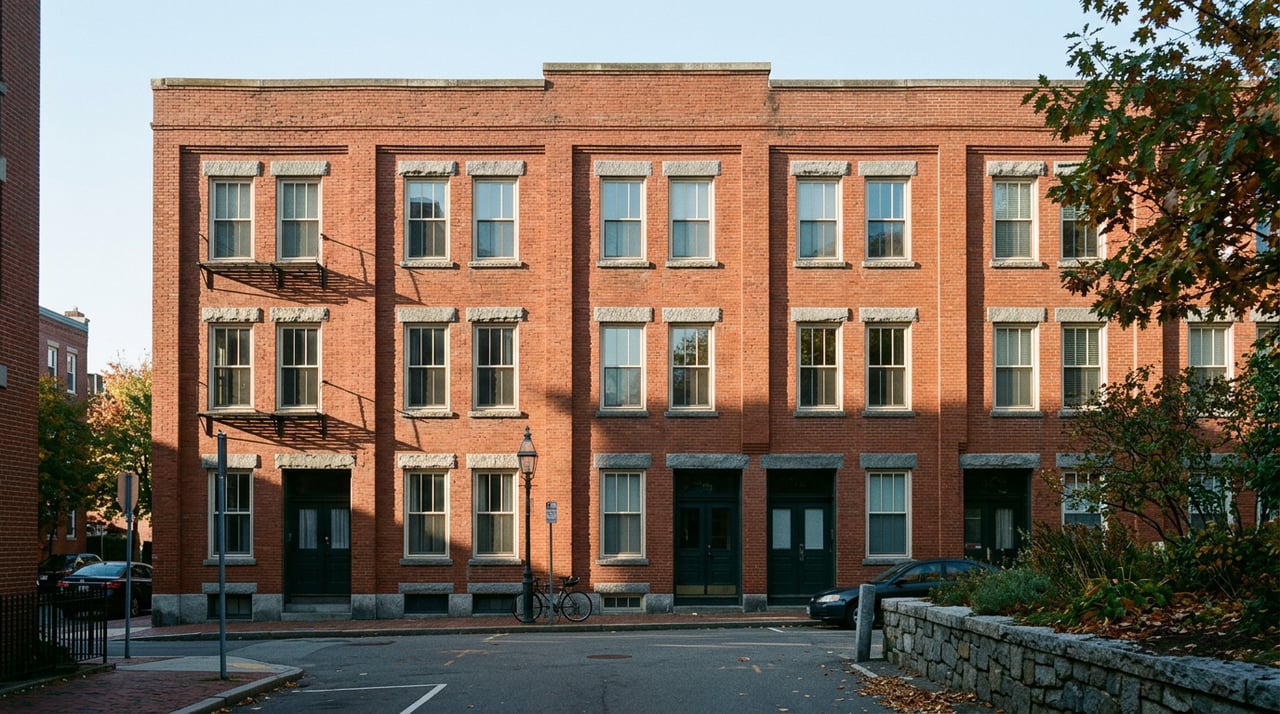
Back Bay does not behave like a one-size-fits-all condo market. Boston planning sources describe it as a historic neighborhood with Victorian row houses, brick sidewalks, and a mix of residential and commercial landmarks, which means buyers often weigh architecture, location, and building character very carefully.
That also means broad neighborhood averages can be misleading. Some condos are in classic brownstones, some are in elevator buildings, and some are in full-service towers, so two homes with similar square footage can attract very different pricing based on the building, layout, exposure, parking, and renovation level.
Current market trackers show a market that is active, but not instant. Redfin shows 128 condos for sale in Back Bay at a median listing price of $1.59 million, with homes typically spending 38 days on market and receiving about one offer per listing, while Zillow reports an average home value of $1,344,570, a median sale price of $1,403,333, and about 62 days to pending.
Those numbers are useful for context, but they are not a pricing formula. The gap between portal data sets is a good reminder that your best pricing benchmark is usually the closest MLS comp set, not one headline number for the entire neighborhood.
Start with the right comp set
In Back Bay, the most important pricing question is often not, “What are condos selling for in the neighborhood?” It is, “What have buyers paid for homes like yours in this building or the closest competing buildings?”
Fannie Mae guidance notes that sale activity from within the neighborhood is the best indicator of value. In practice, for Back Bay condos, that usually means starting with recent sales in the same building, then expanding to nearby peer buildings with similar features and a similar buyer profile.
A strong comp set should account for details such as:
- Building type
- Elevator access
- Concierge or service level
- Parking
- Outdoor space
- Floor level and exposure
- Renovation quality
- Layout efficiency
- Historic character versus newer finishes
This is especially important in Back Bay because the housing stock is so varied. A renovated condo in a doorman building may not compete directly with a similar-sized unit in a walk-up brownstone, even if both are just a few blocks apart.
Condition matters, but only if buyers pay for it
It is easy to assume your upgrades should translate directly into a higher list price. Sometimes they do, but only if buyers in your exact micro-market have shown they will pay more for those specific improvements.
That is why renovation cost is not the same thing as market value. The smarter question is whether recent buyers in your building or nearby competing buildings responded positively to similar kitchens, baths, lighting, storage, flooring, or layout updates.
In a design-conscious area like Back Bay, presentation and finish level can influence value. Still, pricing should reflect market reaction, not personal investment.
Why overpricing is risky in Back Bay
Back Bay’s local quarterly MLS review makes one thing clear: launch pricing matters. In Q1 2026, Back Bay condos averaged 108 days on market, 88 days to offer, and 93.77% of original list price received, compared with 91 days on market, 62 days to offer, and 93.27% of original list price received in Q1 2025.
That shift tells you the market has become less forgiving. Buyers are still active, but they are taking longer to act, and listings that miss the mark on price may spend more time on the market before a reduction becomes necessary.
The broader Greater Boston condo market supports the same idea. In February 2026, the region had 1,615 active condo listings, 2.2 months of supply, 66 cumulative days on market, and 96.7% of original list price received year to date.
In plain terms, this is not a market where you can count on an aggressive asking price to get fixed later without consequences. If your condo launches too high, you may lose early momentum, and that first wave of qualified buyers is usually the one you want most.
Timing your sale around readiness
Spring is generally the strongest target season for sellers, but timing is more nuanced than picking one “best week.” Research cited in the report points to strong spring opportunities, with Realtor.com identifying April 12 through 18 as a leading 2026 window and Zillow’s metro analysis showing Boston’s strongest selling premium in the last two weeks of May.
For you, the takeaway is simple: aim for spring if you can, but do not rush to market before your condo is fully ready. A well-prepared listing launched at the right price will usually outperform a rushed listing that hits the market on a supposedly perfect date.
That is especially true in Back Bay, where buyers tend to notice detail. If photos, finishes, lighting, or staging feel incomplete, the market may read that as a condition issue rather than a simple timing issue.
Build your timeline backward
If you hope to list in spring, the prep work should usually begin earlier than you think. Realtor.com reports that 53% of sellers took one month or less to get their home ready, but also notes that sellers should start well before their intended listing date.
For many Back Bay condo owners, that means planning at least one to three months ahead for:
- Repairs and touch-ups
- Decluttering and storage planning
- Paint or cosmetic refreshes
- Staging decisions
- Photography scheduling
- Show-ready cleaning
- Building coordination for access and move logistics
If your prep list includes any exterior-visible work, start even earlier. Back Bay is a historic district, and the Back Bay Architectural District Commission reviews proposed exterior design changes and alterations at monthly meetings, so approvals can affect your timeline.
Historic district rules can affect timing
Many sellers focus only on the interior of the condo, which makes sense, but exterior-visible projects can create delays if they need review. If you are considering updates that affect the exterior appearance of the building or unit, that lead time should be part of your sale plan from the beginning.
Even if your sale only involves interior refreshes, the same planning mindset applies. Your list date should be built backward from when the home will be photo-ready, stage-ready, and easy to show, not forward from an ideal closing date.
That small shift in planning can make a big difference. Buyers respond best when a listing feels polished from the first day it hits the market.
Staging is part of pricing strategy
In Back Bay, staging is not just about making the home look nice. It supports pricing by helping buyers understand the condition, scale, and appeal of the space before they ever visit in person.
The 2025 NAR staging report found that 83% of buyers’ agents said staging made it easier for buyers to picture the property as their future home. It also found that 29% said staging increased offered value by 1% to 10%, and 49% of sellers’ agents said staging reduced time on market.
That matters in a neighborhood where buyers often compare charm, layout, and finish level very closely. In many Back Bay condos, the rooms that deserve the most attention are the living room, primary bedroom, and kitchen, which the same report identified as top priorities for buyers.
Photos and first impressions matter
Today’s buyers often form an opinion before scheduling a showing. According to the same NAR report, buyers’ agents rated photos, physical staging, videos, and virtual tours as highly important.
This is especially relevant in Back Bay, where natural light, ceiling height, architectural detail, and room flow can strongly influence interest. Great presentation helps buyers see value faster, while weak presentation can make even a well-located condo feel overpriced.
NAR also found that 48% of agents said buyers expected homes to look like TV-staged properties, and 58% said buyers were disappointed when they did not. That does not mean your condo needs to look artificial. It means it should look clean, current, and intentional.
What a smart launch strategy looks like
A strong Back Bay selling plan usually comes down to a few core moves done in the right order. Instead of guessing at the market, you want a launch strategy built around evidence and buyer behavior.
A practical approach often includes:
- Reviewing recent same-building and nearby comparable sales
- Comparing your condo against active and pending competition
- Adjusting for condition, layout, amenities, and presentation
- Completing repairs and cosmetic improvements before photography
- Using staging and media to strengthen the first impression
- Listing when the condo is fully ready, ideally in the spring window if timing allows
- Watching early traffic and feedback closely after launch
This kind of disciplined rollout matters because Back Bay condos can still take time to sell, even when demand is healthy. The goal is not just to go live. The goal is to go live well.
Why hands-on guidance helps
Selling in Back Bay is rarely just about putting a condo in MLS and waiting. Because values can change significantly from one building to the next, the real work is in narrowing the right comp set, pressure-testing the launch price, and making sure the property is ready before the first buyer sees it online.
That is where an experienced, hands-on broker can add real value. Careful prep, building-specific pricing, and quick adjustment based on buyer response can help protect your outcome in a market where details matter.
If you are thinking about selling a Back Bay condo, the best next step is to build a plan before you pick a list date. To talk through pricing, prep, and launch timing with a local, high-touch broker, schedule a consultation with Boston Real Estate Pros.
FAQs
How should you price a Back Bay condo?
- The best starting point is usually recent sales in the same building, then the closest comparable buildings with similar size, condition, amenities, parking, and layout.
When is the best time to sell a condo in Back Bay?
- Spring is generally the strongest season, with research pointing to mid-April and late May as strong windows, but your condo should be fully ready before it goes live.
How long does it take to prepare a Back Bay condo for sale?
- Many sellers can get ready in one month or less, but one to three months is often smarter if you need repairs, staging, photography planning, or building coordination.
Does staging really help when selling a Back Bay condo?
- Yes. Research in the report shows staging can help buyers picture the space more easily, may improve perceived value, and can reduce time on market.
Can historic district rules affect your Back Bay sale timeline?
- Yes. If your pre-listing work includes exterior-visible changes, review by the Back Bay Architectural District Commission can add lead time, so those projects should be planned early.