Trying to choose between Back Bay and the South End for your next condo? You are not alone. Both neighborhoods are central, walkable, and full of classic Boston character, but they offer very different condo experiences once you look past the surface. If you want to match your budget, building style, parking needs, and day-to-day lifestyle to the right neighborhood, this guide will help you sort it out. Let’s dive in.
Back Bay vs. South End at a glance
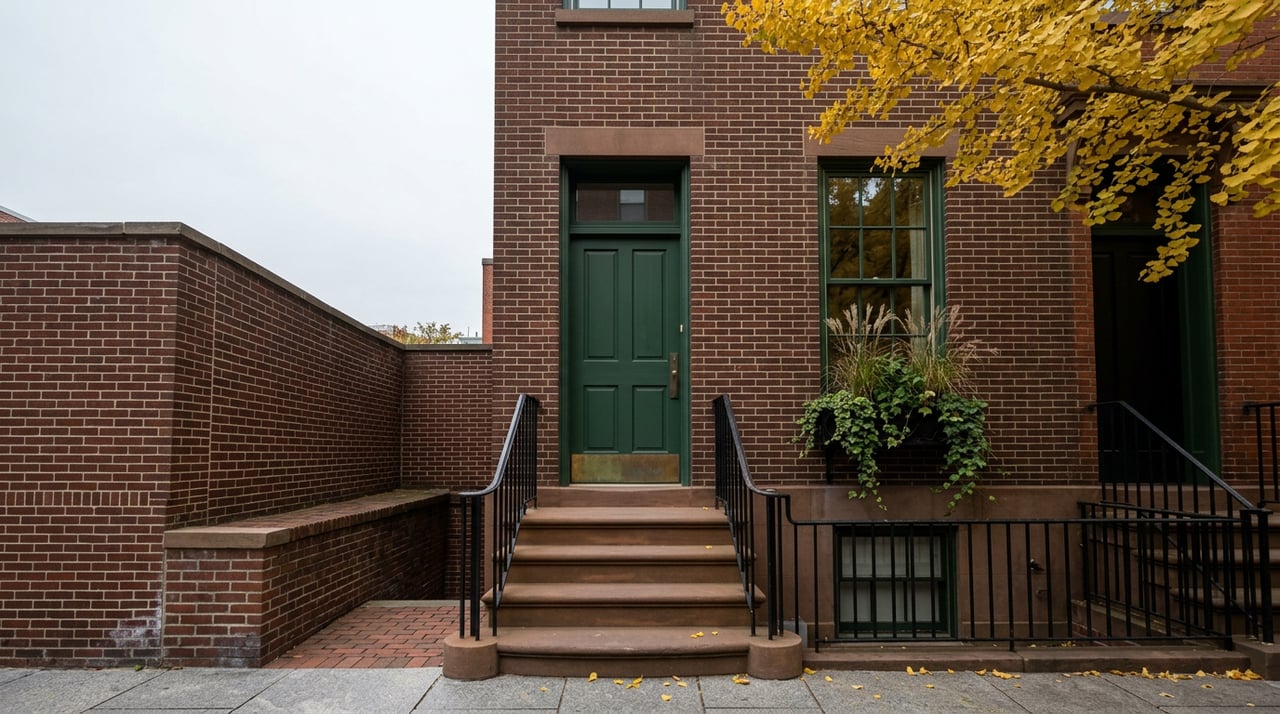
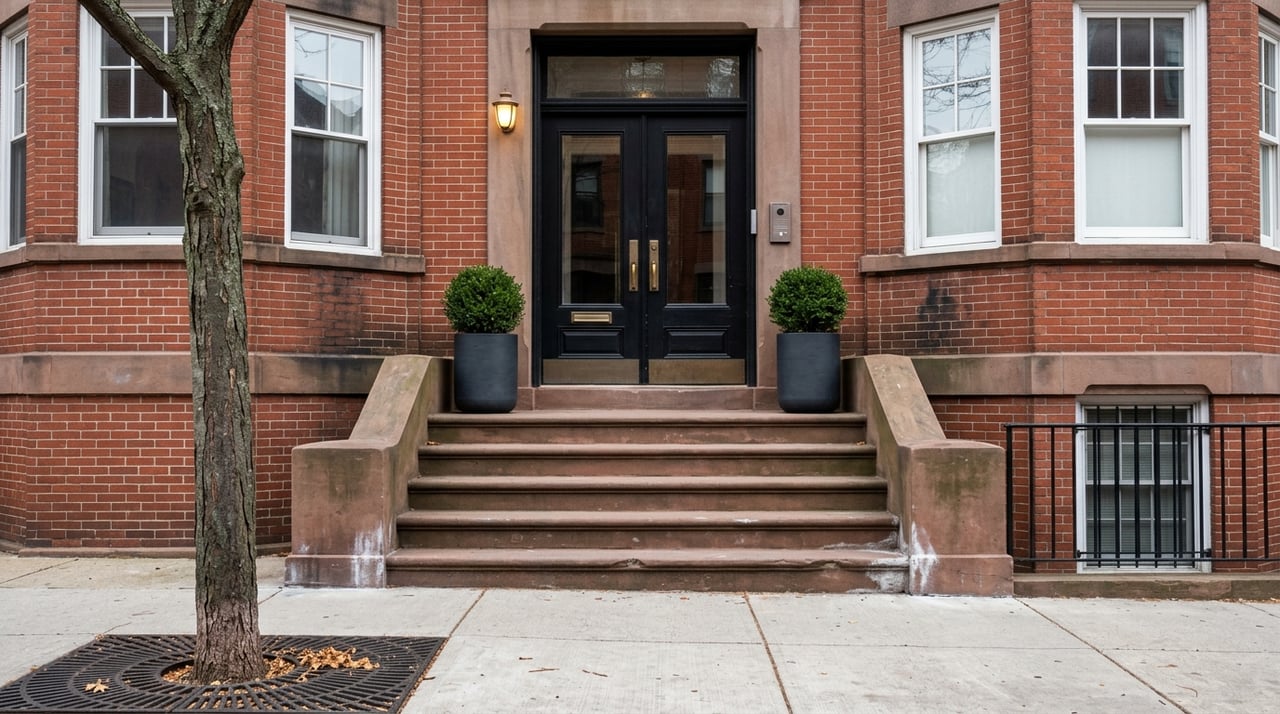
Back Bay and the South End are both historic Boston neighborhoods with strong condo demand, but the feel and housing stock are not the same. Back Bay is known for its planned 19th-century layout, landmark buildings, and busy retail corridors along Newbury and Boylston. The South End is known for Victorian red-brick rowhouses, nearly 30 parks, and a more block-by-block residential feel around streets like Tremont, Columbus, and Mass Ave.
For many buyers, the choice comes down to price point, building type, and lifestyle fit. Back Bay often appeals to buyers who want a classic central Boston address or a full-service luxury building. The South End often appeals to buyers who want more brownstone character, loft options, or a wider range of price points.
Compare condo prices first
If budget is your starting point, the current price gap matters. In June 2026, Back Bay has 138 condos for sale with a median listing price of $1.48 million. South End has 184 condos for sale with a median listing price of $999,000.
That does not mean every Back Bay condo is out of reach or every South End condo is a bargain. It does mean Back Bay is currently the more expensive market at the median, while South End offers a broader choice set at lower and mid-range price points.
What your money may buy in Back Bay
Back Bay inventory ranges from compact studios in classic buildings to luxury residences in amenity-heavy towers. Current examples include a 175-square-foot studio at 290 Commonwealth listed at $399,900, a one-bedroom brownstone residence on Beacon with deeded parking, and a two-bedroom at One Dalton listed at $3.395 million with high monthly HOA dues and full-service amenities.
In practical terms, Back Bay buyers often weigh location prestige and building services against unit size. A smaller condo in a prime location may cost more than a larger home in the South End. That is why price per lifestyle matters as much as price alone.
What your money may buy in South End
South End inventory also includes luxury product, but the middle of the market is shaped more by brownstones, lofts, and boutique buildings. Current examples include a one-bedroom brownstone unit with $164 monthly HOA dues, a top-floor two-bedroom on Tremont with $556 monthly HOA dues, loft-style units around Fay Street, and newer amenity buildings such as 100 Shawmut.
For many buyers, South End creates more flexibility. You may find more interior space, a different building style, or a lower monthly fee at a similar budget. That makes it especially worth a close look if you want options.
Building style can shape daily life
Price gets attention, but building type often shapes how your condo actually feels to live in. Back Bay and the South End have different housing patterns, and those differences can affect everything from stairs to storage to shared expenses.
Back Bay has a stronger mix of classic rowhouses, elevator buildings, and a few luxury towers. South End leans more toward Victorian brownstones, boutique associations, and loft or converted-building product around SoWa and Washington Street.
Why Back Bay may fit you better
Back Bay may be a better fit if you want a more formal building mix or if you like the option of a full-service condo with concierge, valet, gym, or spa amenities. It is also a natural choice if being close to Newbury Street, Boylston Street, Copley, the Prudential Center, or the Charles River edge is a big part of your ideal routine.
You may also find that Back Bay offers a more distinct split between low-fee historic buildings and high-fee luxury towers. That gives you two very different ownership models within the same neighborhood.
Why South End may fit you better
South End may be a better fit if you want brownstone charm, a loft-like layout, or a more neighborhood-oriented daily feel. Boston describes the area through its historic residential blocks, parks, arts, restaurants, and main streets, and that pattern often shows up in the condo stock as well.
If you like boutique buildings, top-floor brownstone units, or a setting near SoWa and local parks, South End may feel more aligned with your goals. Many buyers also appreciate that the neighborhood offers a broad mix of older and newer condo product.
HOA dues tell part of the story
Monthly condo fees are not just a line item. They often reveal how a building operates and what level of service you are buying into.
In Back Bay, current listings show a wide range. Some professionally managed buildings carry relatively modest monthly fees, while luxury towers can have dues in the thousands each month. One Dalton, for example, is listed with monthly HOA dues of $3,673 and includes full-service amenities.
South End shows a similar range, but many brownstone and boutique listings fall into a lower or mid-fee category. Examples in current listings include $164 monthly HOA dues at 82 East Brookline and $556 monthly HOA dues at 692 Tremont, while larger amenity buildings can run much higher.
How to think about condo fees
In general, lower dues often mean fewer services and more owner responsibility. Higher dues often support more professional management, stronger amenity packages, and sometimes parking or concierge support.
That does not make one option better than the other. It simply means you should ask what the fee covers and whether it matches how you want to live.
Historic rules matter more than many buyers expect
Both Back Bay and the South End sit within historic districts, and that can affect exterior changes. This is important if you are buying a condo with plans to update windows, decks, roofing, or other visible exterior elements.
In Back Bay, proposed exterior work is subject to review by the Back Bay Architectural District Commission before work begins. In the South End, the Landmark District Commission reviews proposed exterior work on front facades, visible rooftop work, and side or rear elevations that face a public way.
For condo buyers, this means renovation plans may involve more than just HOA approval. If exterior changes are part of your vision, it is smart to understand both the condo association rules and the local historic review process before you buy.
Parking should be a real filter
If you own a car, parking may be one of the biggest factors in your condo search. In both neighborhoods, parking is best treated as a building-level issue, not a neighborhood promise.
Boston’s resident parking program gives access to resident-only street parking, but permits are neighborhood-specific. The city is not accepting petitions for new resident permit locations, and visitors do not get visitor permits. In Back Bay, the city converted 125 meters in March 2024, creating 123 resident permit spaces and 25 overnight resident permit spaces.
When deeded parking is worth prioritizing
Some condos in both neighborhoods include deeded, garage, or valet parking, while many do not. If you drive often, host guests regularly, or simply want less hassle, deeded parking can be one of the most valuable search filters you use.
This is one area where the specific condo often matters more than whether you choose Back Bay or the South End. A great unit with the right parking setup may beat a favorite neighborhood without it.
Lifestyle fit may decide it
Once you narrow price, building type, and parking, lifestyle often becomes the deciding factor. Both neighborhoods are highly walkable, but they create different rhythms.
Back Bay tends to feel more retail- and landmark-centric. Daily life may revolve around Newbury Street, Boylston Street, Commonwealth Avenue, Copley, the Public Garden edge, and major buildings and destinations.
South End tends to feel more neighborhood-oriented. Daily life often centers on brownstone-lined blocks, restaurant corridors, local parks, SoWa, and a more residential street pattern.
Choose Back Bay if you want
- A higher-end central Boston address
- Access to classic rowhouses and luxury towers
- Proximity to Newbury, Boylston, Copley, and landmark destinations
- More interest in full-service amenities
- Comfort with a higher median price point
Choose South End if you want
- More variety at lower and mid-range price points
- Brownstone, loft, or boutique-building character
- A stronger residential block feel
- Better odds of finding more space at a similar budget
- Easy access to parks, restaurant rows, and SoWa-style surroundings
A smart way to make the decision
If you are still torn, try comparing the neighborhoods in this order:
- Set your true budget, including HOA dues.
- Decide whether parking is optional or non-negotiable.
- Choose your preferred building style, such as brownstone, elevator building, loft, or full-service tower.
- Think about your daily routine and where you want to spend most of your time.
- Review any renovation goals, especially if exterior changes matter to you.
This approach usually makes the answer clearer. The best condo is not just the one in the best-known neighborhood. It is the one that fits how you actually want to live.
If you want help comparing specific Back Bay and South End condos, working through HOA tradeoffs, or narrowing the search by parking, building type, and budget, Boston Real Estate Pros can help you make a confident choice.
FAQs
How do Back Bay and South End condo prices compare?
- As of June 2026, Back Bay has a median condo listing price of $1.48 million, while South End has a median condo listing price of $999,000.
Which neighborhood has more condo listings, Back Bay or South End?
- In the June 2026 snapshot, South End has more condo listings, with 184 for sale compared with 138 in Back Bay.
Are Back Bay and South End both historic districts?
- Yes. Both neighborhoods are historic districts, and exterior changes may require review by the relevant local commission.
Is parking easier in Back Bay or South End for condo owners?
- Parking depends more on the specific building and whether a unit includes deeded, garage, or valet parking than on the neighborhood alone.
What type of condo buyer may prefer Back Bay?
- Back Bay may suit buyers who want a classic central Boston address, a more formal building mix, or access to full-service luxury options.
What type of condo buyer may prefer South End?
- South End may suit buyers who want more brownstone or loft character, a broader range of price points, and a more neighborhood-oriented feel.