If you are thinking about buying a condo in Jamaica Plain, you are probably asking a bigger question than square footage or finishes. You want to know what daily life actually feels like once you live there. In JP, condo ownership is less about high-rise living and more about how your block connects to parks, transit, and neighborhood business districts. Let’s dive in.
Condo Living Feels Human-Scaled
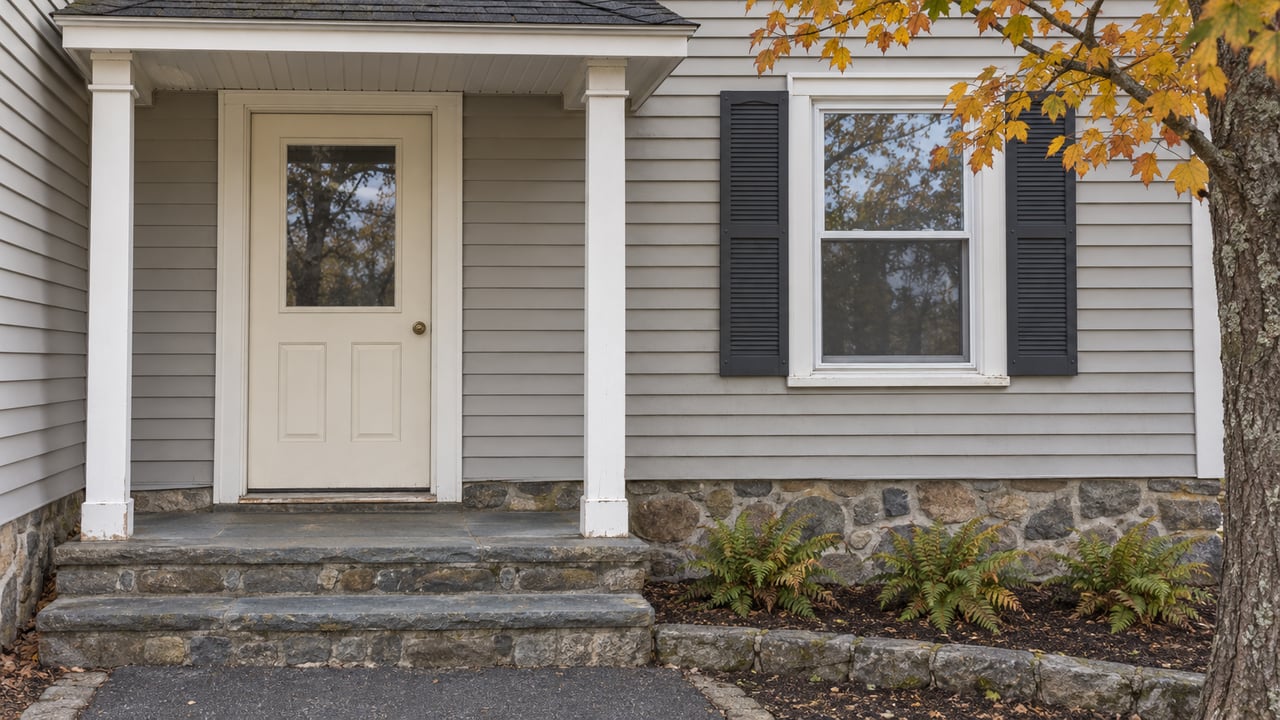
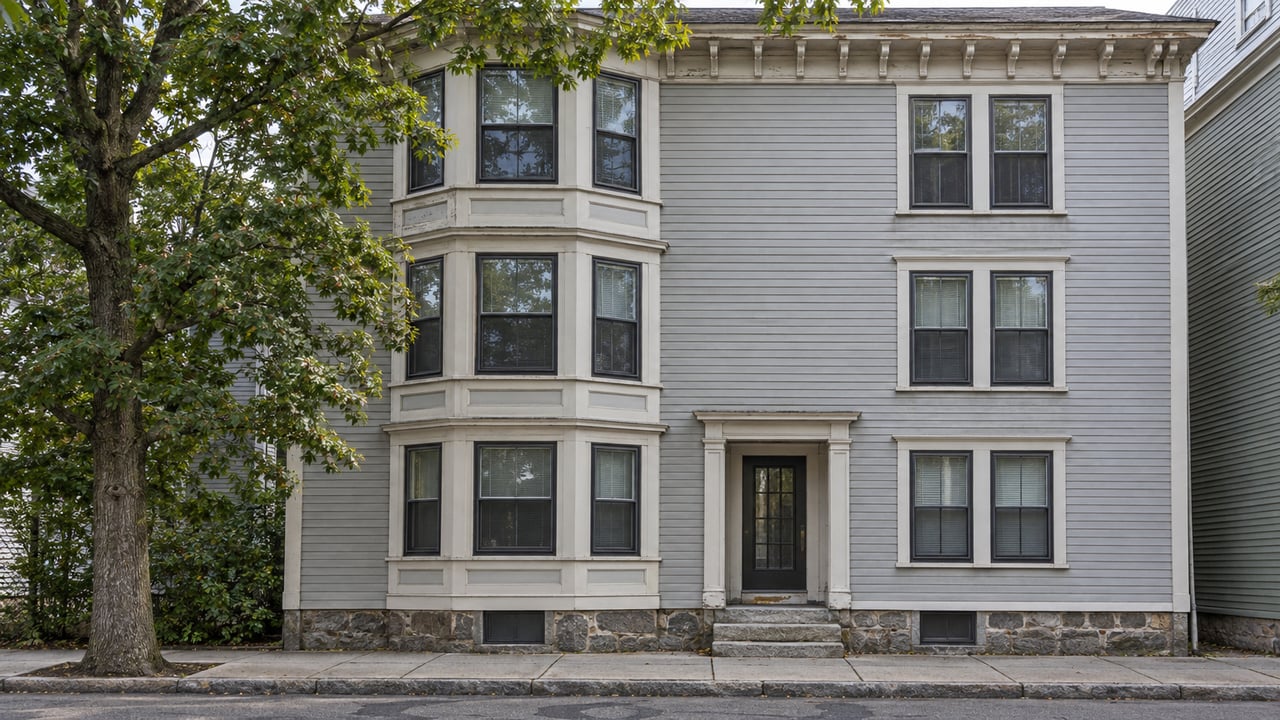
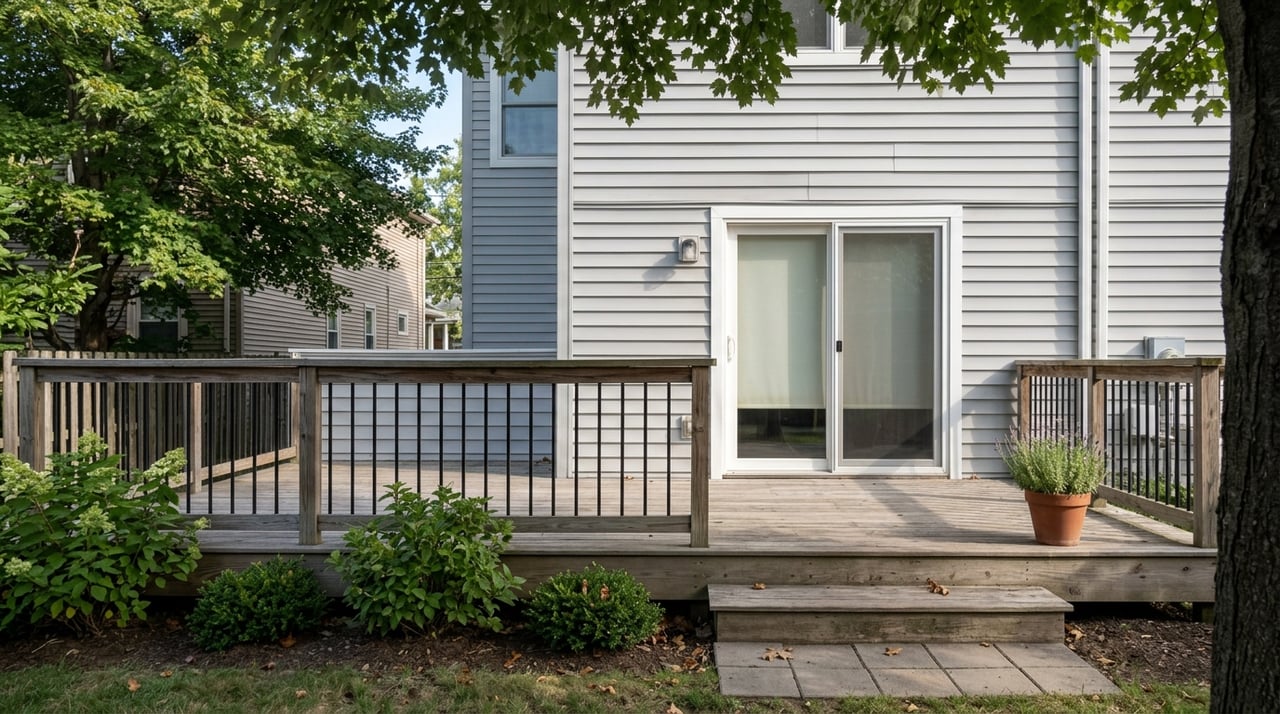
One of the first things you notice about Jamaica Plain is that it does not feel dominated by towers. Boston Planning describes JP as a classic streetcar suburb, and the neighborhood is still closely associated with triple-decker housing. For you as a condo owner, that often means a smaller-scale, more neighborhood-based experience.
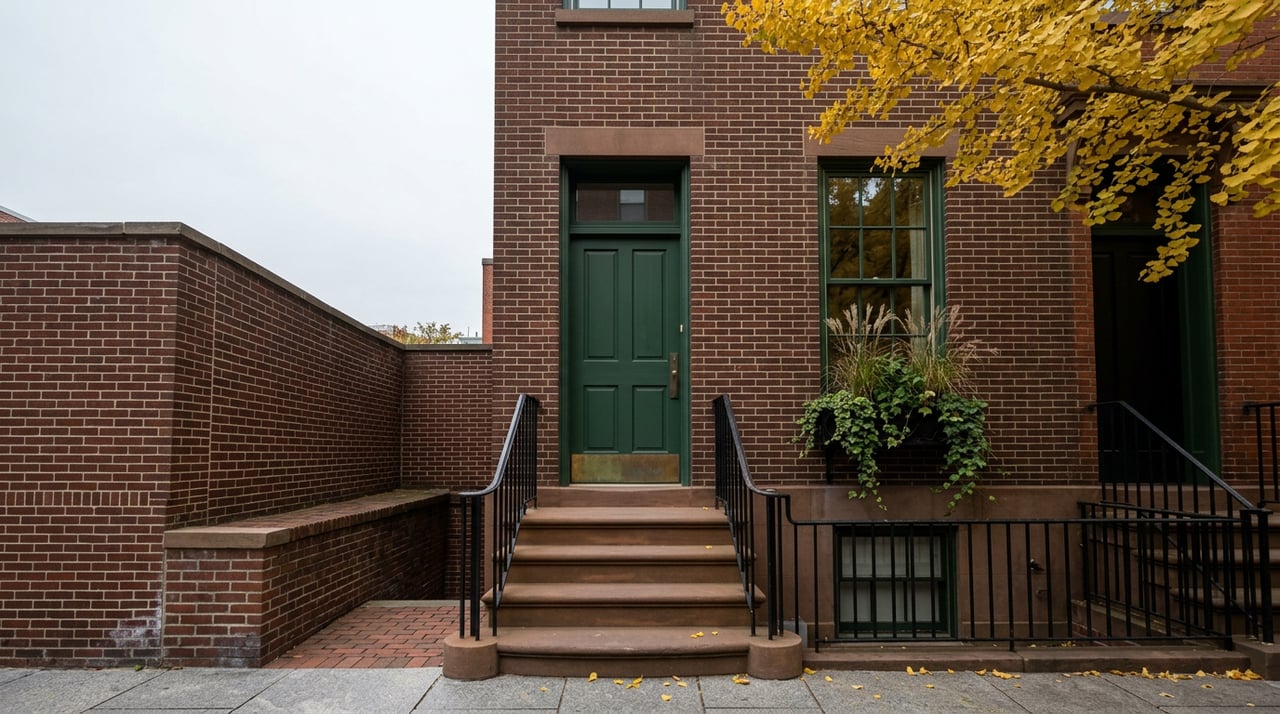
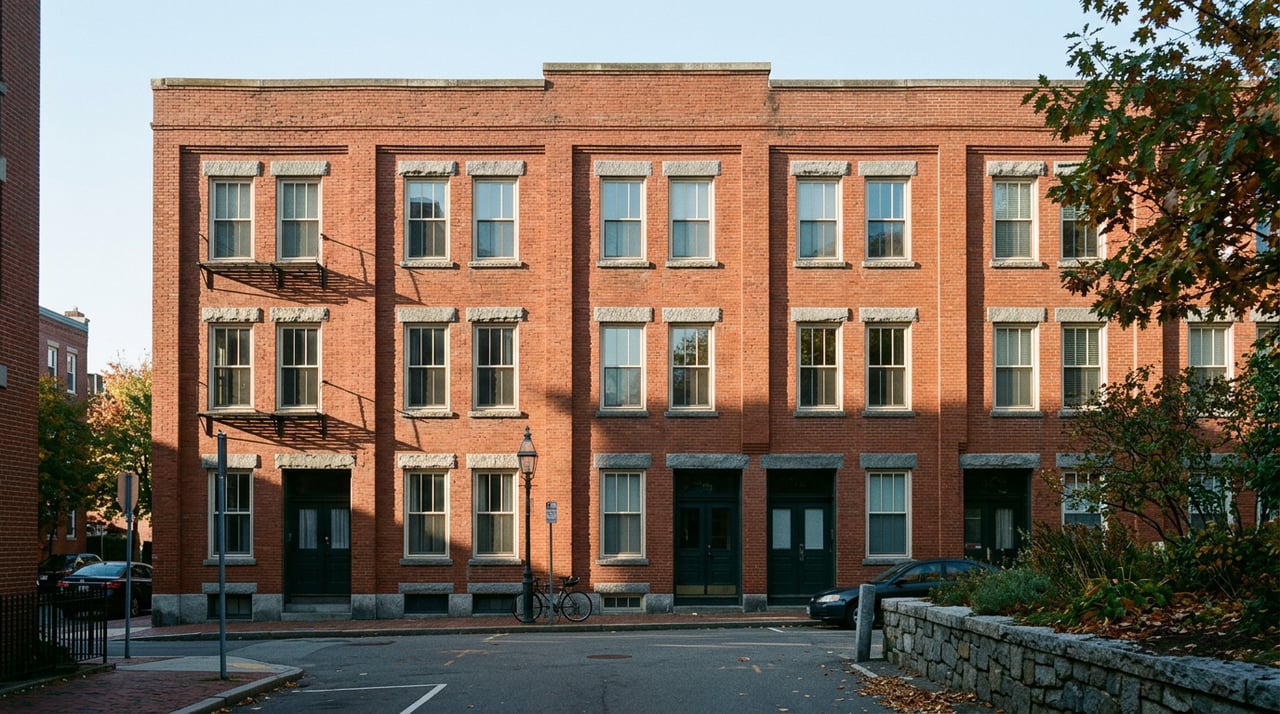
That can shape everything from your street view to your sense of community. Instead of entering a large building with dozens of units, you may be in a low-rise property on a residential street with a more intimate feel. In many parts of JP, condo living blends city access with a residential rhythm.
The housing market can also feel competitive. The City’s Community Preservation Act plan reports a 3.71% housing-vacancy rate in Jamaica Plain, which it says is the lowest in Boston. For buyers, that helps explain why well-positioned condos can draw strong interest.
Green Space Becomes Part of Your Routine
A major part of condo life in Jamaica Plain is how easy it is to build outdoor time into your week. JP is surrounded by well-known parks and green spaces that support everything from morning walks to weekend recreation. If you value easy access to nature without leaving the city, this is one of the neighborhood’s biggest strengths.
Arnold Arboretum Access
The Arnold Arboretum is a defining amenity for the neighborhood. Harvard describes it as a 281-acre preserve that is free and open every day, with more than 15,000 accessioned plants. For many condo owners, that means a simple way to add open space, walking routes, and seasonal scenery to everyday life.
Jamaica Pond Lifestyle
Jamaica Pond offers a different kind of outdoor experience. Mass.gov describes it as a 65-acre great pond with shoreline footpaths, and Boston says people use it for concerts, rowing, sailing, fishing, running, and biking. If you want a neighborhood where outdoor recreation feels close at hand, Jamaica Pond is a real lifestyle asset.
Franklin Park and Other Green Space
Franklin Park gives you access to a much larger recreational setting. Boston calls it the city’s largest open space at 485 acres, with trails, fields, golf, the zoo, and other recreation. The Southwest Corridor adds another layer, with Boston Green Links describing it as a 4.7-mile linear park connecting Jamaica Plain, Roxbury, and Downtown Boston.
Green space in JP goes beyond the headline destinations. Boston.gov describes Forest Hills Cemetery as a historic 275-acre cemetery, greenspace, arboretum, and sculpture garden, while the City’s urban-wilds page notes that Bussey Brook links the Forest Hills and Arboretum area with a stonedust path. Depending on where you buy, your condo may feel surprisingly park-adjacent while still staying connected to shops and transit.
JP Has A Strong Neighborhood Commercial Spine
Jamaica Plain is not just residential. Boston says the neighborhood is surrounded by main-street business districts, with local businesses, shops, and restaurants that can fill a weekend afternoon or a night out. That mix is part of what gives condo ownership here an active urban-neighborhood feel.
Hyde and Jackson Square
Hyde and Jackson Square have one of the clearest commercial identities in the neighborhood. The City says the Latin Quarter cultural district includes more than 125 businesses, with 65% immigrant-owned, and is known for Latino specialty shops, restaurants, and businesses. If you enjoy living near active commercial areas, this part of JP offers a lot of daily convenience and local character.
Centre and South Streets
The Centre and South corridor works as an everyday commercial backbone for many residents. Boston Main Streets says the JP Centre/South district is spread along Centre Street’s restaurant scene, and city planning work has focused on the stretch between Hyde Square and Forest Hills Station. Public investment in bike lanes and streetscape work also reinforces the sense that this is a well-used, lived-in corridor.
For you as a condo owner, that can translate into practical convenience. It may be easier to combine errands, dining, and commuting within a compact area. In a neighborhood like JP, that kind of day-to-day ease matters.
Your Exact Pocket Matters
One of the most important things to know about owning a condo in Jamaica Plain is that the experience changes block by block. The neighborhood has a strong overall identity, but different pockets can feel more active, more transit-oriented, or more residential. That makes location within JP almost as important as the condo itself.
Areas near Hyde Square, Jackson Square, and parts of Centre Street tend to feel busier and more commercial. Forest Hills stands out as the strongest transit node. Sumner Hill, Pondside, and Stony Brook lean more residential based on the neighborhood’s official pocket map, transit map, and business-district descriptions.
If you are drawn to a quieter, more historic-feeling setting, Sumner Hill offers a useful contrast. Boston notes that the Loring-Greenough House in Sumner Hill is the last surviving 18th-century residence in that part of JP, and seasonal tours help underscore the area’s historic identity. That does not define every block, but it helps explain why some sections feel calmer than others.
Car-Light Living Is A Real Option
If transportation flexibility matters to you, Jamaica Plain stands out within Boston. Boston Planning says the main transit hub is Forest Hills Station and that the neighborhood is easily accessible by the Southwest Corridor, MBTA trains, and buses. A city planning report for JP and Roxbury says the area has access to four MBTA stations: Forest Hills, Green Street, Stony Brook, and Jackson Square.
Route 39 is also a key connection. The same planning report notes that it links Forest Hills to Back Bay while serving Jamaica Plain. For condo owners who want access to different parts of Boston without relying on a car every day, that kind of transit coverage is a meaningful advantage.
Biking is also part of how many residents move around. Boston Planning says 6% of JP residents commute by bicycle, the highest share in Boston. The City’s Bluebikes planning materials show strong trip activity at stations including Hyde Square, Jackson Square, Forest Hills, Stony Brook, and Green Street.
That does not mean every condo owner will live car-free. It does mean JP gives you more flexibility than many neighborhoods. Depending on your exact location, you may be able to build a lifestyle around walking, transit, biking, or some mix of all three.
What Condo Owners Often Appreciate Most
When you put the pieces together, Jamaica Plain condo life is best understood as city living with a greener edge. You get access to major parks, an active commercial spine, and strong transit connections, but the neighborhood still feels more human-scaled because so much of the housing stock is low-rise. That balance is a big part of JP’s appeal.
For some buyers, the biggest draw is routine access to green space. For others, it is the ability to live near restaurants, local businesses, and multiple transit options without giving up a residential feel. In either case, JP offers a version of condo ownership that feels distinctly neighborhood-oriented.
The main tradeoff is that the experience is highly location-specific. A condo near Jamaica Pond may feel very different from one near Jackson Square or Forest Hills. That is why it helps to evaluate not just the unit, but also the street, nearby transit, commercial access, and park proximity.
If you are weighing condo options in Jamaica Plain, a local perspective can help you compare those micro-locations in a practical way. To talk through neighborhoods, condo layouts, and what fits your goals, schedule a consultation with Boston Real Estate Pros.
FAQs
What is condo living like in Jamaica Plain, Boston?
- Condo living in Jamaica Plain usually feels smaller-scale and neighborhood-based, with many homes tied to low-rise and triple-decker housing rather than tower buildings.
Does Jamaica Plain have good parks for condo owners?
- Yes. Jamaica Plain offers access to the Arnold Arboretum, Jamaica Pond, Franklin Park, the Southwest Corridor, and other green spaces that can become part of your everyday routine.
Is Jamaica Plain good for living without a car?
- Jamaica Plain offers strong car-light potential thanks to Forest Hills Station, Green Street, Stony Brook, Jackson Square, Route 39 bus service, bike activity, and Bluebikes usage.
Which parts of Jamaica Plain feel different for condo buyers?
- Hyde Square, Jackson Square, and parts of Centre Street tend to feel more active and commercial, while Forest Hills is a major transit hub and areas like Sumner Hill, Pondside, and Stony Brook tend to feel more residential.
Why does pocket location matter for a Jamaica Plain condo?
- Pocket location matters because condo life in JP can change significantly from block to block based on transit access, nearby parks, and closeness to commercial districts.