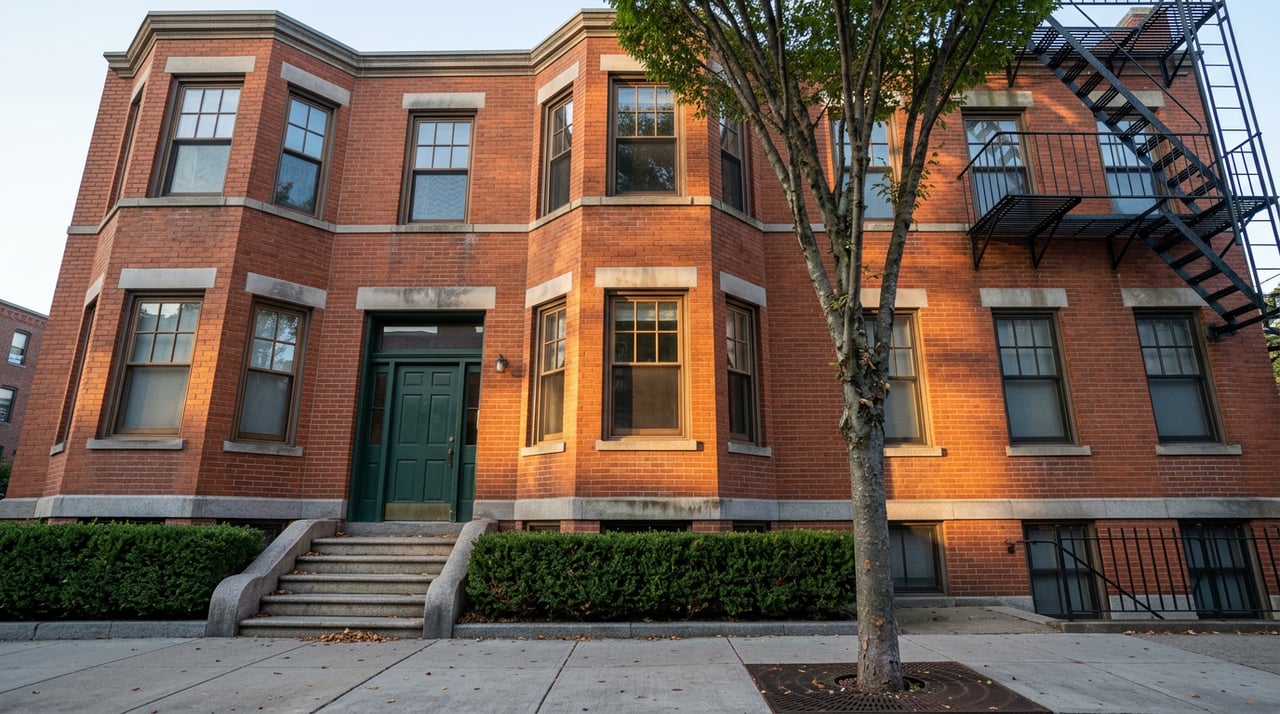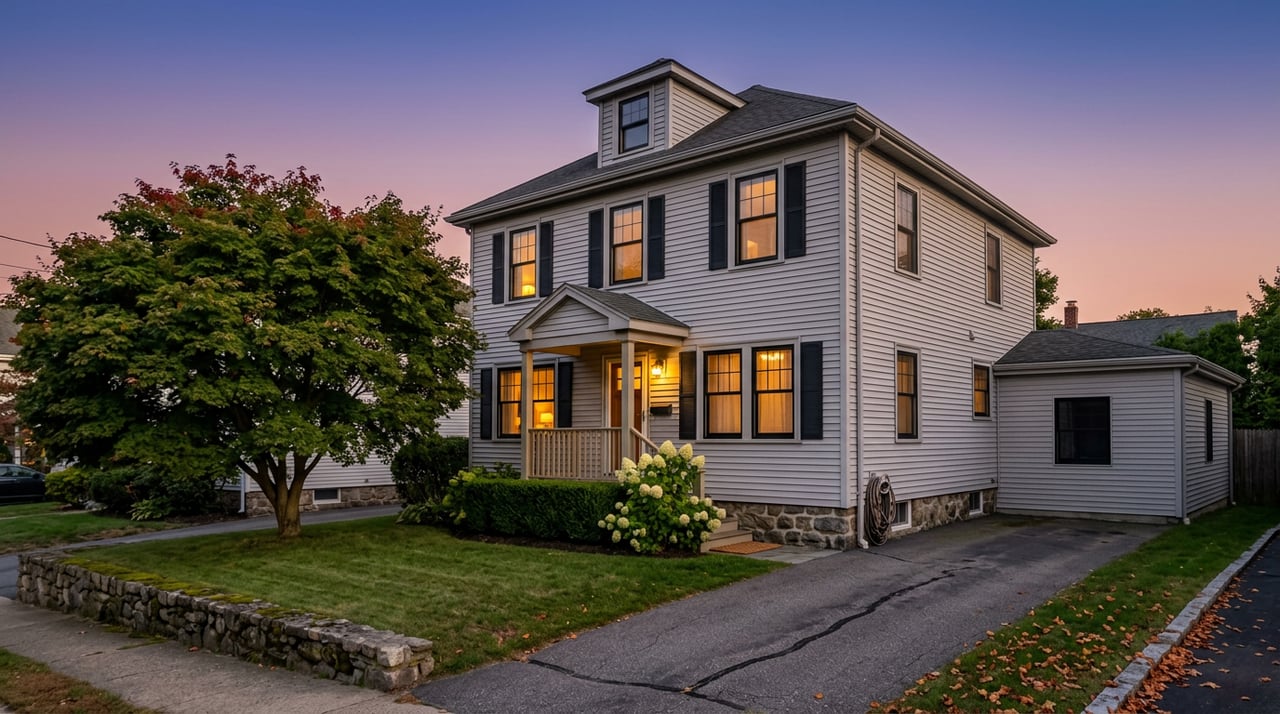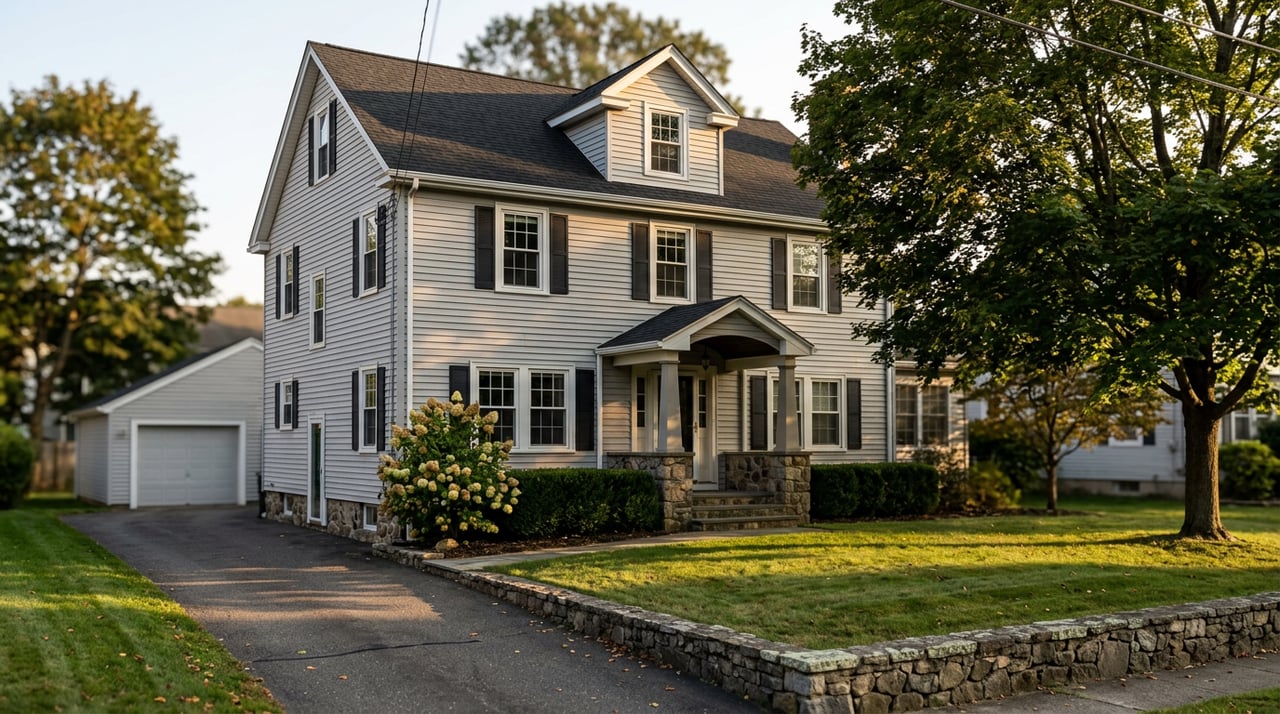
If you are planning to pre-sell a condo project in Cambridge, timing and presentation matter just as much as location. Buyers in this market move quickly, but they also expect clear information, strong visuals, and a launch that feels credible from day one. A smart pre-sale strategy can help you reduce absorption risk, protect pricing, and build momentum before the first closing. Let’s dive in.
Why pre-selling works in Cambridge
Cambridge remains one of the region’s higher-priced condo markets, which makes pre-sales especially useful for developers who want to manage risk. Recent market snapshots showed 137 condos for sale with a median listing price of $867,000, while homes were typically spending about 29 days on market and receiving two offers on average. A broader city snapshot put the median sale price at $1.2 million over the latest three-month period.
That pricing environment creates opportunity, but it also raises the stakes. Buyers at these price points tend to compare carefully, and they expect a polished product story before they commit. For a developer, that means pre-selling is not just about taking reservations. It is about proving value early and creating confidence in the project.
Cambridge also has a tight supply picture, even with more proposals in the pipeline. The city estimated 58,966 housing units permitted or completed as of June 30, 2025, and noted around 40 housing proposals of varying scale in 2025 and early 2026. At the same time, the city said private funding for market-rate housing remains difficult, which is one reason pre-sales can be a practical part of cash flow and absorption planning.
Start with the real launch date
One of the biggest mistakes developers make is treating the marketing launch as the project launch. In Cambridge, the true launch date often depends on how secure your entitlement, advisory review, and permit path really is.
Cambridge adopted citywide multifamily zoning in February 2025. The city says all residential neighborhoods are now zoned Residence C-1, all housing types are allowed, multifamily buildings can rise to four stories by right, and lots over 5,000 square feet can support residential buildings up to six stories if 20% of the residential floor area is inclusionary housing. Even with those changes, other standards still apply, including climate resilience, inclusionary housing, green building rules, building codes, historical review, and tree protection.
The city’s 2026 housing review also notes that many smaller projects still go through advisory review, while very large projects of 75,000 square feet of gross floor area or more may require special permits. In practical terms, your sales calendar should follow legal and permitting readiness, not wishful thinking. If approvals are still moving, your marketing should focus on interest generation and relationship building rather than making firm promises too early.
Build your pricing around live data
In Cambridge, pricing should be grounded in current inventory and recent sales, not just pro forma targets. With condo listing prices around $867,000 and broader city sale prices closer to $1.2 million in recent reporting, there is room for strong pricing, but not for lazy pricing.
That is why phased releases often make sense. Instead of setting one public price level for the whole project too early, you can use an initial release to test buyer response, study objections, and refine later pricing. This approach helps preserve flexibility and reduces the risk of anchoring the entire building at the wrong number.
A seasoned project broker can be especially valuable here. The job is not only to distribute listings through MLS and IDX channels, but also to connect pricing to buyer behavior, qualification, and release timing. For small-to-midsize developers, that kind of sequencing can make a meaningful difference in clean absorption.
Create a floorplan mix Cambridge buyers can use
A strong pre-sale campaign starts with a product mix that makes sense for the market. Cambridge buyers are often looking for layout utility, not just square footage. A plan that reads well on paper and feels flexible in real life will usually outperform a unit count strategy that overweights small layouts.
The city’s inclusionary rules matter here. Cambridge says the Inclusionary Housing Program applies to new residential developments or conversions that create 10 or more units or more than 10,000 square feet of residential space, and it requires 20% of residential floor area to be affordable. The city also encourages family-sized units and requires three-bedroom units in the affordable component for developments of 30,000 square feet or larger.
That framework should shape your market-rate planning too. A project with some well-designed two-bedroom homes, select larger units, and flexible rooms will often present better than a studio-heavy lineup. It also gives you more message options across buyer segments, from local move-up buyers to downsizers and professionals who need a home office or guest space.
Lead with design, layout, and sustainability
Cambridge is a market where buyers tend to do their homework. The city has high broadband use, high educational attainment, and a strong local economy, all of which support a more detailed and digital-first marketing approach.
That means your visuals need to do real work. Generic lifestyle copy is not enough. Buyers want to see floorplans, finish schedules, site context, building massing, shared spaces, and practical details that help them understand how the home will live day to day.
This approach also fits Cambridge’s design framework. The city says the 2025 Citywide Urban Design Guidelines and 2025 Multifamily Design Guidelines are referenced in the zoning ordinance and are expected to be used by landowners, developers, and architects. For larger projects, green building requirements can also become part of the story, since Article 22 applies to new construction and substantial renovations of 25,000 square feet or more, and BEUDO applies to projects with 50 or more residential units.
In other words, design quality and sustainability should not be treated as side notes. They belong in the core marketing narrative from the beginning.
Use a four-stage release strategy
For most Cambridge condo projects, a staged release is the most defensible path. It gives you room to gather feedback, control inventory, and adjust as the market responds.
1. Pre-marketing
This stage is about building the audience before the public push begins. You can use a project website, email capture, floorplan previews, renderings, and broker outreach to create an early list of interested buyers.
The goal is not to oversell. The goal is to identify which unit types draw the most attention, what price bands create hesitation, and which message points resonate most.
2. Soft launch
A soft launch lets you test messaging and buyer response with a smaller group. This is the stage where targeted outreach to brokers, past clients, local contacts, and qualified prospects can be especially useful.
For developers, this is also where a hands-on listing partner can help filter noise from real demand. Interest is helpful, but qualified interest is what shapes a reliable pricing and release plan.
3. First public release
Once your materials, approvals, and pricing are ready, the first public release should feel complete and cohesive. MLS exposure should be part of the strategy because it expands reach through syndication and partner sites, but it should not be the only layer.
The project should also have its own story. Buyers should be able to understand the building, compare floorplans, evaluate finishes, and see why one unit is priced differently from another.
4. Follow-on releases
After the first release, buyer feedback becomes one of your best tools. You can study showing activity, inquiry patterns, objection points, and which unit types are moving first.
That information helps guide the next release. In a market like Cambridge, where conditions remain selective even at strong price points, that flexibility can protect both pace and margin.
Keep the building narrative unified
If your project includes both market-rate and inclusionary units, your branding should still feel like one building. Cambridge says inclusionary units must mirror market-rate units in finishes and amenities, and the city prepares an affordable housing covenant once those units are approved.
That matters because fragmented messaging can weaken buyer confidence. The stronger approach is to present one coherent development story with a clear value ladder by unit type, size, floor, exposure, and finish package where applicable. Buyers respond better when the building feels thoughtfully organized rather than divided into separate identities.
Watch the common pre-sale risks
Even strong projects can lose momentum if the sales strategy ignores local friction points. In Cambridge, a few risks come up again and again.
Approval and review delays
Design review, zoning interpretation, historical review, and permit processing can all shift your timeline. If your marketing calendar gets ahead of your approvals, buyer trust can slip quickly.
Overpromising before permit readiness
Cambridge requires inclusionary compliance before a building permit is issued. That means your public messaging should be careful about what is available, when contracts can move forward, and what remains subject to approvals.
Weak visual packages
Cambridge buyers are highly digital. If your renderings are thin, your floorplans are hard to read, or your finish information is vague, absorption can slow even when the location is strong.
Conversion compliance issues
If the project is a condo conversion, legal setup matters. Massachusetts law treats each condo unit as real estate under Chapter 183A, and the project is governed by the master deed, bylaws, and related condominium documents. Occupied-building conversions may also involve tenant notice requirements under Cambridge’s Tenants’ Rights and Resources Notification Ordinance, along with other state-level requirements such as lead paint notification rules for pre-1978 properties.
What developers should prioritize first
If you are preparing to pre-sell in Cambridge, focus on the pieces that directly affect absorption and buyer confidence.
- Lock down your entitlement and permit path before making aggressive public promises
- Build pricing from current Cambridge condo data, not best-case assumptions
- Create a floorplan mix with real layout utility across multiple buyer types
- Invest in renderings, finish sheets, and floorplan storytelling
- Use MLS distribution as one layer within a broader project-specific campaign
- Sequence releases so you can learn from early feedback and adjust intelligently
- Keep the building story unified across all unit types
A successful pre-sale campaign is not just a marketing event. It is a coordinated process that ties together product, timing, compliance, pricing, and presentation.
For small-to-midsize developers, that is where experienced, hands-on guidance can make a real difference. If you are planning a Cambridge condo launch and want a tailored strategy for pricing, positioning, and release timing, schedule a consultation with Boston Real Estate Pros.
FAQs
What does pre-selling a Cambridge condo project mean for developers?
- Pre-selling means marketing and securing buyer interest or contracts before all units are completed, using a strategy built around timing, pricing, approvals, and phased inventory release.
Why is phased pricing useful for Cambridge condo pre-sales?
- Phased pricing helps you test buyer response, avoid locking in the wrong price across the full project, and adjust later releases based on real feedback and current market conditions.
How do Cambridge inclusionary housing rules affect condo project planning?
- In Cambridge, inclusionary requirements can apply to projects with 10 or more units or more than 10,000 square feet of residential space, and they can shape unit mix, timing, and permit readiness.
What marketing materials matter most for Cambridge condo buyers?
- Clear floorplans, strong renderings, finish information, site context, and practical layout details usually matter more than broad lifestyle messaging alone.
What should developers avoid when pre-selling Cambridge condo conversions?
- Developers should avoid launching before legal and compliance details are ready, especially when tenant notices, condominium documents, or pre-1978 lead paint notification rules may apply.