Wondering whether a Boston condo or a small multifamily property is the smarter move? You are not alone. In a city with deep roots in multi-unit housing, these two property types can look similar on the surface but behave very differently once you start comparing pricing, inventory, and day-to-day ownership. This guide breaks down how each market moves in Boston so you can make a more confident decision. Let’s dive in.
Why Boston condos and multifamily move differently
Boston is not a typical housing market. According to the City of Boston, 81% of the city’s housing units are in buildings with two or more units, and Boston holds 27% of the region’s multi-unit housing stock while having only 15% of total units. That matters because condos and multifamily homes are not niche products here. They are a major part of how people buy, own, and live in the city.
Even so, condos and small multifamily properties usually attract different buyers and follow different market patterns. In simple terms, condos tend to offer a more straightforward ownership path, while 2 to 4 unit homes often come with more moving parts. That difference affects demand, pricing, financing, and how quickly properties trade.
Condos: broader buyer pool, simpler ownership
For many Boston buyers, a condo is the more accessible starting point. Condos are often appealing to first-time buyers, downsizers, and owner-occupants who want less maintenance and a simpler ownership structure. National data in the research report notes that 18% of first-time buyers bought a condo in 2023, which helps explain why condos usually draw a wider audience.
Boston’s local affordability picture adds another layer. The city’s Starter Homes work notes that many middle-income households are looking at homes in the $500,000 to $600,000 range, yet only 5% of new market-rate unrestricted two-bedroom condos completed in 2024 sold for $600,000 or less. So while condos may be the simpler path, that does not always mean they feel inexpensive.
The key point is that condos usually have more liquidity. There are simply more buyers who can consider them, and that larger buyer pool tends to support steadier deal flow.
Small multifamily: higher stakes, more complexity
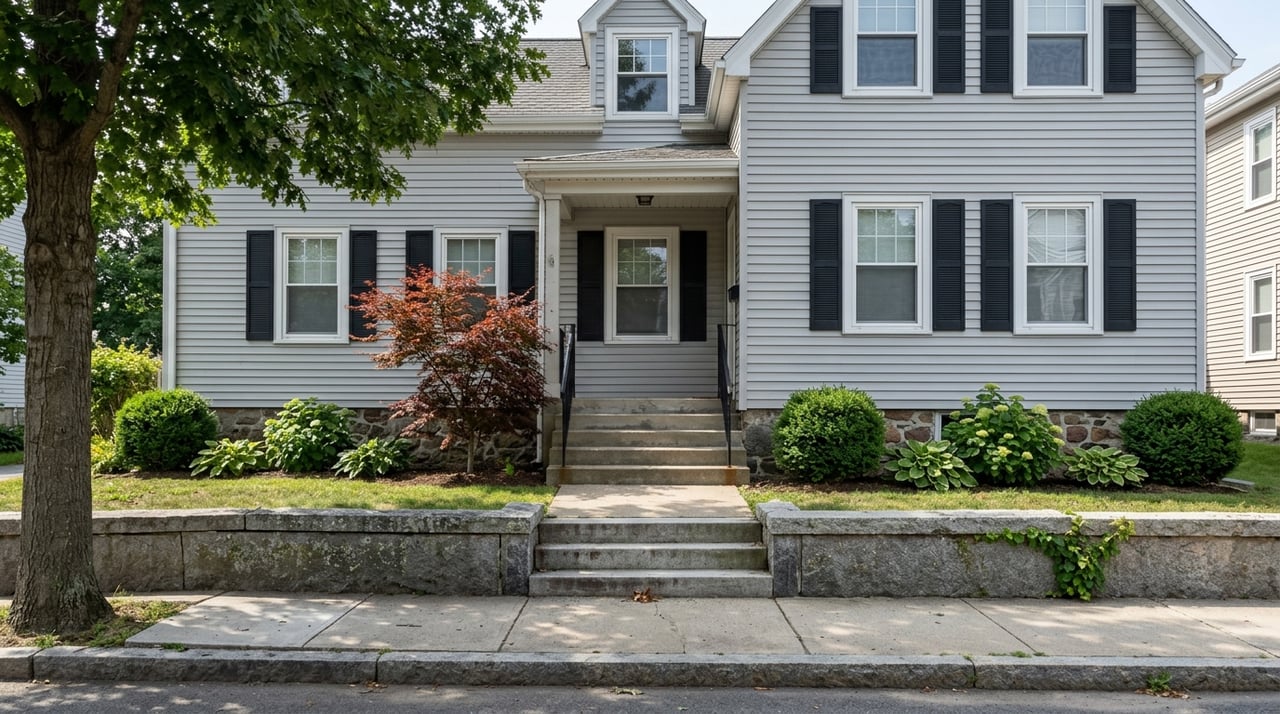
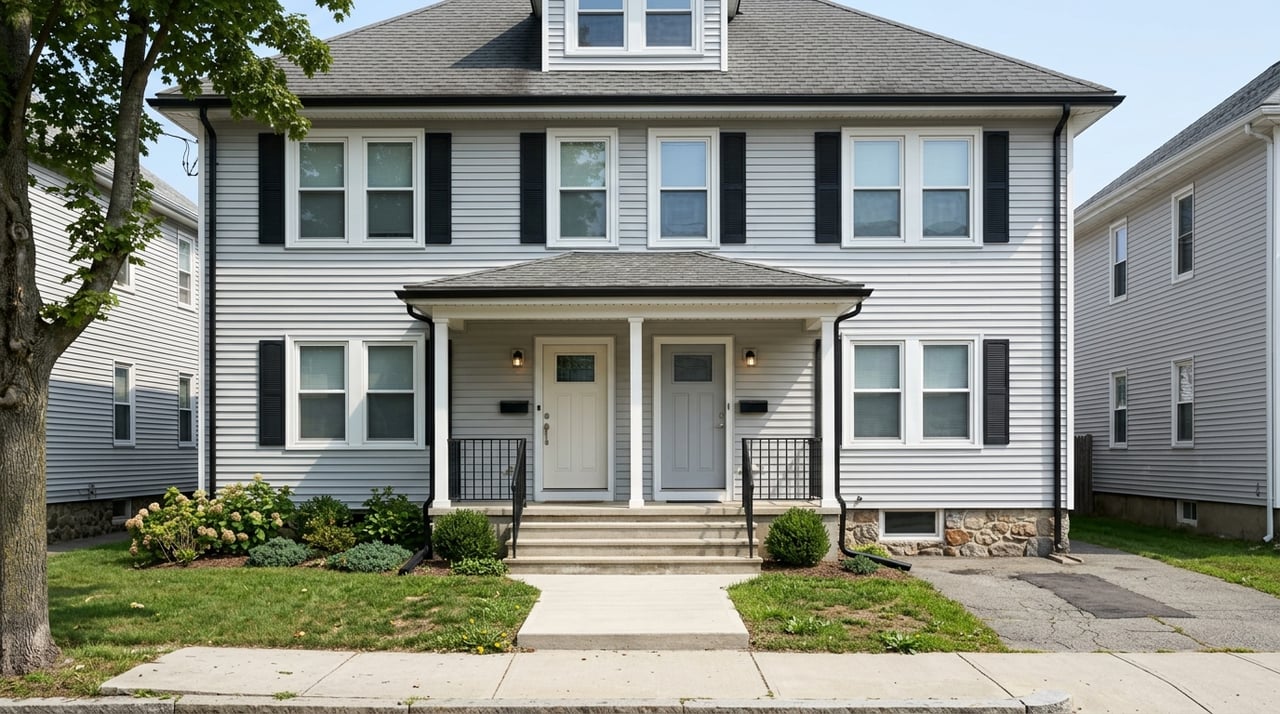
Small multifamily homes, especially Boston’s 2 to 3 unit buildings, play a different role. These properties can work well for buyers who want to live in one unit and use rental income from the others, for co-buyers combining resources, or for households planning around shared ownership. Boston’s co-purchasing pilot was designed specifically to help first-time buyers combine purchasing power to buy multifamily homes as primary residences.
Boston’s housing stock also shapes this segment. The City Council’s 2025 hearing order states that Boston has more than 15,000 existing triple-deckers, and that current zoning has largely blocked the creation of new 2 to 4 unit homes. That makes existing small multifamily inventory especially important and helps explain why supply can stay tight.
For buyers, that means a multifamily purchase is often about more than just finding a place to live. You may be weighing rental income potential, building condition, shared systems, and a higher purchase price all at once. It can be a strong long-term strategy, but it is usually not the easiest ownership path.
What April 2025 data shows
The latest Greater Boston snapshot in the research report gives a clear look at how differently these markets behave. Condos moved in much larger numbers than small multifamily homes, and the price gap was meaningful.
Here is a quick side-by-side view from April 2025:
| Property type | Closed sales | Median price | Active listings | Months of supply |
|---|---|---|---|---|
| Condos | 719 | $732,000 | 2,528 | 3.5 |
| 2-family homes | 83 | $970,000 | 195 | 2.3 |
| 3-family homes | 40 | $1,280,500 | 120 | 3.0 |
That table tells an important story. Condos had far more transactions and far more available inventory. By contrast, 2-family and 3-family homes traded in much smaller numbers and at materially higher median prices.
Boston condos: supply is loosening
In April 2025, condo sales in Greater Boston were down 7.7% year over year, but inventory was up 36.9% and new listings were up 29.0%. At the same time, the median condo price reached $732,000. In other words, supply was improving even while prices kept rising.
For you as a buyer, that may create a little more room to compare options and avoid rushing the first property that hits the market. For sellers, it means presentation, pricing, and positioning matter even more when buyers have more to choose from. In a broader condo field, the best-prepared listing tends to stand out faster.
Small multifamily: tighter supply, thinner market
The small multifamily market is much thinner. In April 2025, there were only 83 closed sales for 2-family homes and 40 for 3-family homes across Greater Boston. That lower volume means each listing can attract strong attention, but it also means the market can feel less predictable from month to month.
Months of supply was 2.3 for 2-family homes and 3.0 for 3-family homes. Both figures suggest a tighter market than condos. When inventory is limited and the number of comparable sales is smaller, pricing often depends more heavily on location, condition, layout, and income potential.
This is one reason small multifamily requires careful analysis. Two properties with similar square footage can perform very differently depending on unit mix, maintenance history, and how easily a future buyer can finance and operate the building.
Larger multifamily moves differently again
The research report also shows why it is risky to talk about all multifamily properties as one category. In April 2025, 4-family homes had just 1 closed sale and 32.7 months of supply. Properties with 5 or more units had 5 closed sales and 12.8 months of supply.
That kind of thin activity can create very uneven market reads. It also supports a practical Boston framework: 2 to 3 family homes often behave more like owner-occupant-plus-rental properties, while larger buildings start to act more like investment property. If you are shopping this category, it helps to know exactly which segment you are really evaluating.
Which property type fits your goals?
The better choice often comes down to what you want your property to do for you.
A condo may fit if you want:
- A simpler ownership structure
- A broader resale market
- Less hands-on property management
- An easier entry point than a larger income-producing asset
If your priority is a home that feels more manageable day to day, a condo often checks that box. It can also be a practical option if you want flexibility in a market with more listings and more transaction activity.
A small multifamily may fit if you want:
- Rental income from one or more units
- Space for co-buying or pooled resources
- A primary residence with income potential
- A property type tied closely to Boston’s traditional housing stock
This path can be attractive if you are comfortable balancing homeownership with building operations. You are not just buying a place to live. You are also taking on a property with income, maintenance, and longer-term strategy considerations.
Why Boston’s housing structure matters
Boston’s market does not exist in a vacuum. The city already has an unusually high share of multi-unit housing, and debates around adding more 2 to 4 unit homes are ongoing. Because current zoning has largely limited new small multifamily development, this segment is likely to remain supply-constrained unless those patterns change.
That gives existing 2 to 4 unit properties a different market profile than condos. Condo inventory can expand through new development and conversion activity, while traditional small multifamily stock is more limited by the city’s built form and policy environment. That structural difference is a big reason these markets do not move in lockstep.
What buyers and sellers should watch
If you are buying, the biggest mistake is treating condos and multifamily homes as if they respond to the same market forces. They do not. A condo search is usually about price point, association structure, and resale liquidity, while a multifamily search often requires a closer look at income potential, building condition, and the realities of owning a more operational asset.
If you are selling, your strategy should match the asset type. Condo buyers are often comparing many options at once, so pricing and presentation need to be sharp. Multifamily buyers may focus more on the building’s setup, condition, and overall opportunity, especially when inventory is limited and the ticket price is higher.
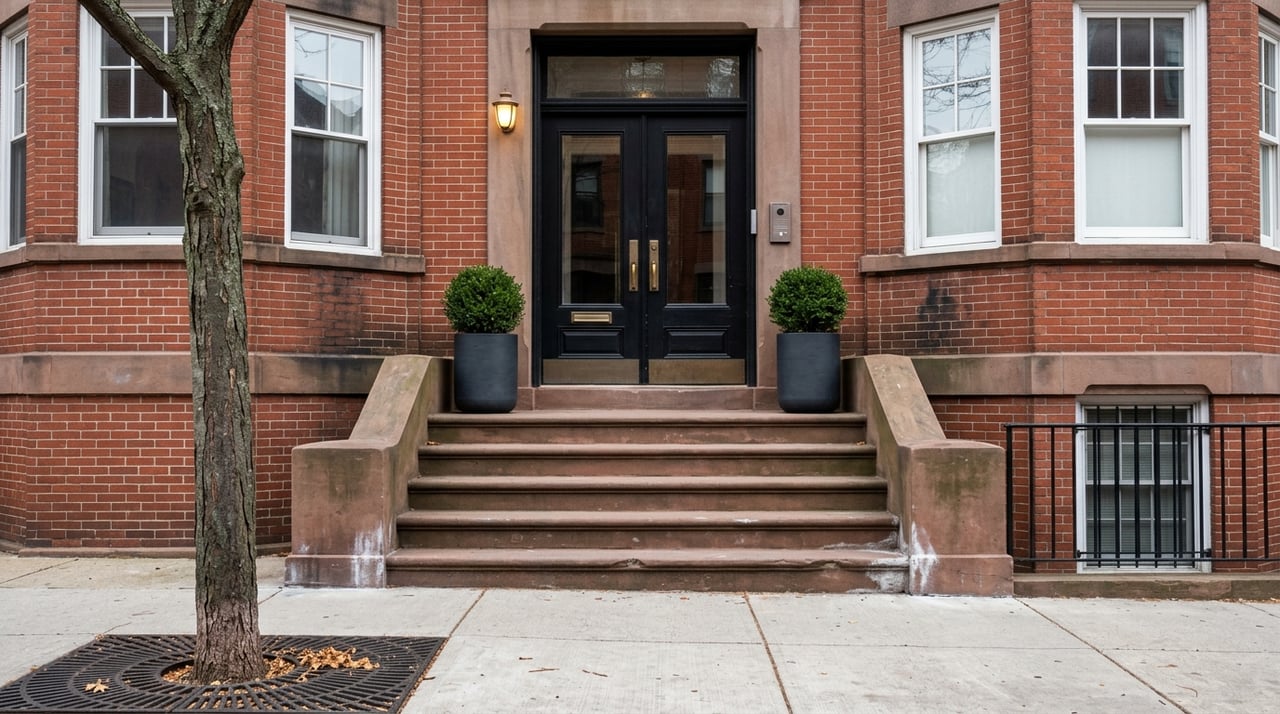
In Boston, that distinction matters because micro-market experience can change how a property is positioned. A Back Bay or North End condo and a South Boston or Dorchester multifamily may both be in the same city, but they attract different buyers and require different conversations.
The bottom line on Boston condos vs. multifamily
In Boston, condos tend to be the simpler, more liquid path. Small multifamily properties tend to be the income-producing, more operational path. The April 2025 data supports that difference clearly: condos trade at much higher volume with a wider inventory base, while 2 to 3 family homes trade less often, cost more, and can be more sensitive to property-specific details.
Neither is automatically better. The right fit depends on your budget, your ownership goals, and how much complexity you are willing to take on. When you understand how each market moves, you can make a decision based on strategy instead of guesswork.
If you are weighing a condo purchase, planning a multifamily sale, or trying to understand which Boston asset type best fits your goals, Boston Real Estate Pros can help you evaluate the numbers, the neighborhood, and the next step with a hands-on local approach.
FAQs
What is the difference between the Boston condo market and the Boston multifamily market?
- Boston condos generally trade in higher volume, have more active listings, and appeal to a broader buyer pool, while small multifamily properties usually have fewer listings, higher median prices, and more operational complexity.
Are Boston condos cheaper than Boston multifamily homes?
- Based on the April 2025 Greater Boston data in the research report, condos had a median price of $732,000, compared with $970,000 for 2-family homes and $1,280,500 for 3-family homes.
Why do Boston 2-family and 3-family homes feel harder to buy?
- Small multifamily homes trade in lower volume, often have tighter supply, and require buyers to evaluate both the home and the building’s income and operating potential.
Who usually buys condos in Boston?
- Condos commonly appeal to first-time buyers, downsizers, and owner-occupants looking for a simpler ownership structure and less maintenance.
Who usually buys small multifamily property in Boston?
- Small multifamily properties often appeal to owner-occupants seeking rental income, co-buyers combining resources, and buyers looking for a primary residence with added income potential.
Why is small multifamily inventory limited in Boston?
- Boston has a large existing stock of older multi-unit buildings, including more than 15,000 triple-deckers, and current zoning has largely blocked the creation of new 2 to 4 unit homes, which helps keep supply constrained.