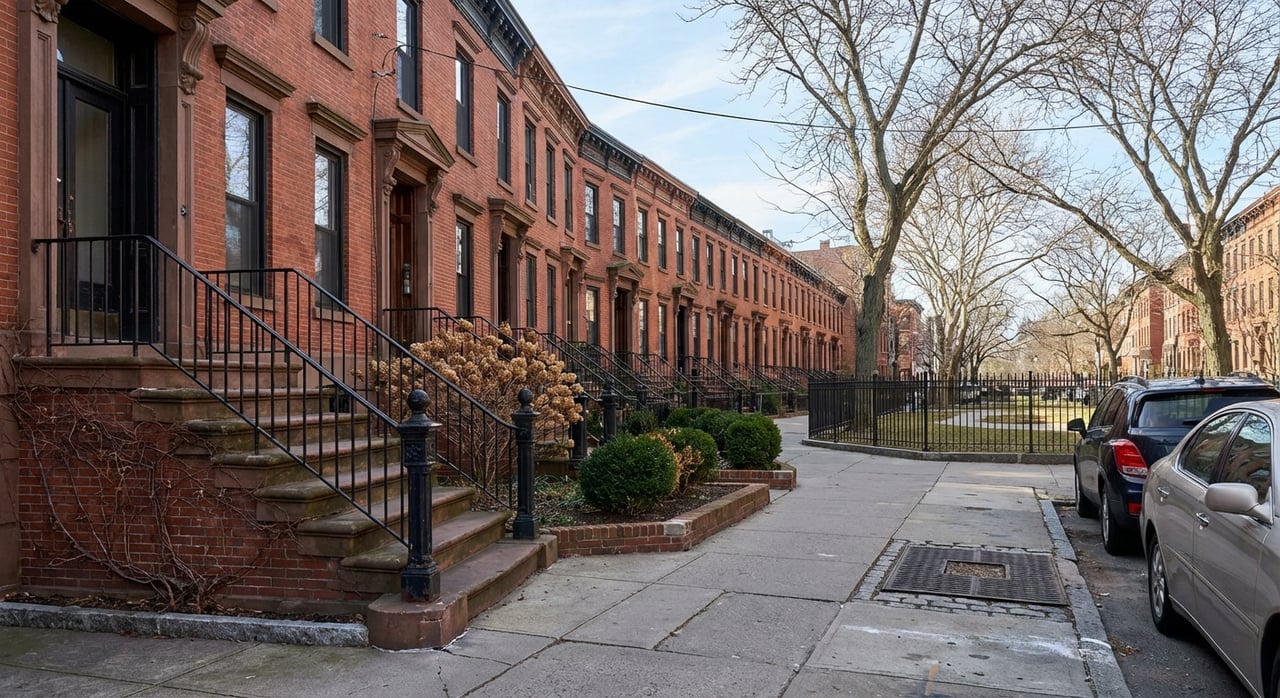
If you picture tree-lined streets of brick and brownstone, lively patios, and weekend art markets, you are already imagining Boston’s South End. You want character, convenience, and a strong dining and arts scene without losing daily comforts like parks and easy commutes. This guide gives you the essentials: housing types and price points, brownstone ownership tips, parks and dog life, SoWa weekends, transit, parking, and what to expect before you buy or rent. Let’s dive in.
Location and feel
The South End sits just south of Back Bay and near Chinatown and Roxbury, with Tremont, Washington, and Columbus Avenues as main corridors. It is highly walkable and close to major job centers and medical campuses, which keeps daily errands and commutes simple. The neighborhood is known as one of the country’s largest intact Victorian row-house districts, and it is listed on the National Register of Historic Places, which explains its cohesive brownstone streetscape and premium feel. You can get a helpful overview of the area on the City of Boston’s South End page.
- Learn more about neighborhood context on the City’s South End overview: City of Boston neighborhood page
- Architectural identity and historic status: BPDA South End at a glance
Housing and prices at a glance
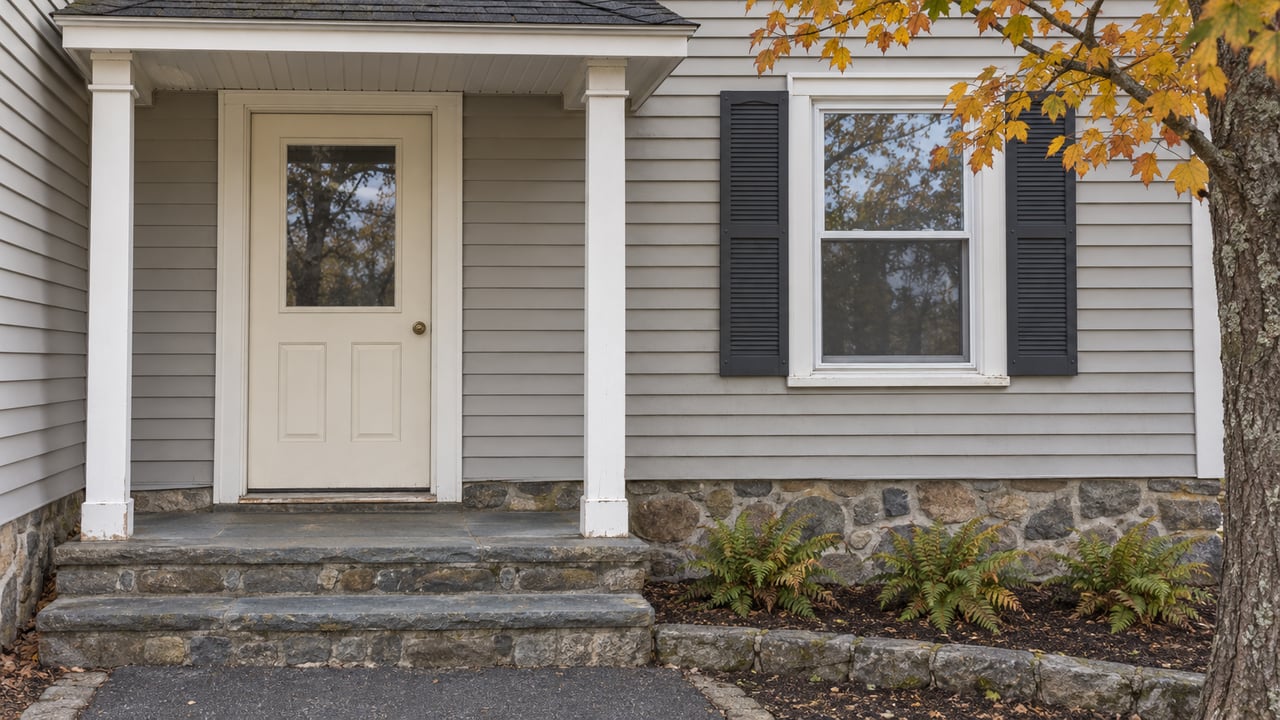
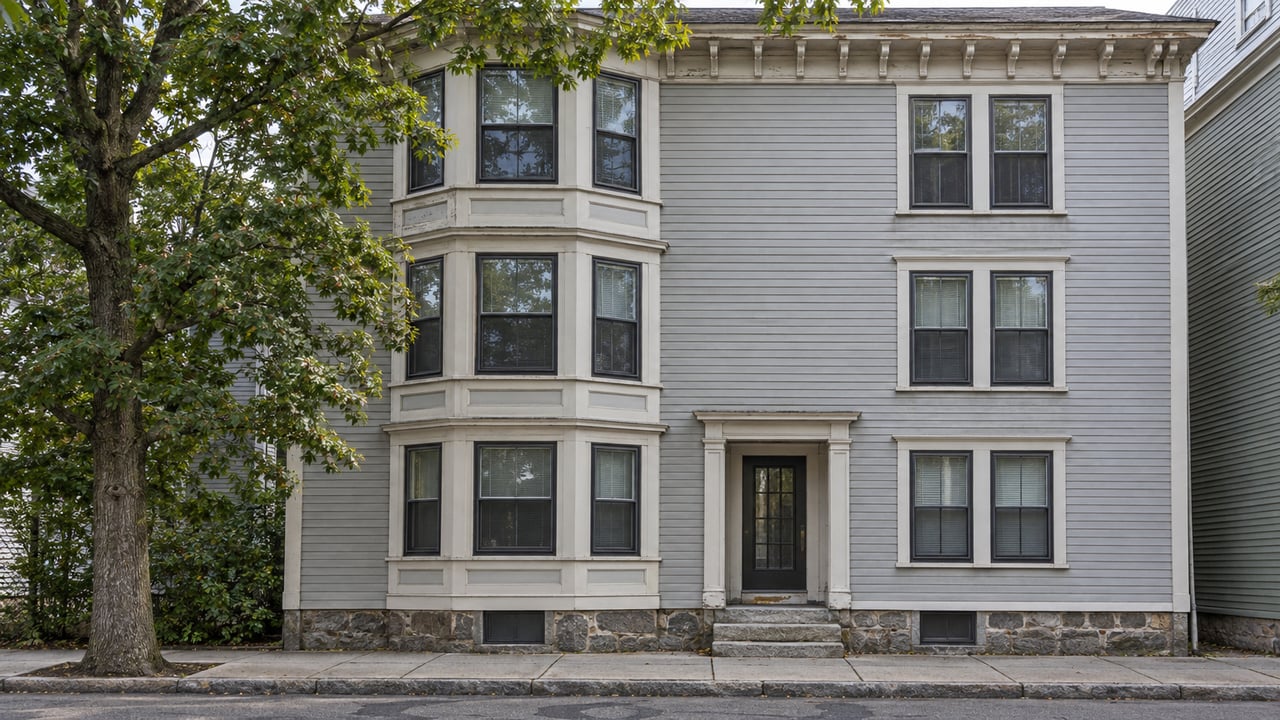
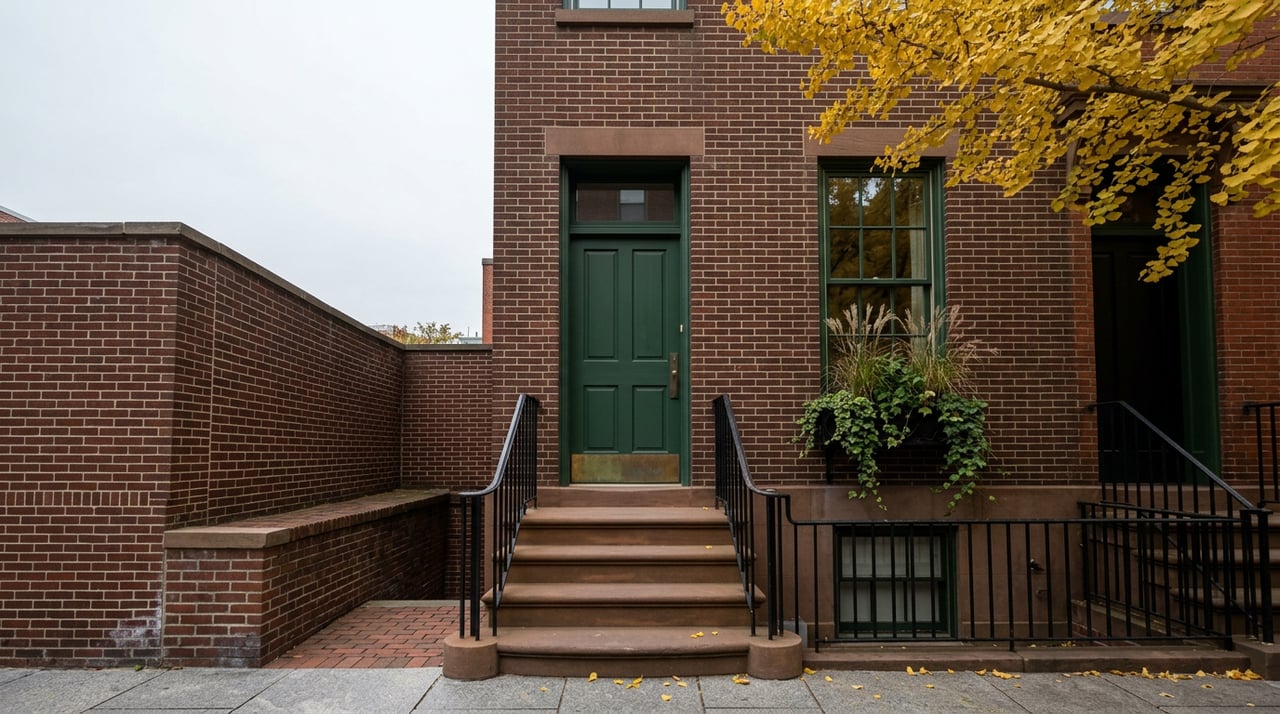
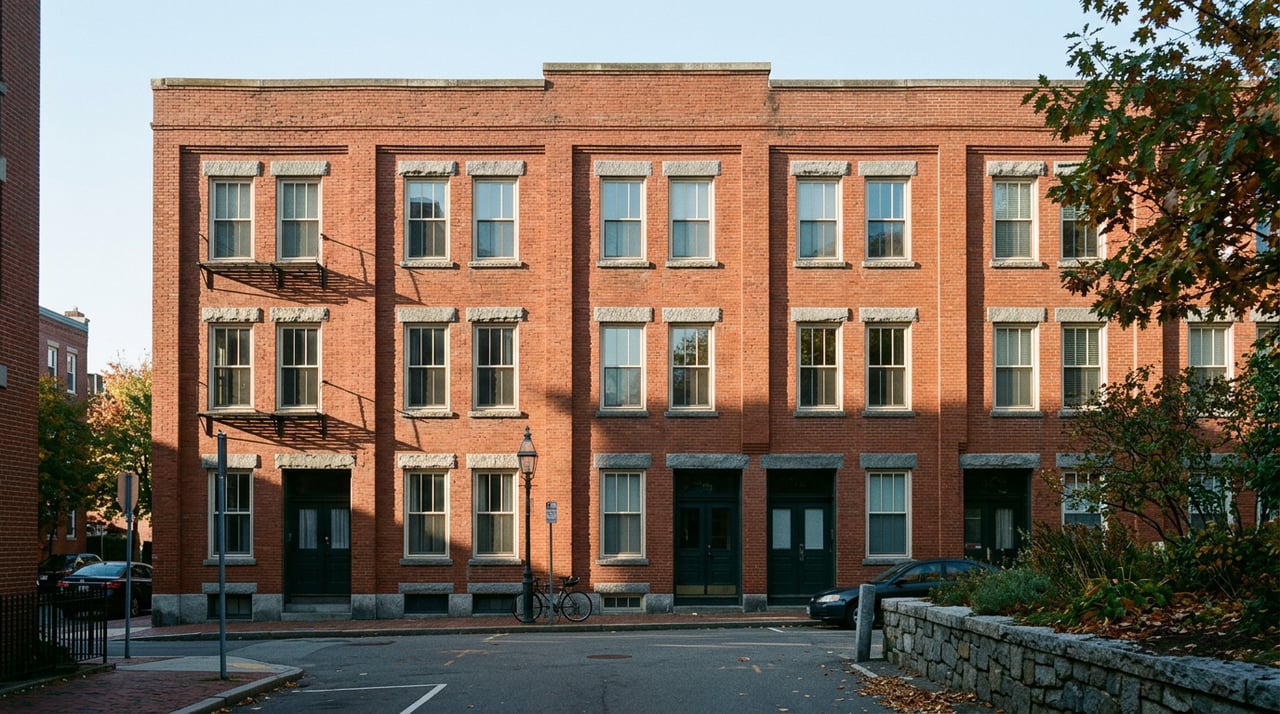
Most homes are multi-story Victorian brownstones and brick rowhouses, many converted into condos. You will also find brick walk-ups, low-rise condo buildings, and loft or newer-build units, especially around the SoWa area. The built environment is mixed-income, with historic homes alongside pockets of new development and loft conversions.
As of early 2026, market snapshots place the median sale price around the low to mid seven figures, roughly near $1.35 million, with many sales trading near or above $1,000 per square foot. One-bedroom condos commonly land in the mid to high six figures to low seven figures, two-bedroom units often push into seven figures, and full townhouses and larger multi-bedroom homes can sell well above $2 million. Parking, footprint, and renovation level drive meaningful price swings.
Renting in the South End
If you plan to rent, budget for a premium. As of February 2026, median rent hovers around $3,500 per month, with many one-bedrooms in the low $3,000s and two-bedrooms often $4,000 or more depending on building and amenities. Rents vary by finish level, outdoor space, and proximity to dining corridors.
Brownstones and ownership know-how
Buying in a historic brownstone or pre-war building requires focused due diligence. Much of the neighborhood sits on 19th-century fill, and many older buildings rest on timber pilings. If groundwater drops and exposes those pilings, decay can follow. Underpinning and other remediation methods exist, but they can be costly. For any older masonry building you tour, ask about piling history, groundwater monitoring, and prior structural work, and consider an early structural engineer inspection. The Boston Groundwater Trust explains the groundwater context and remedies.
Large parts of the neighborhood fall within historic district boundaries. Exterior changes and demolitions are reviewed against preservation standards, which can add time and cost to rehab projects. If you plan to alter windows, roofing, or masonry, expect to work with local preservation authorities and secure approvals where required. For background on the district framework, see the South End District.
Condo realities also matter. Many brownstones are divided into condominiums with shared systems and variable reserves. Review bylaws, financials, recent masonry or roof work, and any special assessments. For any pre-war building, ask about lead paint, older electrical like knob-and-tube, heating system conversions, and whether central air was added.
Quick due diligence checklist:
- Structure and moisture: foundation and piling history, any underpinning, recent waterproofing, and a structural engineer’s report if questions arise.
- Condo health: reserve fund level, upcoming projects, and status of roof, masonry, windows, and shared mechanicals.
- Systems and safety: lead paint, electrical updates, and HVAC or hot-water system upgrades.
- Historic scope: whether planned exterior changes will require approvals and extra permitting time.
Parks, squares, and dog life
The South End’s signature experience includes strolls through its many small garden squares and pocket parks. Families and dog owners use these spaces daily for morning walks and after-school play. Popular destinations include Blackstone Square and Franklin Square, plus the Southwest Corridor linear park for biking and jogging. For an overview of public open spaces and neighborhood highlights, start with the City of Boston’s South End page.
Warm months bring active patio scenes. Many neighborhood restaurants and cafés set up sidewalk and backyard seating, and some are known for well-loved patios. For seasonal ideas and where to book, check this roundup of outdoor dining in Boston. Always confirm current dog policies and off-leash rules on City parks resources before you go.
Dining, arts, and SoWa weekends
If you value a strong dining and arts scene, you will feel at home here. The Tremont corridor is packed with restaurants and bakeries, and longstanding spots like The Beehive add live music and late-evening energy. Browse upcoming shows and events at The Beehive if nightlife is part of your checklist.
The SoWa Art + Design District is a major lifestyle anchor. Centered around 450 Harrison Avenue, it features working artist studios, galleries, and recurring events like First Fridays and Sunday markets with artisan vendors and food trucks. It is a great way to sample the neighborhood’s creative side before or after a home tour. Get the overview on the SoWa Art + Design District.
Getting around and parking
You can commute car-light in the South End. The neighborhood sits near major MBTA stations like Back Bay and Ruggles and along the Orange and Silver Line corridors, which puts downtown, job hubs, and medical campuses within a short transit or bike ride. For a broad neighborhood overview, see the City of Boston’s South End page.
Owning a car is possible but think through your plan. On-site parking is scarce and can carry a premium. Many residents rely on the Resident Parking Permit program for street parking or pay for private garage options nearby. To understand eligibility and how to apply, review the City’s Resident Parking Permits page.
Safety and daily rhythm
Like most city neighborhoods, the South End has a mix of quiet residential blocks and lively commercial corridors that see more foot traffic at night. For general context and links to municipal resources, the South End, Boston page is a helpful starting point. If safety is a priority in your move, tour both daytime and evening to understand street activity near any home you are considering.
Is the South End a fit for you?
You might love living here if you want:
- Classic brownstone architecture with historic character.
- Walkable dining, cafés, galleries, and weekend markets.
- Pocket parks, garden squares, and an easy urban commute.
You should plan carefully if you need:
- Guaranteed on-site parking or a private driveway.
- A renovation path that includes major exterior changes, since approvals may add time and cost.
- Ultra-quiet evenings near restaurant corridors, since street life can run later on weekends.
Ready to explore homes?
If the South End is on your shortlist, local guidance on brownstone construction, condo reserves, and block-by-block nuances will save you time and risk. For a focused search and smart negotiation, connect with Boston Real Estate Pros. Schedule a consultation and get a plan tailored to your goals.
FAQs
What is the South End known for, as a place to live?
- It is a walkable, centrally located neighborhood with one of the country’s largest intact Victorian row-house districts and a strong dining and arts scene, including SoWa’s studios and markets.
How much do homes cost in Boston’s South End in 2026?
- Early 2026 snapshots place the median sale price around $1.35 million, with many sales near or above $1,000 per square foot; exact numbers vary by unit size, finish, and parking.
What should I know about buying a South End brownstone?
- Ask about timber pilings, groundwater management, and any underpinning or structural work, and expect historic district approvals for many exterior changes; a structural engineer review is wise.
Where can I experience the South End before I buy?
- Walk Tremont and Washington for dining, visit SoWa at 450 Harrison on First Friday or a Sunday market, and explore Blackstone and Franklin Squares to feel daily residential life. Learn more about SoWa events and browse the City neighborhood overview.
How is parking handled for South End residents?
- On-site parking is limited; many residents use the City’s Resident Parking Permit program for street parking or lease spaces in nearby garages. See Resident Parking Permits.
Is the South End good for families with kids?
- Many families choose it for its garden squares, playgrounds, and walkability; fit depends on your layout needs, school preferences, and comfort with urban nightlife near dining corridors.