You see “brownstone” in nearly every South End listing, but what does it actually mean for the building, your daily life, and what you can change after you buy? If you are new to Boston, the term can be confusing. You want clarity before you climb a lot of stairs or start planning a renovation. This guide breaks down what “brownstone” means in the South End, from architecture and layouts to elevators, approvals, and upkeep. Let’s dive in.
What “brownstone” means here
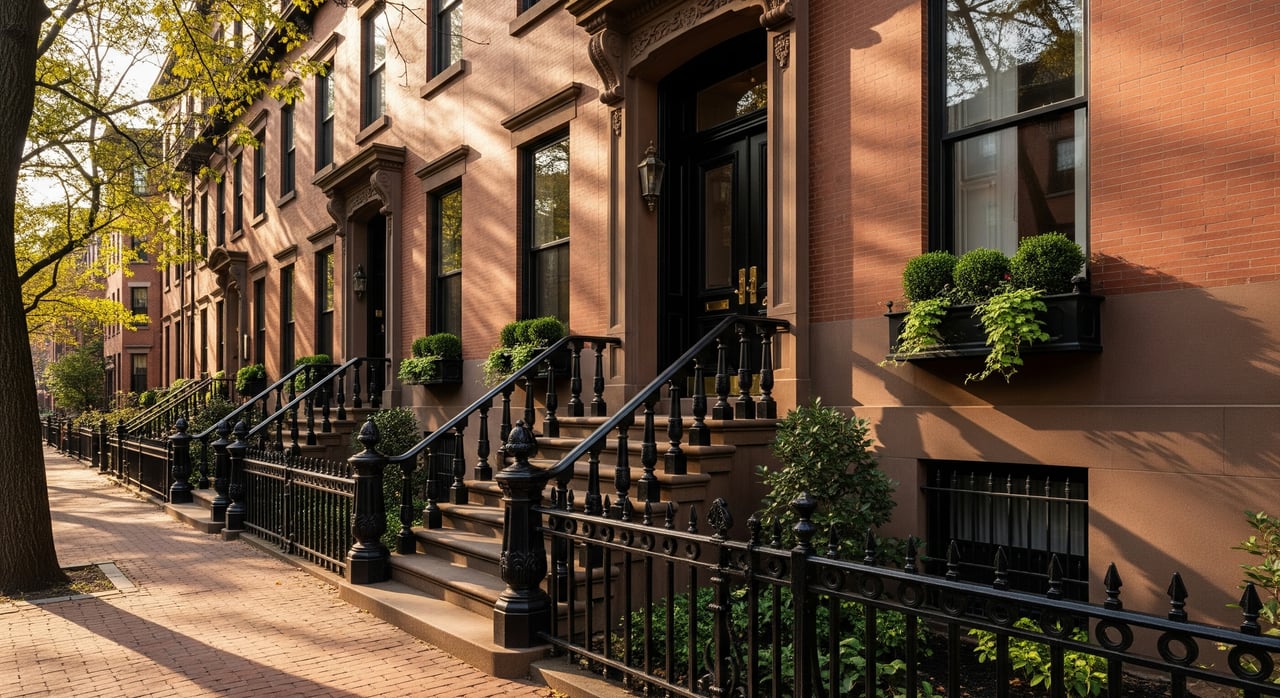
In the strict material sense, brownstone is a brown sandstone used on 19th-century façades. In everyday Boston real estate language, “brownstone” often means a South End rowhouse with classic features, whether the façade is true brownstone, brick, or painted masonry.
The South End was built in the mid to late 1800s as a planned rowhouse neighborhood around garden squares. Styles include Italianate and Second Empire, with bay windows, cornices, stoops, and decorative lintels. Many blocks fall within a local historic or landmark district, which means exterior changes visible from the street are reviewed by the Boston Landmarks Commission.
Typical exterior features
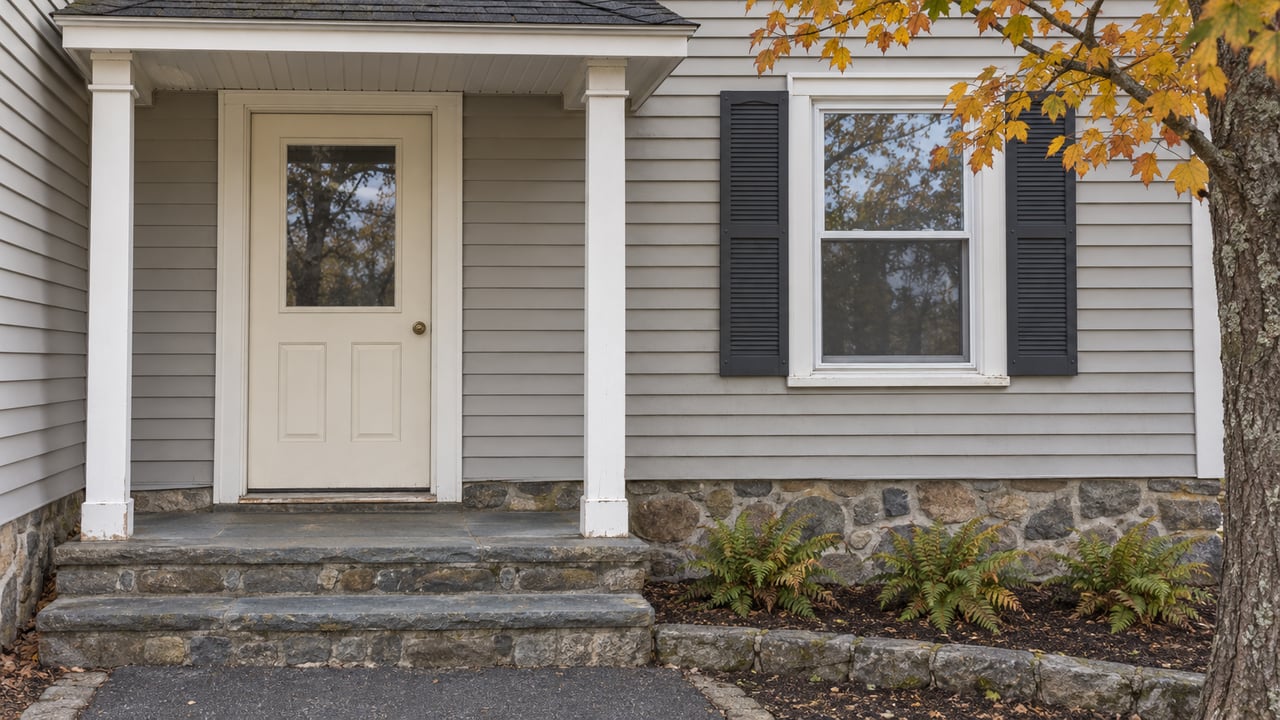
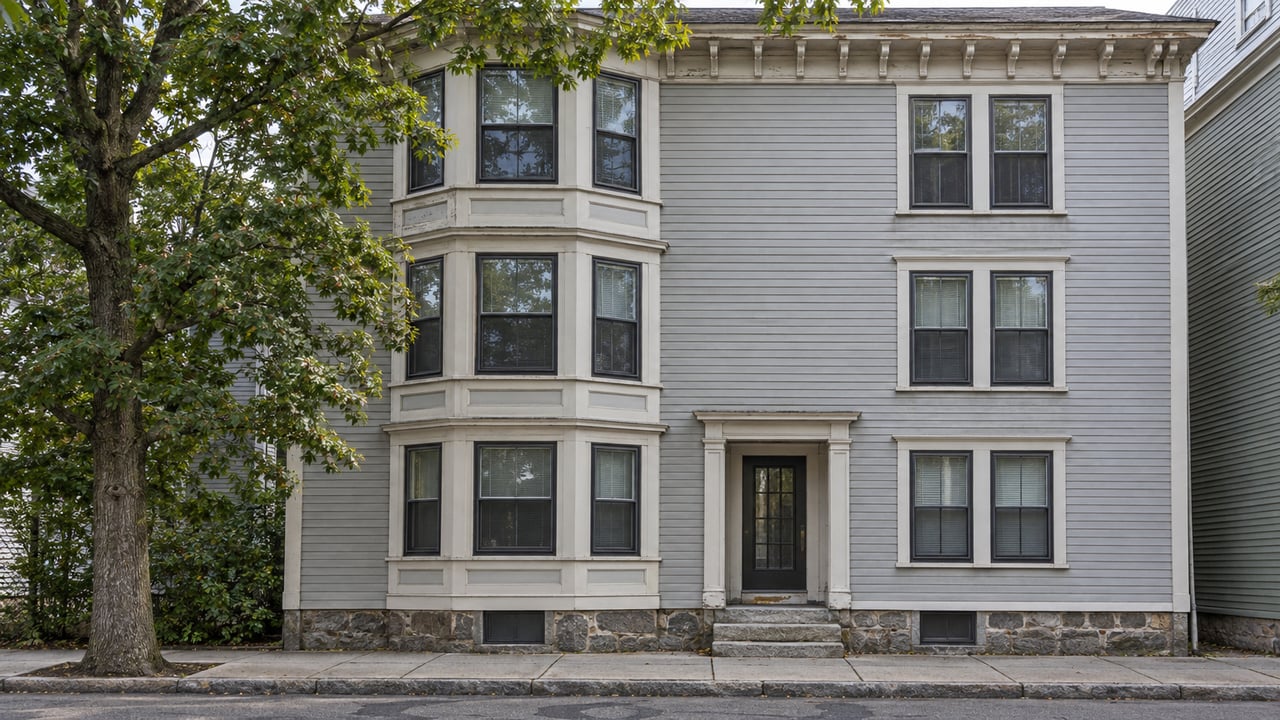
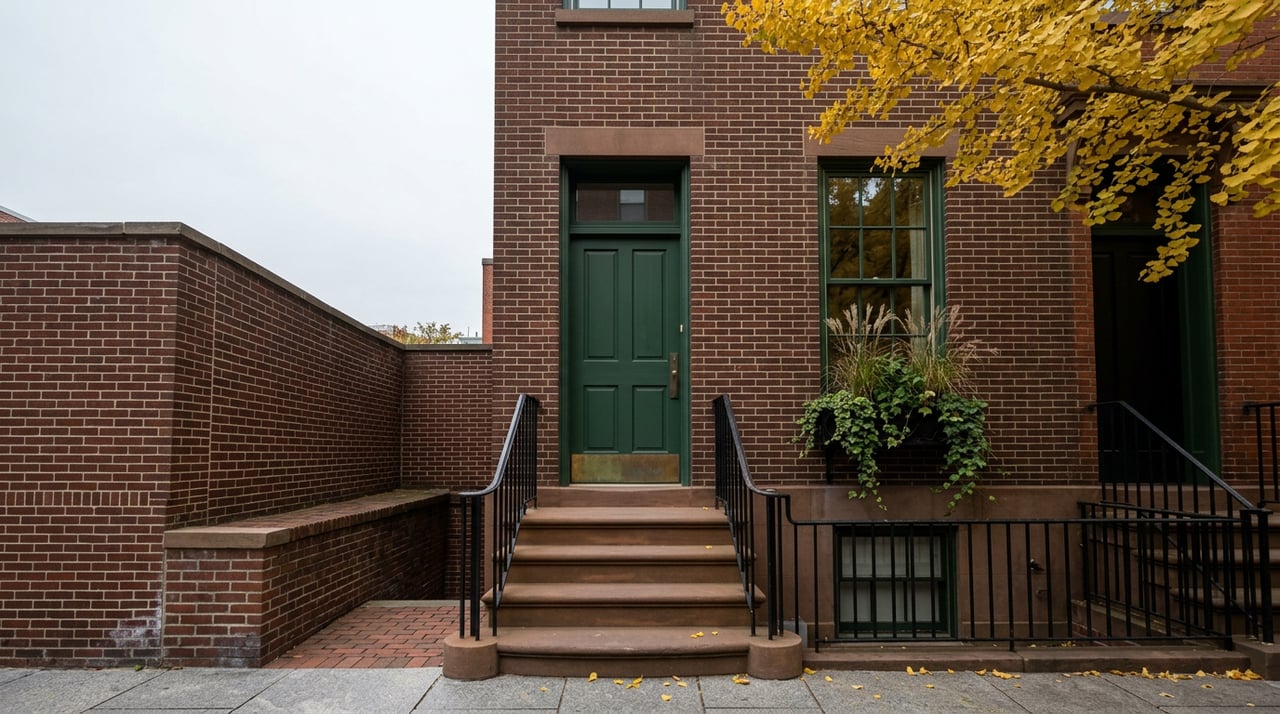
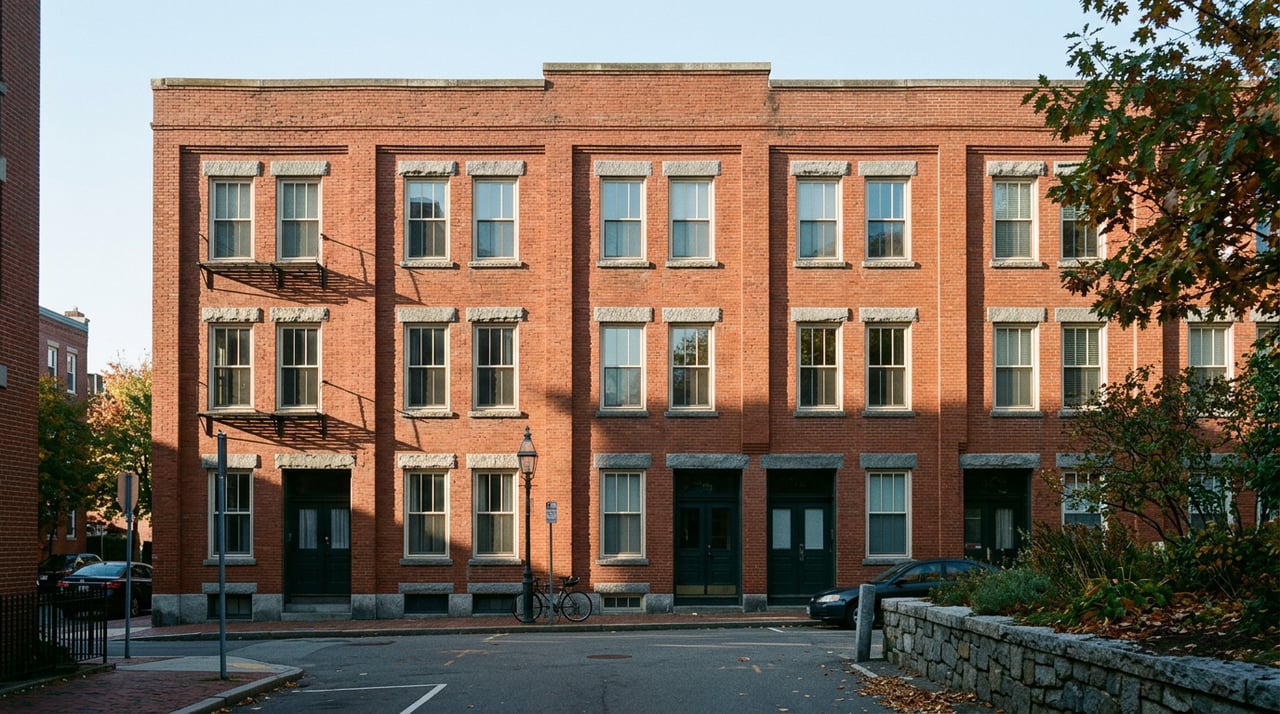
Most South End brownstones present a familiar rhythm on the street.
- Stoop entry to the parlor level, often with original iron railings.
- Masonry façades that may be true brownstone, brick, or painted brick with decorative lintels and cornices.
- Bay windows and tall, narrow window openings that bring in light.
- Garden level windows at or near sidewalk height that serve lower units.
Rowhouses commonly run 3 to 5 stories with flat roofs or mansards. Many were single-family when built and later converted to multi-family or condominiums.
Inside a South End brownstone
You will notice vertical living and period details. Parlor floors often have 9 to 12 foot ceilings, mouldings, fireplaces, and pocket doors. Original hardwoods are common, though many interiors have been renovated over time.
Kitchens in older conversions may sit at the garden level, with formal rooms above and bedrooms on upper floors. In many condos, popular layouts include a garden and parlor duplex or a parlor and upper duplex. Storage and mechanical space tend to be tighter than in suburban homes.
Ownership types and layouts
You will typically encounter a few setups in the South End.
- Condominium. Units are deeded under the Massachusetts Condominium Act, with a master deed and bylaws that define what is part of the unit versus common elements. You own your space and share responsibility for the building envelope and common areas based on the condo documents.
- Multi-family. One owner holds the entire building and may occupy one unit while renting others. Decisions are centralized with the owner but still must meet local codes and any historic rules that apply.
In 2 to 4 unit buildings, units often split by floor pairs. Many condo homes are vertical duplexes, which means internal stairs are part of daily life and should be factored into your plans for furniture, accessibility, and long-term living.
Stairs, elevators, and accessibility
Most South End brownstones are walk-ups without elevators. Stair cores were not designed for lifts, and many buildings are too narrow for a shaft without giving up meaningful floor area. Elevator installations tend to appear in larger buildings or modernized conversions where space and structure allow.
Adding an elevator is possible in select cases, but it is a significant project. Structural modifications, fire safety and egress requirements, and accessibility standards can be triggered. If the building sits in a landmark district, visible exterior or protected features may require review. Costs are substantial and timelines run months to a year when you include design, approvals, and construction.
If you need alternatives, consider a unit with the main bedroom on a lower level, or look for buildings with an existing elevator. Some owners explore stairlifts where permitted, but feasibility depends on width, power, and association rules.
Renovations and approvals
Plan for two review tracks before you change a South End brownstone.
- City permits. Structural, electrical, plumbing, mechanical, and most substantial interior work require permits through the City of Boston Inspectional Services. Larger additions or rooftop expansions that alter massing can trigger broader planning review. If exterior work is visible from a public way in a landmark district, you will need Landmarks Commission approval.
- Condo or HOA approvals. Condo documents govern what you can change inside your unit and what counts as common area. Many associations require written approval for windows, exterior doors, stoops, HVAC condensers, satellite dishes, façade painting, and any rooftop work.
Simple cosmetic updates may move quickly. Structural changes, façade work, or anything touching protected features takes more time. Build in extra lead time for Landmarks Commission review and inspections.
Association rules to expect
Older masonry buildings and historic streetscapes lead to thoughtful rules. Expect to see policies around:
- Exterior alterations. Window replacements, paint colors, door changes, and any visible work usually require association approval, and in some cases historic review.
- HVAC and A/C. Window units can be restricted. Through-wall and mini-split installations often require approval to protect the envelope and appearance.
- Roof decks and rooftop mechanicals. These are tightly controlled due to structural, waterproofing, and fire safety concerns, and may require historic review.
- Rentals and pets. Many associations spell out terms for short-term rentals, subletting, and pets. Always confirm rules in the bylaws.
- Reserves and assessments. Façade and roof work are cyclical costs. Healthy reserves help cover repointing, stone repair, and cornice maintenance.
Maintenance realities
Owning a brownstone means embracing historic materials and the upkeep that comes with them.
- Masonry and stone. Brownstone and older brick need periodic repointing and patching to keep water out. Cornices and wood trim need paint and repair. Ironwork benefits from rust control and repainting.
- Water management. Garden-level spaces can face moisture and drainage challenges. Proper grading, gutters, downspouts, and interior drainage solutions are common projects.
- Mechanical systems. Central HVAC retrofits in historic shells can be complex. Electrical and plumbing upgrades are common and may require creative routing in tight chases.
- Specialist contractors. Preservation-grade masonry, historic windows, and cornice repairs often require experienced trades, which can carry premium pricing.
Health and safety checks
For buildings built before 1978, assume lead paint may be present. The EPA Renovation, Repair and Painting Rule requires certified contractors when disturbing painted surfaces. Older materials can also include asbestos in insulation or adhesives. Testing and, if needed, certified abatement should be part of your plan when renovating.
If you are buying a garden-level unit, confirm legal occupancy, including egress and ceiling height. In multi-family settings, ensure fire safety and alarm systems meet current standards, especially if significant renovations or conversions occurred.
Buyer due diligence checklist
Use this list to verify key items during your offer and inspection period.
- Master deed, bylaws, budget, reserve study, and recent association meeting minutes
- Permit history for major work, including façade, roof, structural, plumbing, and electrical
- Recent masonry or façade reports, plus timing and scope of repointing or stone repairs
- Ages and condition of HVAC, boiler, electrical service, and water heater
- Landmark District status and any past approvals or denials for exterior changes
- Lead and asbestos disclosures, and confirmation of EPA RRP certified contractors for past work
- Evidence of legal occupancy for garden-level units, and compliance of smoke, CO, and fire alarms
Bottom line
In the South End, “brownstone” is as much a way of living as it is a building type. Expect historic character, vertical layouts, and walk-up convenience, paired with thoughtful rules that protect the neighborhood’s fabric. With clear due diligence and realistic expectations about renovations and maintenance, you can enjoy the best of South End brownstone life.
If you want a seasoned local advisor to help you navigate brownstones, condo documents, and historic approvals, connect with Boston Real Estate Pros. Schedule a consultation and get a plan tailored to your goals.
FAQs
What does “brownstone” mean in Boston’s South End?
- In local usage it often means a 19th-century rowhouse with a masonry façade and stoop, even if the façade is brick rather than true brownstone sandstone.
Are most South End brownstones walk-ups without elevators?
- Yes. Historic stair cores rarely accommodate elevators, and additions are complex, costly, and subject to permits and, in many cases, historic review.
Who pays for façade repairs in a brownstone condo?
- It depends on the master deed and bylaws. Many associations maintain the exterior envelope, but responsibilities vary, so always verify in the documents.
Can I add central air to a South End brownstone unit?
- Often yes, but it can be complex. Expect condo approvals, permits, and potential historic review for any exterior condensers or visible alterations.
How long do exterior approvals usually take in the South End?
- Basic permits can take weeks. If you need Landmarks Commission review or structural approvals, plan for additional time that may extend to months.
What should I check before buying a garden-level unit?
- Confirm legal occupancy, including egress and ceiling height, review moisture mitigation, and verify permits for any past conversions or basement work.